
Container Gardens
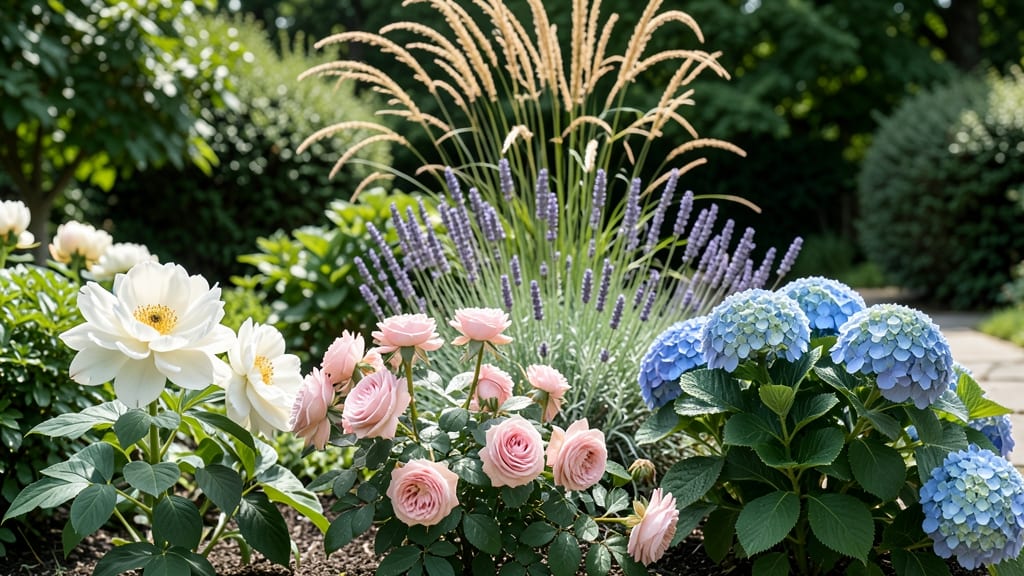
Nearby botanical gardens provide stunning green spaces filled with vibrant seasonal displays, interactive learning exhibits, and carefully curated plant collections for all ages. Many feature free admission days, expert-led tours, and themed experiences from butterfly exhibits to festive holiday light displays.
These green escapes are more than just pretty landscapes—they're living classrooms where you can learn about plant biology, conservation efforts, and sustainable gardening practices. 🌿 Many gardens also host special workshops where you can get hands-on experience with propagation techniques or native plant identification.
The best part? You can often find hidden gems like quiet meditation gardens or rare cactus collections tucked away from the main paths.
Most gardens offer seasonal highlights that change with the weather, from spring bulb festivals to autumn foliage tours. Planning your visit around these events ensures you see the most spectacular displays while avoiding peak crowds.
I always recommend checking their websites for early-bird discounts or volunteer opportunities that can make your visit even more rewarding.
💡 In This Article
- How to Discover Hidden Botanical Garden Features
- Planning Your Visit: Events, Entry Fees, and Best Times
How to discover hidden botanical garden features
Botanical gardens are meticulously designed ecosystems where geography and climate dictate plant placement. Most gardens use a technique called terrain mapping, where slopes, water sources, and sunlight exposure determine which species thrive in specific zones.
For example, you'll often find moisture-loving ferns near streams while drought-resistant succulents occupy sun-drenched hillsides. This strategic layout isn't just for aesthetics—it mirrors natural habitats, creating microclimates that can be 10-15°F cooler in shaded areas compared to sunbaked sections.
The real magic happens in the curated collections most visitors overlook. Beyond the famous rose gardens, look for the medicinal herb displays where plants like echinacea and lavender are labeled with their historical uses.
Or seek out the succulent deserts that showcase species adapted to less than 1 inch of rainfall per year—some gardens even have touchable displays where you can feel the waxy leaves that prevent water loss.
These collections often include rare varieties like the livingstone daisy (Argyroderma) that stores water in its leaves like a tiny water tank.
Seasonal highlights reveal the garden's hidden layers. In spring, peek behind the bulb tunnels where thousands of tulips and daffodils create a floral canopy. During summer, time your visit for night-blooming events like the moonflower (Ipomoea alba) that opens only after sunset.
Autumn brings the foliage trails where maples and oaks display their fiery colors—some gardens even have scent trails where you can follow aromatic plants like lemon verbena or mint. These seasonal rotations ensure you discover something new each visit.
Pro tip: Ask about the conservatory collections where tropical plants thrive in controlled environments. These glasshouses often contain orchid collections with 20,000+ species—some with flowers the size of saucers!
Many gardens also have seed banks where rare varieties are preserved, and some offer behind-the-scenes tours where you can see how they maintain these delicate ecosystems. The arboretum sections (tree collections) are another hidden gem, with specimens that can be 200+ years old and labeled with their exact planting dates.
Don't forget to explore the sensory gardens designed for all abilities. These often include textured plants like lamb's ear (Stachys byzantina) with fuzzy leaves or fragrant roses carefully arranged for optimal scent release.
Some gardens even have edible landscapes where you can sample heirloom tomatoes or taste native fruits like pawpaws. These thoughtful designs make every visit accessible and engaging, regardless of your mobility or sensory preferences.
The most rewarding discoveries come from talking to the staff. Gardeners often share insider tips about the best times to see rare blooms or which paths offer the most shade during summer afternoons.
Many gardens have volunteer docents who can point out invasive species being studied or native plants used in conservation programs. This personal connection transforms a simple visit into an educational experience you'll remember for years.