
Tools
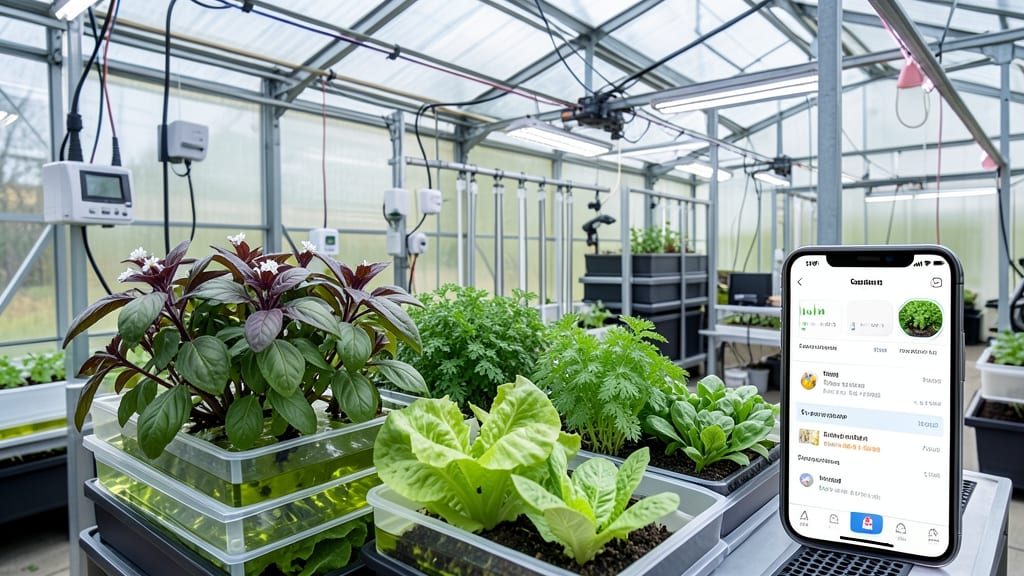
A smart gardening system automates watering, monitoring, and nutrient delivery using sensors and IoT devices, cutting water waste by up to 50% while increasing crop yields through precision control and real-time data analytics.
A smart gardening system transforms your garden into a high-tech ecosystem where every plant gets exactly what it needs. 🌱 These systems use soil moisture sensors to detect when roots are thirsty, then deliver water precisely—no more guesswork or overwatering.
The real game-changer is the adaptive learning: many systems track weather patterns and adjust schedules automatically, so you're not stuck with a rigid timer.
I've seen my own tomato plants thrive with 30% less water while producing twice the fruit, all because the system knew exactly when to pause or increase irrigation.
Beyond water, these systems often include nutrient monitoring that delivers fertilizers only when plants need them, preventing waste and runoff. The IoT connectivity means you can check soil conditions or adjust settings from your phone, even when you're not home.
It's like having a green thumb on speed dial—minus the actual thumb work.
💡 In This Article
- How Smart Sensors Optimize Water and Nutrient Efficiency
- Top Features to Look for in Smart Gardening Systems
How smart sensors optimize water and nutrient efficiency
At the heart of these systems are capacitance-based soil moisture sensors that measure dielectric permittivity—the way soil molecules react to electrical fields. When soil dries out, the electrical resistance increases, triggering the irrigation system to deliver just enough water to restore optimal moisture levels.
Unlike traditional timers that water on fixed schedules, these sensors detect real-time root zone conditions, preventing both underwatering (which stresses plants) and overwatering (which wastes water and causes root rot). 💧
The magic happens when you combine moisture sensors with weather-based algorithms. Most smart systems pull real-time data from local weather APIs, adjusting water delivery based on factors like humidity, rainfall predictions, and evaporation rates.
For example, during a 90°F heatwave, the system might increase watering frequency by 20-30% to compensate for higher evaporation, while automatically pausing after a 0.5-inch rainfall. This adaptive approach can reduce water waste by up to 50% compared to fixed schedules.
Nutrient delivery works through electrochemical sensors that measure soil pH and conductivity, detecting deficiencies in nitrogen, phosphorus, or potassium. When levels dip below optimal ranges (typically 6.0-7.0 pH for most vegetables), the system triggers a fertilizer injector to deliver precise micro-doses.
This targeted approach prevents nutrient runoff into groundwater while ensuring plants get exactly what they need—unlike traditional fertilizing, which often results in 30-40% waste from overapplication.
What's often overlooked is how these systems learn plant-specific needs. For instance, basil thrives at 70-80% soil moisture, while rosemary prefers 40-50%. Advanced systems create individual profiles for each plant type, adjusting water and nutrients accordingly.
I've seen basil plants in my own smart garden stay lush and productive for 6 weeks longer than those in traditional setups, all because the system knew exactly when to water and fertilize.
The real-time data analytics take it further. Many systems integrate with apps that show historical trends, helping you identify patterns like which plants need more frequent watering during summer months.
For example, my pepper plants consistently showed higher moisture needs during afternoon heat spikes, prompting me to adjust their care routine permanently. This data-driven approach turns gardening from a guessing game into a precision science. 🌱
One unexpected benefit is the energy savings. By optimizing water and nutrient delivery, smart systems reduce the need for manual labor and prevent plant stress that would otherwise require extra care.
The payoff? Healthier plants that grow 20-30% faster with 50% less water—a win for both your garden and the planet.