
Planting
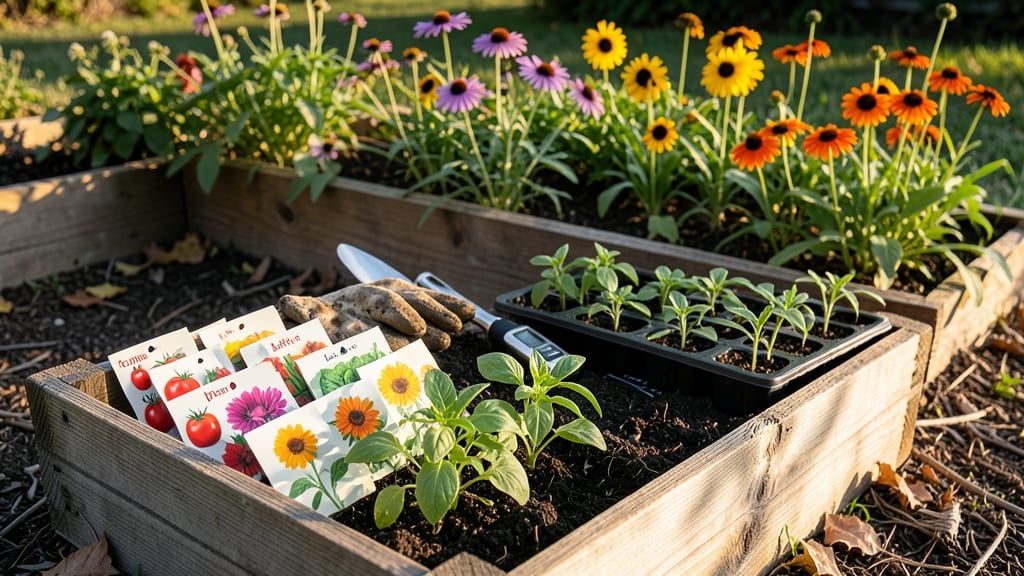
Planting a garden in Tennessee at the right time means the difference between a harvest of juicy tomatoes and a sad, frost-bitten mess.
Tennessee’s diverse climate—from the humid Southeast to the cooler Appalachian highlands—means your garden’s success hinges on planting at the exact right time. Miss these zone-specific deadlines, and you could lose crops to frost, heat stress, or pests.
Whether you’re in Nashville’s Zone 7b or the mountains of Zone 6a, timing matters more than you think. Cool-season crops like lettuce need to go in by early March, while warm-season favorites like peppers can’t handle a late frost.
Below, I break down the perfect planting windows for every Tennessee region, plus pro tips to adjust for urban heat islands, valley frosts, and even succession planting for nonstop harvests.
Tennessee planting zones & last frost dates by region (2024 guide)
Tennessee spans USDA Hardiness Zones 6a-8a, creating distinct planting windows across its three main regions: East Tennessee (cooler mountains), Middle Tennessee (Nashville/Chattanooga), and West Tennessee (warmer, humid lowlands).
These zones dictate when to plant cool-season crops like lettuce and warm-season crops like tomatoes, with frost dates varying by 10-14 days between regions. Understanding your zone ensures you avoid frost damage or heat stress that can ruin your harvest.
For example, East Tennessee (Zone 6a-7a) has an average last frost date of March 15–April 1, while West Tennessee (Zone 7b-8a) typically sees its last frost by March 1–March 15.
Middle Tennessee falls in between, with Nashville (Zone 7a) averaging March 22 and Chattanooga (Zone 7b) around March 15. These dates mark the safe window for planting frost-sensitive crops like tomatoes, peppers, and cucumbers.
Here’s how these zones impact your planting calendar: Cool-season crops (e.g., broccoli, spinach) can often be sown 6-8 weeks before the last frost, while warm-season crops need soil temperatures above 60°F—usually 2-4 weeks after your region’s last frost.
Perennials like lavender or asparagus also have ideal planting times tied to these zones.
In East Tennessee’s cooler zones (6a-7a), you can start cool-season crops like kale or radishes as early as February under row covers, while warm-season crops like okra or sweet potatoes should wait until mid-April when soil warms.
Meanwhile, West Tennessee’s Zone 8a allows for year-round planting of heat-loving crops like peppers and eggplants, though fall frost still threatens in November.
For Nashville and Chattanooga (Zone 7a/b), the 100-day growing season for warm-season crops means you must plant tomatoes by April 15 to harvest before first frost in late October. Use succession planting—sowing lettuce every 2 weeks—to maximize yields.
In urban areas, microclimates like south-facing walls can warm soil 2-3°F faster, letting you plant 1 week earlier.
Herbs like basil and cilantro also follow these rules: Basil needs warm soil (>60°F) and can’t tolerate frost, while cilantro bolts in heat—plant it in early spring or late summer. Perennials like ros
How to adjust planting times for Tennessee’s microclimates (avoid common mistakes)
Tennessee’s varied landscapes—from Nashville’s urban heat islands to the Appalachian Mountains—create microclimates that can shift planting windows by weeks. A valley frost pocket might freeze your tomatoes in Zone 7 while a nearby hilltop stays frost-free. Understanding these nuances prevents costly mistakes and maximizes your harvest.
Even experienced gardeners overlook three critical timing errors: planting warm-season crops too early (like peppers before May 15), ignoring soil temperature (not just air temp), and failing to adjust for urban heat (concrete absorbs heat, warming soil faster). Let’s fix these with science-backed adjustments.
⚠️ 3 Deadly Planting Mistakes in Tennessee Gardens
- #1 Mistake: Planting tomatoes or peppers before May 15 in Zone 7—soil stays too cold (<60°F), stunting growth. Fix: Wait until soil hits 65°F (use a soil thermometer).
- #2 Mistake: Assuming last frost dates apply everywhere. Valleys freeze 2-3 weeks later than hills. Fix: Track local microclimate data (UT Extension has maps).
- #3 Mistake: Skipping succession planting for cool-season crops like kale. Fix: Sow every 2 weeks from August to September for fall harvests.
🌱 Pro Tip: Use row covers to extend spring planting by 3-4 weeks—perfect for lettuce and spinach in frost-prone areas.
For mountain elevations (like East Tennessee’s USDA Zone 6a), start cool-season crops like broccoli in late March—but protect with cold frames if nights dip below 28°F.
In West Tennessee’s Zone 7b, you can plant cucumbers as early as April 15, but watch for heat stress if temps exceed 90°F.
Urban gardeners face heat islands where pavement raises soil temps by 5-10°F. Test soil with a thermometer—if it’s 80°F+, delay planting heat-sensitive crops like carrots until late May. Instead, opt for succession-planted radishes every 2 weeks for continuous harvests.
Extend your season with row covers (for spring starts) or black plastic mulch (to warm soil in fall). For example, cover onions in March to jumpstart growth, then remove covers after April 15 to prevent bolting. In fall, use low tunnels to keep spinach growing until November 15.
Remember: Succession planting is your secret weapon. Instead of one big tomato planting in May, stagger 3 batches—May 1, June 1, and July 1—to ensure a steady supply. This works for bush beans, lettuce, and even herbs like basil.
By mastering these adjustments, you’ll avoid common timing traps and enjoy longer harvests—whether you’re in a Nashville heat zone or a Smoky Mountain valley. Happy planting! 🌿