
Planting
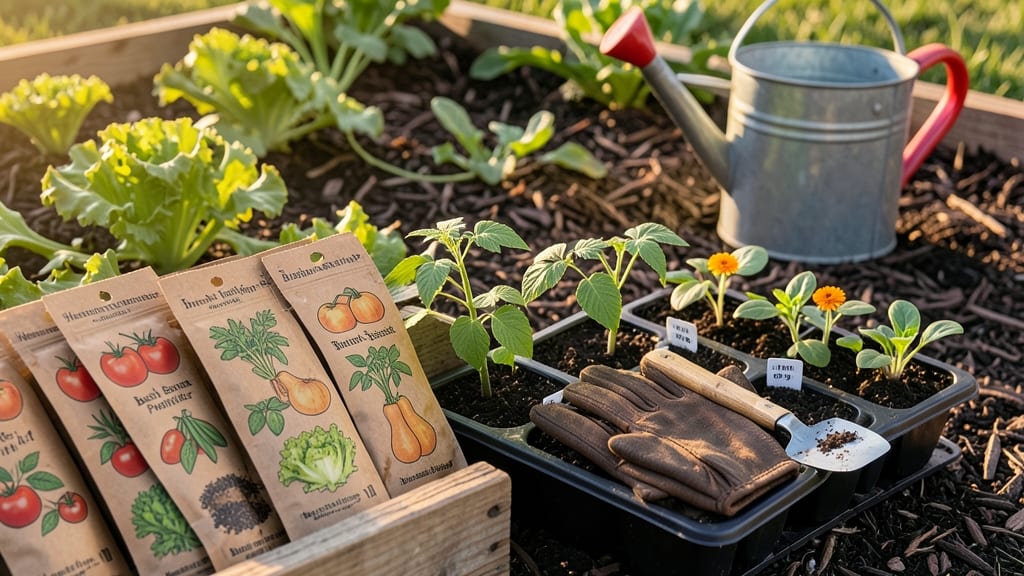
Planting your garden in Missouri at the right time means the difference between bountiful harvests and wasted effort.
Missouri gardeners know timing is everything—plant too early and risk frost damage, too late and miss peak harvests. With Zone 5 and 6 deadlines shifting yearly, mastering these planting windows ensures your tomatoes, peppers, and herbs thrive when they should.
Cool-season crops like spinach and peas need to go in the ground 4-6 weeks before your last frost, while warm-season favorites like tomatoes and cucumbers wait until after March 15 (or later in colder microclimates).
Below, I break down the exact planting schedule for Missouri’s most popular crops, plus tips to adjust for unpredictable weather and regional differences—so you can grow like a pro no matter where you are in the state.
Missouri planting deadlines by Zone 5 & 6: month-by-month schedule
Missouri's Zone 5b and 6a regions offer distinct planting windows that separate cool-season crops from warm-season varieties. The average last frost date for St. Louis (Zone 6a) is around April 15, while Kansas City (Zone 5b) typically sees its last frost April 22.
These dates shift yearly, so always check local forecasts before planting.
Cool-season crops like lettuce, spinach, and peas thrive when planted 4-6 weeks before your area's last frost date. Warm-season plants such as tomatoes, peppers, and cucumbers need to wait until after the last frost when soil temperatures reach at least 60°F—usually mid-May for most of Missouri.
Here’s a quick reference for Missouri’s month-by-month planting schedule, adjusted for both zones to help you plan your garden with confidence.
| Month | Cool-Season Crops (Zone 5b/6a) | Warm-Season Crops (Zone 5b/6a) | Soil Temp Threshold (°F) | Notes |
|---|---|---|---|---|
| February | Peas, Spinach, Lettuce (start indoors) | None | 40-50°F | Use row covers for frost protection |
| March | Carrots, Onions, Kale, Radishes | None | 35-45°F | Direct sow after soil thaws |
| April | Broccoli, Cabbage, Beets, Potatoes | Peppers, Eggplants (start indoors) | 50-60°F | Wait for last frost warning |
| May | Late lettuce, Swiss chard, peas | Tomatoes, Cucumbers, Corn, Beans | 60-70°F | Plant after soil warms to 60°F |
| June | None (too hot) | Sweet Potatoes, Okra, Southern Peas | 70-80°F | Best for heat-loving varieties |
| August | Kale, Spinach, Radishes (fall planting) | None | 50-60°F | Direct sow for fall harvest |
| September | Broccoli, Cabbage, Carrots | None | 40-50°F | Plant 6-8 weeks before first frost |
Missouri’s microclimates mean St. Louis gardeners can push planting dates slightly earlier than those in Kansas City. For example, St. Louis (Zone 6a) often sees its last frost by April 10, while Kansas City (Zone 5b) may not be frost-free until April 25.
Adjust your schedule by checking local Missouri Botanical Garden or University of Missouri Extension resources for real-time updates.
For warm-season crops, wait until the soil temperature consistently stays above 60°F—usually mid-May. Use a soil thermometer to confirm, as cool soil can stunt young seedlings. If you’re planting tomatoes or peppers, consider starting them indoors in March for a head start.
Fall planting in Missouri begins in August for cool-season crops like spinach and kale. These plants thrive in cooler temperatures and can even survive light frosts. Aim to plant 6-8 weeks before your area’s first frost date, which typically falls between October 15 and November 1.
Missouri’s unpredictable spring weather means you may encounter late frosts even after the average last frost date. To protect your garden, use row covers or cold frames for early plantings. For warm-season crops, opt for heat-tolerant varieties like ‘Celebrity’ tomatoes or ‘Jalapeño’ peppers to handle Missouri’s occasional heatwaves.
Always monitor your local 7-day forecast and adjust planting times accordingly. For example, if a late frost is predicted in May, delay planting tomatoes or cucumbers until the threat passes. Patience and preparation are key to a successful Missouri garden.
🌱
How to adjust planting times for Missouri’s unpredictable weather patterns
Missouri’s weather can throw off even the most experienced gardeners—one year brings early springs, while another delivers late frosts that catch us off guard. I’ve learned to adapt by using season-extending tools and heat-tolerant varieties to protect my tomatoes, peppers, and herbs from Mother Nature’s surprises.
The key is flexibility, not rigid deadlines.
Start by monitoring your 7-day forecast religiously, especially in April and May, when late frosts are most likely. I check the National Weather Service and Missouri Climate Center for localized alerts.
A soil thermometer ($15 at garden centers) is my secret weapon—it tells me when the ground is truly warm enough for warm-season crops like squash or cucumbers.
For cool-season crops like spinach or kale, I use row covers (floating fabric tunnels) to shield seedlings from 28°F frosts. These covers add 4-6°F protection and can extend your planting window by 2-3 weeks. Just remove them during the day to prevent overheating.
⚠️ callout warning
🌡️ Missouri’s Frost Risk Zones
Northern MO (Zone 5b): Last frost April 15-May 1; first frost Oct 15-30. Southern MO (Zone 6a): Last frost March 15-April 15; first frost Nov 1-15.
⚠️ Pro Tip: Plant heat-loving crops like okra or sweet potatoes only after soil hits 70°F—waiting a week longer than the average last frost date prevents stunted growth.
Cold frames are another game-changer for fall plantings. I use them to start broccoli or cauliflower in late August—they trap heat during the day and insulate at night.
A simple DIY cold frame (wooden box with plexiglass) costs under $50 and can add 2-4 weeks to your growing season.
When late frosts strike, I prioritize fast-maturing varieties like bush beans (50 days) or radishes (25 days). These thrive in warmer soils and tolerate brief chills. For tomatoes, I opt for heat-set varieties like ‘Celebrity’ or ‘Mountain Merit’—they handle Missouri’s 90°F+ summers without sunscald.
Finally, rotate crops yearly to break disease cycles. I keep detailed notes on which tomatoes or peppers struggled in past years and swap their spots with beans or squash. This simple habit reduces pests and improves soil health, making future plantings more resilient to weather whims.
With these strategies, I’ve turned Missouri’s unpredictable weather into an advantage. My garden thrives even when the forecast calls for snow in May—or a heatwave in September!