
Tools
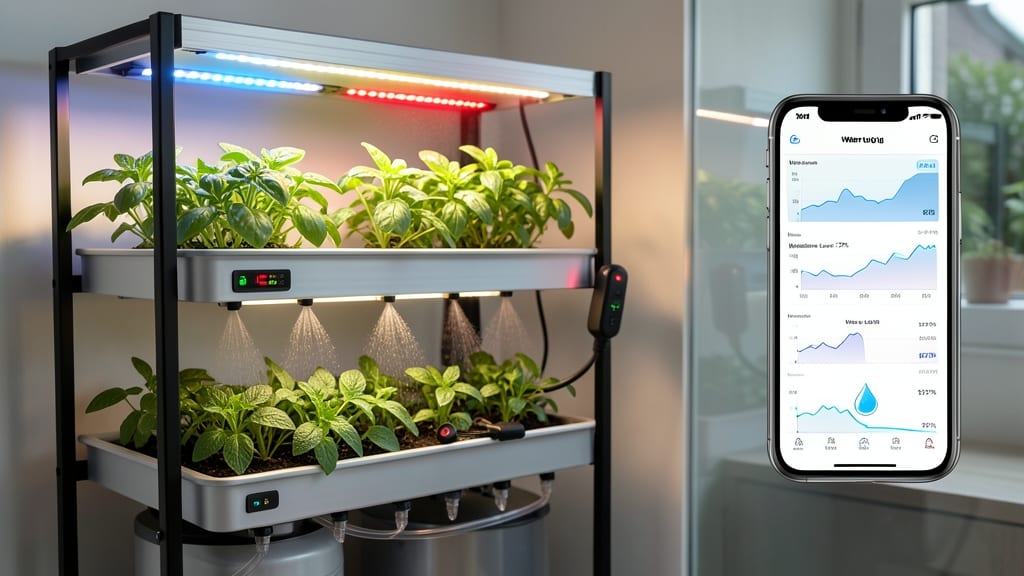
Smart garden news reveals how automated plant care systems are revolutionizing gardening through IoT sensors, AI diagnostics, and smart irrigation to boost efficiency and sustainability for both home gardeners and large-scale farmers.
The latest advancements in smart gardening are making plant care more precise than ever. 🌱 These systems don't just automate watering—they analyze soil conditions, monitor plant health in real-time, and adjust care routines based on data.
For example, some setups can detect nutrient deficiencies or pest threats before they become visible, saving time and resources.
What's particularly exciting is how these technologies adapt to different environments. Urban gardeners with limited space can now grow thriving plants using compact smart planters, while commercial farms leverage large-scale automation to maximize yields.
The best part? Many systems integrate with popular smart home platforms, making them easy to manage alongside other connected devices.
💡 In This Article
- How IoT and AI Transform Smart Gardening Systems
- Top Smart Garden Tools for Home and Commercial Use
How IoT and AI transform smart gardening systems
At the heart of modern smart gardening systems are IoT (Internet of Things) sensors that continuously monitor environmental conditions with remarkable precision.
These tiny devices—often smaller than a coin—measure soil moisture levels (using capacitive sensors that detect water content without physical contact), light intensity (via photodiodes that mimic plant photosynthesis needs), and humidity/temperature (through hygrometers and thermistors).
For instance, a single ESP32 microcontroller can collect data from up to 10 sensors simultaneously, sending updates every 30 seconds to a central hub.
This real-time data eliminates guesswork about when to water or adjust lighting, which is especially critical for delicate plants like basil or strawberries that wilt within 2 hours of overwatering. 🌱
The magic happens when this data feeds into AI-powered diagnostic algorithms that analyze patterns most humans would miss.
Take plant health monitoring: AI systems cross-reference sensor data with a database of thousands of plant species to identify early signs of stress—like a sudden drop in chlorophyll levels detected through spectral sensors (which measure light absorption patterns).
For example, a smart system might flag a tomato plant's leaves turning yellow 5 days before visible spots appear, allowing gardeners to adjust nitrogen levels before the plant suffers.
Some advanced systems even use computer vision (like the Plantix app) to analyze leaf images for diseases with 90% accuracy, outperforming traditional diagnostic methods. The AI doesn't just react to problems—it learns from each plant's unique needs over time, creating a personalized care profile. ✨
Cloud connectivity transforms these local sensors into a global gardening network. When your smart pot detects dry soil, it doesn't just trigger an automatic watering cycle—it syncs with weather forecasts to predict rainfall in the next 24 hours and adjusts accordingly.
Commercial farms use this to manage thousands of plants simultaneously, reducing water waste by up to 40% compared to traditional methods.
For home gardeners, this means your AeroGarden can sync with your phone to show you exactly when to harvest your herbs based on real-time growth data, rather than relying on vague "ready in 6-8 weeks" labels.
The cloud also enables remote monitoring, so you can check on your garden while traveling or receive alerts if your basil suddenly needs more light. 💫
What makes these systems truly revolutionary is their ability to self-optimize. Take precision irrigation as an example: Most smart systems use pulse-width modulation (PWM) to control water flow with millisecond accuracy.
Instead of dumping 1 cup of water every morning (which often leads to runoff), they deliver 10-15ml every 2 hours based on real-time soil data. This isn't just about saving water—it's about mimicking natural rainfall patterns that plants evolved to thrive in.
Some high-end systems even adjust for root zone temperature, since cooler roots (below 65°F) absorb water more efficiently than warmer ones. This level of control was impossible just a decade ago, when gardeners had to rely on thumb-in-the-soil tests or weekly watering schedules. ⚡
For those curious about the hardware, most smart garden systems combine off-the-shelf components with custom firmware. A typical setup includes:
The most exciting development? These systems are becoming
The result is a system that's not just smart, but adaptive—continuously learning and improving based on real-world conditions. 🔥
The barrier to entry is dropping faster than you'd expect, making smart gardening accessible to everyone—from urban apartment dwellers growing microgreens to small-scale farmers optimizing their crops. The future isn't just about growing plants; it's about growing them smarter, faster, and with less waste than ever before. 🌟