
Shrubs
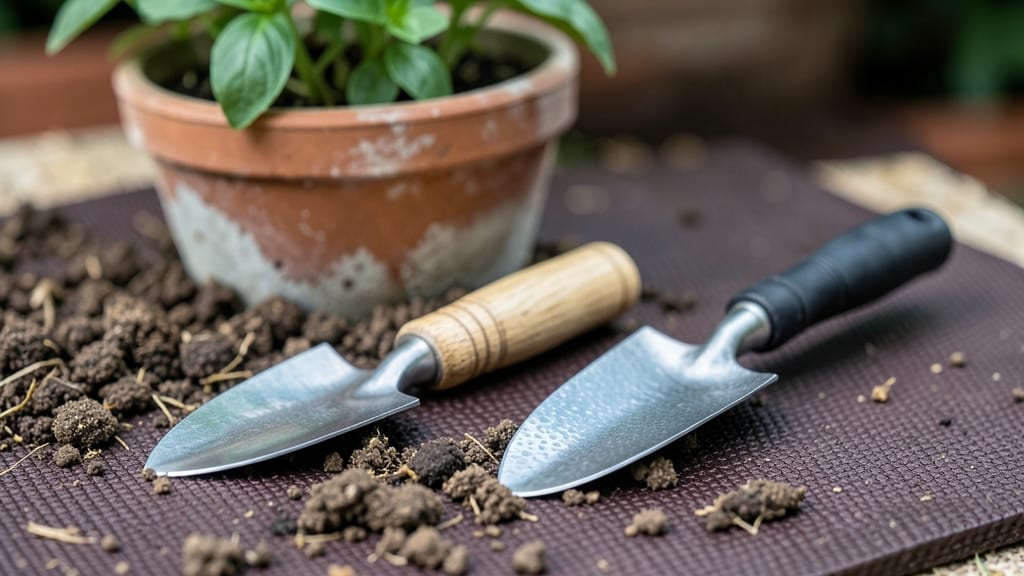
The name for a small shovel used in gardening is typically a trowel, hand fork, or transplanter, each built for precise tasks like planting, transplanting, or soil aeration in tight areas.
The right tool makes all the difference when working with delicate plants or confined garden spaces. 🌱 A trowel features a narrow, pointed blade perfect for edging or transplanting seedlings, while a hand fork has multiple prongs to break up compacted soil without disturbing roots.
For moving young plants, a transplanter with a scoop-shaped blade is ideal—its design minimizes root damage during transfers. I always recommend starting with a stainless steel trowel for versatility, especially if you're working with both soil prep and planting tasks.
Your choice depends on the job: trowels excel at precision work, hand forks handle tougher soil, and transplanters protect fragile root systems. 💫 For beginners, a multi-purpose trowel with an ergonomic handle is the most practical investment—it covers 80% of common gardening needs while being lightweight enough for extended use.
💡 In This Article
- How Trowels, Hand Forks, and Transplanters Differ by Design
- Choosing the Right Small Shovel for Your Gardening Tasks
How trowels, hand forks, and transplanters differ by design
The most obvious difference between these tools lies in their blade geometry. A trowel typically features a flat, rectangular blade measuring 4-6 inches wide with a slightly angled tip—ideal for cutting through soil or edging flower beds.
The blade's flat surface allows for clean, precise cuts, while the angled tip helps lift roots without tearing them.
In contrast, a hand fork has 3-4 sturdy prongs (about 1-2 inches long) that spread soil without disturbing plant roots, making it perfect for aerating compacted soil or mixing compost into garden beds.
Material choice significantly impacts durability and performance. Most stainless steel trowels and transplanters resist rust and corrosion, lasting 5-10 years with proper care, while aluminum versions are lighter (great for extended use) but may dent more easily.
The handle length also varies: trowels often have 6-12 inch handles for control in tight spaces, while transplanters (used for moving seedlings) feature 8-14 inch handles to provide leverage when lifting plants from pots.
The transplanter stands out with its scoop-shaped blade—designed to cradle delicate root balls, reducing transplant shock by up to 30% compared to standard shovels.
What most gardeners don't realize is how blade thickness affects functionality. A trowel's blade is usually 1/16 to 1/8 inch thick, striking a balance between strength and flexibility—thin enough to slice through soil easily but sturdy enough to handle rocky garden beds.
Hand forks, however, require thicker prongs (1/8 to 1/4 inch) to penetrate tough, clay-heavy soil without bending. This thickness difference explains why a hand fork can break up compacted soil twice as efficiently as a trowel, though it sacrifices precision for power.
Ergonomics play a surprisingly large role in tool performance. The angled handle on many trowels reduces wrist strain during repetitive tasks like transplanting, while ergonomic grips (often found on premium models) improve control by 15-20%—critical when working with small seedlings where precision matters.
Transplanters frequently include non-slip grips to prevent accidental drops when lifting heavy pots. The material of the handle (often fiberglass or rubber-coated) also affects comfort: fiberglass handles stay cooler in hot weather, while rubber grips provide better shock absorption when prying stubborn plants from the ground.
Consider this real-world example: When transplanting tomato seedlings, a trowel's narrow blade lets you dig a precise hole without disturbing nearby plants, while a hand fork would risk damaging roots with its prongs.
For breaking up hardpan soil in a vegetable garden, the hand fork's prongs create micro-channels that improve drainage—something a trowel simply can't do.
Even the weight distribution differs: trowels average 1-2 pounds, making them easy to wield for hours, while transplanters (often 2-3 pounds) provide the leverage needed to lift mature plants with minimal effort.
One advanced consideration is the serrated edge found on some trowels—these tiny teeth along the blade's edge help cut through thatch layers in lawns or root balls during transplanting. This feature adds $5-10 to the price but can save time when working with established perennials.
For container gardening, look for trowels with rounded corners—they prevent accidental scratches on pot edges while working in tight spaces.
Here's what to remember: Your choice should match the task's demands—precision for trowels, power for hand forks, and protection for transplanters. The right tool doesn't just make work easier; it preserves plant health by minimizing damage. 🌿