
Tools
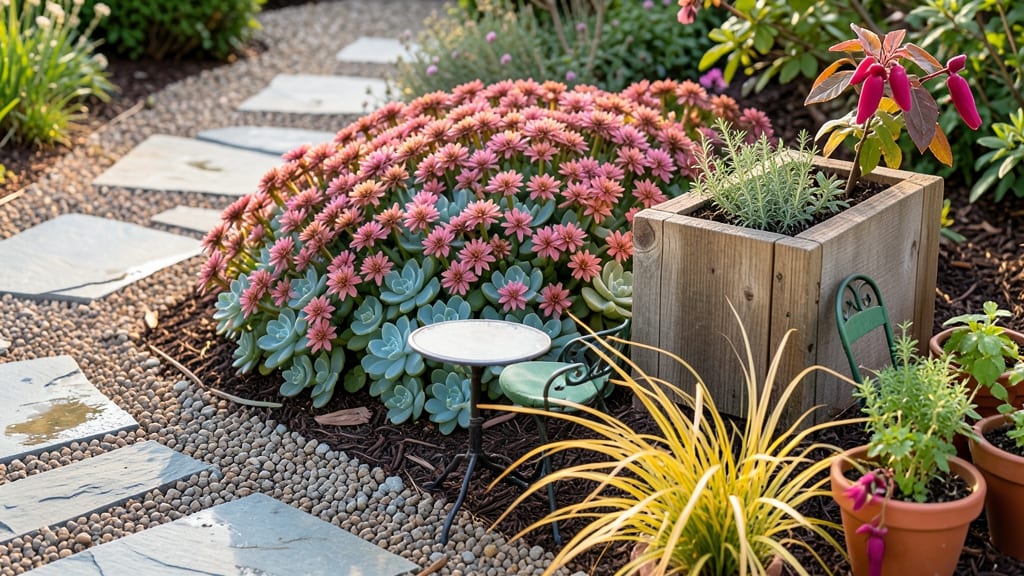
Small garden layout ideas transform tight spaces into vibrant, functional gardens by incorporating vertical structures, elevated planters, and clever zoning techniques that blend beauty with practicality.
When working with limited square footage, the key is thinking three-dimensionally.
Vertical gardening isn't just for walls—it can include trellises for climbing plants, hanging baskets, and even stacked planters that free up floor space. 🌿 I've seen raised beds become the star of tiny yards by creating defined growing zones while controlling soil quality, while edible borders turn ordinary edges into productive growing areas.
The magic happens when you combine these elements with strategic plant placement, ensuring taller varieties don't overshadow smaller ones and every inch serves a purpose.
For urban gardeners, the challenge is often about maximizing what little space exists. That's where multi-functional zones shine—like a small seating area with built-in planters or a vertical herb garden that doubles as room dividers. The goal is to create visual interest while keeping maintenance manageable.
I recommend starting with a simple layout that includes at least one vertical element and one raised bed, then building from there as your confidence grows.
💡 In This Article
- Design Principles for Compact Garden Spaces
- Top Space-Saving Garden Layouts for Urban Yards
Design principles for compact garden spaces
Compact garden design relies on three core principles: proportional spacing, strategic focal points, and layered planting techniques. The first rule is to maintain 12-18 inches between plants in beds to allow air circulation while preventing overcrowding.
This spacing creates an optical illusion of more room by breaking up dense foliage with intentional gaps. For example, a 4' x 4' raised bed can comfortably fit 9 medium-sized plants in a 3x3 grid with this spacing, maximizing yield without sacrificing growth conditions.
Focal points anchor the design and draw the eye upward or outward. Vertical elements like trellises (6-8 feet tall) or wall-mounted planters instantly add depth to shallow spaces.
The human eye naturally follows vertical lines, so a 6-foot bamboo trellis with climbing beans or morning glories can make a 3-foot-deep garden feel twice as expansive.
I've found that positioning focal points along pathways creates visual interest while guiding visitors through the space—like a small archway covered in jasmine that frames the entrance to a courtyard.
Layered planting uses height variation to create depth perception. Start with tall plants (3-5 feet) like sunflowers or hollyhocks at the back or center, followed by medium-height (1-3 feet) shrubs or herbs, and finish with low-growing (6-12 inches) ground covers or edibles.
This technique works particularly well in 2-foot-deep beds where you might place a 2-foot-tall tomato cage in the center surrounded by 1-foot-tall basil and 6-inch-tall lettuce. The result is a garden that feels lush and intentional rather than cramped.
Another critical principle is the rule of thirds for layout. Divide your space into thirds both horizontally and vertically, then place key elements along these lines rather than centering them. For instance, a 3-foot-wide vertical herb garden placed in one-third of the space creates balance without overwhelming.
This approach prevents the garden from feeling static or overly symmetrical, which can make small spaces feel even tighter. I've seen this technique transform 50-square-foot patios into visually dynamic areas that feel purposeful.
Don't overlook the power of edible borders—these serve as both functional and decorative elements. Instead of planting ornamental flowers along edges, use thyme, oregano, or chives which spread 6-12 inches wide and provide year-round interest. Their aromatic foliage also naturally repels pests while adding texture contrast.
In a 2-foot-wide border, you could interplant rosemary bushes (2 feet tall) with strawberries (6 inches tall) to create a fragrant, productive edge that saves space while adding value to your harvest.
Finally, consider the pathway-to-plant ratio. In small gardens, pathways should occupy no more than 30-40% of the total area to maintain a sense of openness. Use stepping stones (12-18 inches apart) or gravel paths that wind through plantings rather than straight lines.
Curved paths create visual interest while making the space feel larger through the psychological effect of soft edges. For example, a 3-foot-wide gravel path meandering through a 6-foot-square bed with hostas and ferns along the edges makes the planting area appear more expansive than it actually is.