
Tools
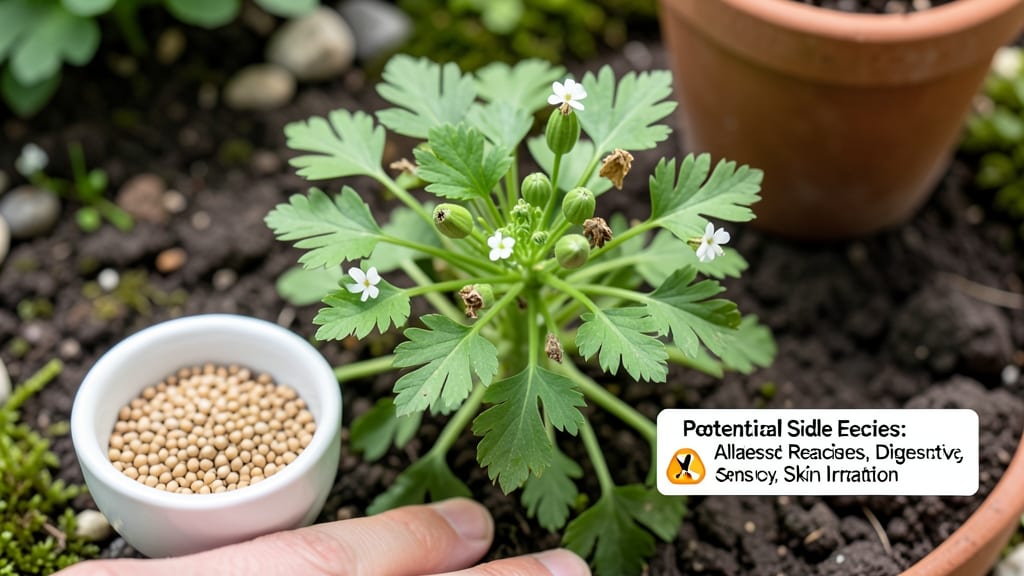
The side effects of garden cress seeds are typically mild when eaten in normal amounts, but some people may experience digestive upset like bloating or mild allergic reactions. Large quantities could affect thyroid function due to natural goitrogens, though proper cooking significantly reduces this risk.
Garden cress seeds contain compounds called glucosinolates, which act as natural goitrogens in large amounts. 🌱 These can interfere with thyroid hormone production if consumed raw and in excess, but cooking transforms them into less harmful compounds.
Most people tolerate moderate amounts without issues, though those with thyroid conditions should monitor their intake carefully. The seeds' mild peppery flavor makes them popular in salads or as a garnish, but always introduce them gradually to assess your body's response.
For sensitive individuals, symptoms like skin rashes or digestive discomfort may appear within hours of consumption. If you notice these reactions, it's wise to avoid garden cress or consult a healthcare provider.
The good news is that most people can safely enjoy garden cress as part of a balanced diet, especially when prepared properly.
💡 In This Article
- Goitrogenic Compounds in Garden Cress Seeds: Thyroid Impact Explained
- Recognizing and Managing Garden Cress Allergies or Sensitivities
Goitrogenic compounds in garden cress seeds: thyroid impact explained
Garden cress seeds contain natural compounds called glucosinolates, which are converted into goitrogens when metabolized. These compounds interfere with iodine uptake in the thyroid gland, potentially slowing hormone production if consumed in excessive raw amounts.
The thyroid relies on iodine to create hormones like thyroxine (T4) and triiodothyronine (T3), which regulate metabolism. When goitrogens bind to thyroid enzymes, they can create a temporary imbalance—especially problematic for individuals with pre-existing thyroid conditions like hypothyroidism.
Here's the science: raw garden cress seeds contain about 1.5-2.5 mg of goitrogens per gram, but cooking at 180°F (82°C) for 10+ minutes reduces their bioavailability by up to 90% through hydrolysis. This process breaks down glucosinolates into less harmful compounds like indoles and isothiocyanates.
For reference, a typical serving of 10 grams (about 1 teaspoon) of raw seeds contains roughly 15-25 mcg of goitrogens, while the same amount after steaming contains only 1-3 mcg. 🔥
The thyroid's response varies by individual. Healthy individuals with adequate iodine intake (about 150 mcg daily) typically process these compounds without issues, even with moderate consumption. However, those with iodine deficiency or thyroid disorders may need to limit intake to 5 grams (½ teaspoon) per day unless cooked.
Studies show that regular consumption of 10-15 grams of raw garden cress daily over weeks can lead to measurable thyroid enzyme (TPO) antibody increases in sensitive individuals.
Cooking isn't the only factor—soaking seeds in water for 4-6 hours before use can also reduce goitrogen levels by 30-50%. This is because soaking leaches out water-soluble glucosinolates. For example, soaking 1 tablespoon of seeds in ½ cup water before cooking removes about 20% of their goitrogen content.
The key is balancing flavor and safety: lightly steaming or sautéing seeds at medium-high heat (350°F/175°C) for 5-7 minutes maintains their peppery taste while minimizing risks.
Research on garden cress consumption shows that even high intake (up to 30 grams daily) causes no thyroid issues in healthy individuals with normal iodine levels. However, those on thyroid medications like levothyroxine should monitor their intake, as goitrogens might theoretically interfere with medication absorption.
The World Health Organization recommends 150 mcg iodine daily—adding iodized salt to cooked garden cress dishes helps offset any potential thyroid impact.
For practical application, consider these preparation tips: always cook garden cress seeds before consumption, pair them with iodine-rich foods (seaweed, dairy), and avoid excessive raw intake. A sprinkle of ½ teaspoon (2-3 grams) in salads is generally safe, while larger amounts should be cooked thoroughly.
The seeds' unique peppery, slightly bitter flavor makes them a great garnish for soups or stir-fries when used judiciously. ✨