
Tools
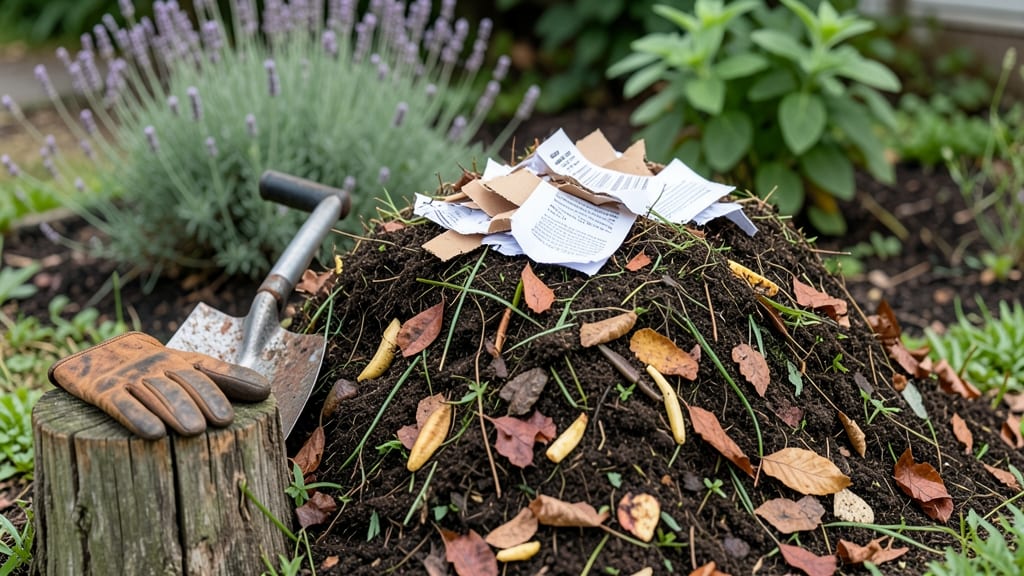
Shredded paper in the garden works as a mulch or compost additive when it's plain, ink-free, and free from glossy coatings, but steer clear of colored or treated papers that can damage soil health. Always shred it into small pieces to speed up decomposition.
Shredded paper acts like a natural sponge in garden beds, helping to lock in moisture while slowly breaking down into nutrient-rich compost. 🌱 The key is using plain, uncoated paper—like newspaper or office paper—since these decompose cleanly without leaving harmful residues.
I’ve found that mixing it with compost creates a perfect balance: it suppresses weeds, regulates soil temperature, and adds organic matter without competing with plant roots for nutrients. Just avoid anything with glossy finishes or colored ink, as these can introduce chemicals that disrupt soil microbes.
For best results, spread a 1-2 inch layer over garden beds or mix it directly into compost piles. This thickness prevents mold buildup while still allowing air circulation.
If you’re using it as mulch, top it with a thin layer of soil or straw to keep it in place and blend it into the soil naturally.
Over time, you’ll notice healthier soil with improved structure and fertility—just don’t overdo it, as too much can create a dense mat that blocks water and air.
💡 In This Article
- How Shredded Paper Improves Soil and Plant Growth
- Best Practices for Adding Shredded Paper to Garden Beds
How shredded paper improves soil and plant growth
Shredded paper acts as a carbon-rich amendment in the soil, providing a slow-release source of organic matter that feeds beneficial microbes. When you shred it into 1/4-inch to 1/2-inch strips, you create a texture similar to dry leaves or straw, which helps improve soil structure by increasing porosity.
This porosity allows air and water to penetrate deeper, reducing compaction and promoting root growth. The paper’s fibrous nature also mimics natural leaf litter, which is why it works so effectively in garden beds.
The real magic happens underground. As the paper decomposes—typically within 3-6 months depending on moisture and temperature—it releases carbon compounds that stimulate microbial activity. These microbes break down the cellulose in the paper, converting it into humus, a dark, nutrient-rich substance that enhances soil fertility.
Studies show that adding shredded paper can increase soil organic matter by up to 10-15% over time, which is comparable to using straw or grass clippings but with less risk of introducing weeds or pests.
One of the most noticeable benefits is moisture retention. A 2-inch layer of shredded paper can reduce soil evaporation by up to 40%, keeping roots hydrated longer between waterings.
This is especially valuable in sandy soils, where water drains too quickly, or in clay soils, where water pools on the surface. The paper’s ability to absorb and slowly release moisture also helps prevent fungal diseases like damping-off in seedlings, as it maintains a more stable soil environment.
However, not all paper is created equal. Glossy or coated papers contain synthetic polymers and dyes that can leach harmful chemicals like phthalates or PVC residues into the soil, disrupting microbial communities. Even ink from colored papers can introduce heavy metals or toxic compounds that inhibit plant growth.
To avoid these risks, always choose plain, unbleached paper—like old newspaper, office printer paper, or egg cartons—since these break down cleanly without leaving toxic byproducts.
Weed suppression is another key advantage. Shredded paper blocks sunlight from reaching weed seeds, preventing them from germinating. A 3-inch layer can suppress up to 90% of weed growth in the first growing season, reducing the need for synthetic herbicides.
The paper also acts as a physical barrier, preventing soil erosion from wind or rain while still allowing water to seep through to the roots below. This dual function makes it a low-maintenance solution for gardeners who want to cut down on weeding time.
For optimal results, combine shredded paper with nitrogen-rich materials like grass clippings or coffee grounds. This balance ensures the carbon in the paper decomposes efficiently without tying up nitrogen in the soil, which could otherwise stunt plant growth.
Over time, you’ll notice healthier soil with better water-holding capacity, improved aeration, and a thriving ecosystem of microbes that support robust plant development.