
Tools
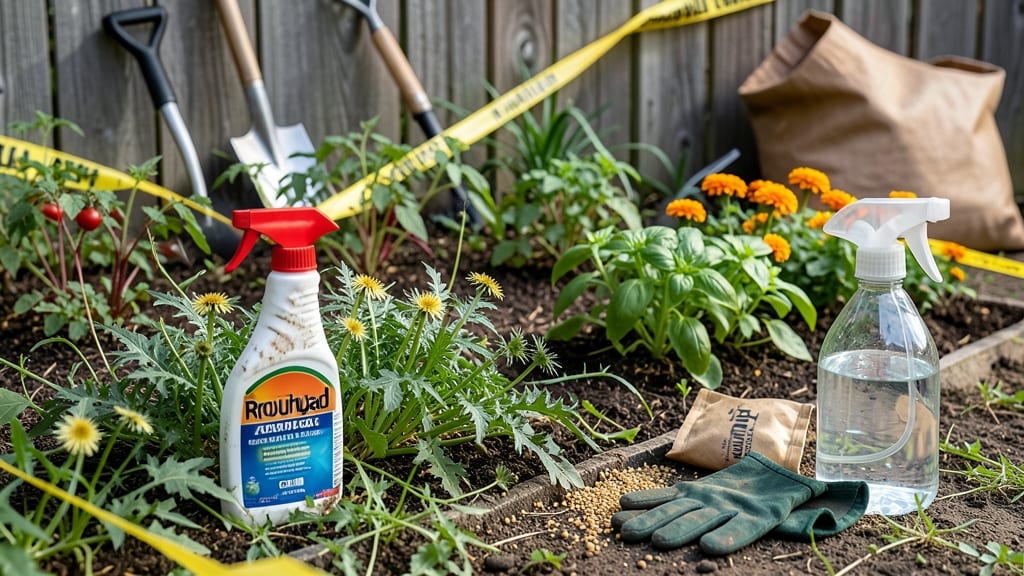
You should use Roundup in your garden may seem like a quick fix for weeds, but it carries significant risks to soil health, beneficial insects, and nearby plants while potentially contaminating groundwater. Organic methods like vinegar or corn gluten meal offer safer, long-term solutions.
Should I use Roundup in my garden? Deciding whether to use Roundup isn't just about immediate results—it's about long-term consequences for your plants and ecosystem. 🌱 Glyphosate, the active ingredient, can linger in soil for months, disrupting microbial life that keeps your garden thriving. Many gardeners switch to natural options like vinegar (for spot treatment) or corn gluten meal (as a pre-emergent barrier) because they break down safely while still controlling weeds effectively.
What's more, Roundup's impact extends beyond your garden. Studies show it can harm bees and butterflies, which are essential for pollination. 🐝 Organic alternatives not only protect these helpers but also maintain healthier soil for future plantings.
If you're committed to sustainable gardening, making the switch to natural weed control can actually improve your garden's productivity over time.
💡 In This Article
- Environmental and Health Risks of Roundup in Gardens
- Effective Organic Weed Control Methods for Gardens
Environmental and health risks of Roundup in gardens
Glyphosate, the active ingredient in Roundup, works by inhibiting a specific enzyme—EPSP synthase—found in plants but not animals. However, this chemical doesn't discriminate between weeds and beneficial soil microbes.
Studies show glyphosate can reduce microbial populations by up to 40% within weeks of application, disrupting the natural decomposition process that enriches soil. 🌱 The result? Compromised soil structure and reduced nutrient availability for your plants.
Beyond soil, glyphosate poses risks to pollinators like bees and butterflies. Research published in the journal Scientific Reports found that glyphosate exposure reduces bees' ability to navigate by up to 30%, threatening pollination networks.
Even at low doses, it can weaken plant defenses, making crops more susceptible to pests and diseases. The chemical also has a half-life of 60-150 days in soil, meaning it persists long after application.
Human health concerns add another layer of caution. The World Health Organization's International Agency for Research on Cancer classified glyphosate as a "probably carcinogenic" substance in 2015.
While debate continues about its exact risks, many gardeners prefer organic alternatives to minimize potential exposure through inhalation or skin contact during application. 🌿 The EPA maintains that glyphosate is safe when used as directed, but independent studies suggest long-term exposure may contribute to chronic health issues.
Water contamination is another critical concern. Glyphosate has been detected in groundwater samples across the U.S., with concentrations sometimes exceeding safe drinking water limits set by the European Union (0.1 ppb).
Rainfall can wash glyphosate into nearby waterways, creating ripple effects on aquatic ecosystems. Even organic gardeners using Roundup may unknowingly contribute to this broader environmental problem.
Consider this: A single application of Roundup can leave residues detectable for months, while organic alternatives like vinegar or corn gluten meal break down completely within weeks. The trade-off between immediate weed control and long-term ecological health becomes clearer when you examine these timelines and consequences. 💫
For gardeners prioritizing biodiversity, the choice becomes evident. Roundup's broad-spectrum approach eliminates not just weeds but also beneficial insects and soil organisms that maintain garden vitality. The cumulative effect over seasons can transform a thriving ecosystem into a chemically dependent one, requiring ever-increasing doses of herbicides to maintain control.