
Pests
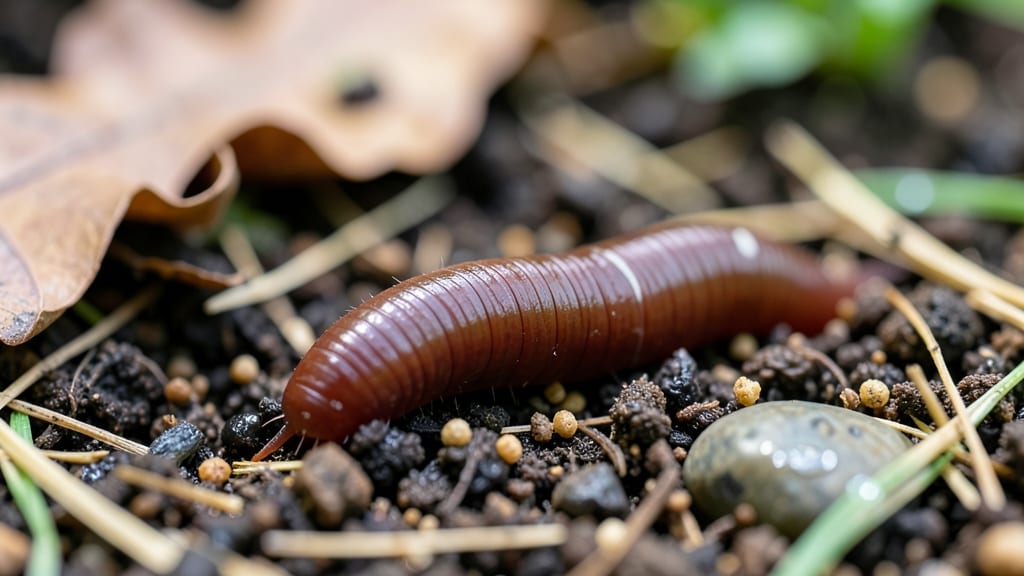
You should put worms in your garden if you want healthier soil, as they naturally aerate the ground, decompose organic waste, and release essential nutrients—but you’ll need to pick the right kind and manage them carefully to avoid overpopulation or disrupting your plants.
Worms act like tiny soil engineers, creating tunnels that improve drainage and root access while their castings (a nutrient-rich byproduct) act as a natural fertilizer. 🌱 The key is selecting red wigglers (ideal for compost bins) over nightcrawlers, which are better suited for open fields.
I’ve found that introducing them gradually—starting with 1 pound per 100 square feet—helps prevent overcrowding, which can lead to competition for food and even plant damage.
For best results, keep their bedding moist (like a damp sponge) and provide plenty of organic matter—think coffee grounds, vegetable scraps, or shredded leaves. These creatures thrive in shaded areas, so avoid direct sunlight or dry conditions.
A little patience goes a long way: it can take 3-6 months to see dramatic soil improvements, but the long-term benefits for your garden’s health are worth it.
💡 In This Article
- How Earthworms Transform Soil and Boost Plant Growth
- Step-by-Step Guide to Adding Worms to Your Garden
How earthworms transform soil and boost plant growth
Earthworms act like nature's plows and composters, constantly tunneling through soil to create tiny air pockets that improve aeration by up to 50%. These tunnels also enhance water infiltration, reducing runoff and helping roots access moisture more efficiently.
Their castings—rich in nitrogen, phosphorus, and potassium—contain up to 5 times more nutrients than the surrounding soil, making them a powerhouse fertilizer. Studies show that worm activity can increase soil organic matter by 20-30% within a single growing season.
The magic happens through their digestive process: worms ingest organic debris, break it down with enzymes, and excrete nutrient-dense castings. This process releases beneficial microbes that help suppress harmful pathogens while promoting beneficial fungi.
Red wigglers, the most common composting worms, can process their body weight in food daily—meaning a single pound of worms can convert 2-3 pounds of kitchen scraps into nutrient-rich soil per week. Their tunnels also prevent soil compaction, which is especially valuable for container gardens or heavy clay soils.
Not all worms are created equal, though. Nightcrawlers, while excellent for open fields, aren't ideal for small gardens because they burrow deeply and can become pests if overpopulated. Red wigglers, on the other hand, thrive in surface layers and are perfect for compost bins or raised beds.
The key difference lies in their behavior: red wigglers prefer moist, shaded environments with plenty of organic matter, while nightcrawlers need well-drained soil and are more active in open spaces. 🌱
Worm activity also triggers a cascade of benefits for plant roots. Their tunnels create a network of pathways that allow roots to spread more easily, while the increased microbial activity boosts nutrient uptake.
Plants grown in worm-amended soil often show 25-50% faster growth and higher yields, thanks to the improved soil structure and nutrient availability. The castings even contain growth hormones that stimulate root development—a natural boost that synthetic fertilizers can't replicate.
For best results, aim for a worm population density of 1-2 worms per square foot in your garden beds. Too many worms can lead to competition for food, causing them to surface and become vulnerable to predators.
The ideal balance creates a self-sustaining ecosystem where worms continuously improve soil health without requiring additional intervention. Over time, you'll notice richer soil with better water retention and fewer weeds—a testament to these tiny underground engineers at work.