
Fertilization
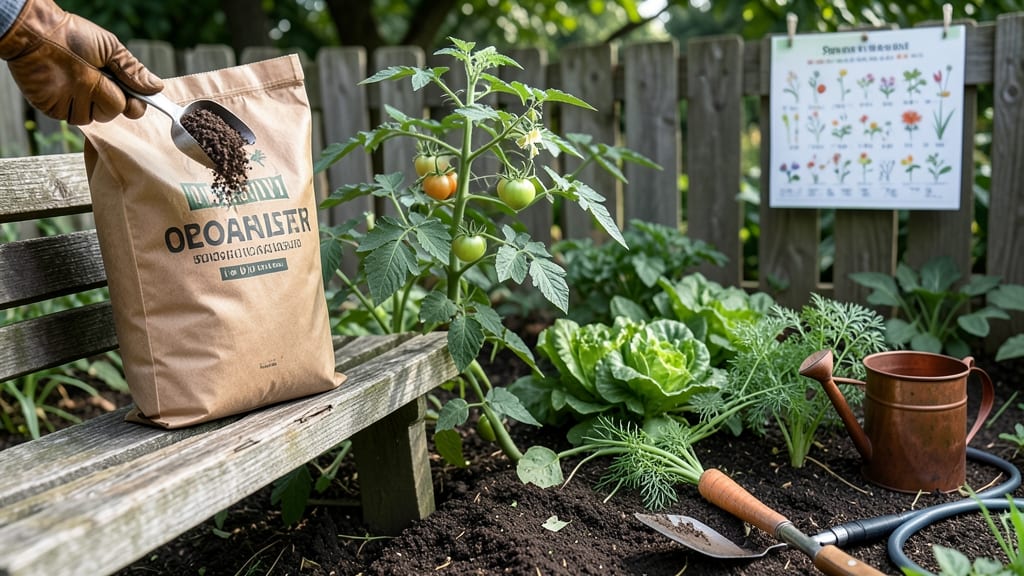
Fertilizing your garden at the right time means the difference between lush, thriving plants and struggling, nutrient-starved 🌱 soil.
Timing your garden fertilization wrong can mean wasted money—or even harming your plants. But get it right, and you’ll unlock explosive root growth, bigger blooms, and healthier soil for years. The key is knowing when to feed, not just how much.
Spring is the prime time to fertilize, right after the last frost and before active growth kicks in. A balanced feed in early spring jumpstarts your garden, while a second application in late spring keeps plants strong as they mature.
Fall is a different story—most plants need a break to prepare for winter, so skip the fertilizer after harvest.
Below, I’ll break down the best seasonal schedule, how to read your soil’s hunger cues, and the three types of fertilizer timing strategies that work for different plant life cycles—so you never guess again.

Best fertilization schedule by season: spring vs fall timing explained
Fertilizing your garden at the wrong time can waste nutrients—or worse, stress your plants. The key to strong root development and bigger blooms lies in understanding seasonal growth cycles.
Spring and fall are the powerhouse seasons for fertilization, but their approaches couldn’t be more different. Let me break down the science-backed timing that will transform your garden’s health.
In early spring, the focus shifts to pre-planting fertilization to jumpstart root growth before plants emerge. This is when soil is cool but active, and plants need a nutrient boost to break dormancy.
Meanwhile, fall fertilization serves a completely different purpose—preparing plants for winter dormancy while replenishing soil for next year’s growth. Understanding these differences can mean the difference between a thriving garden and a struggling one.
Here’s the critical comparison you need to know before grabbing that fertilizer bag:
Spring fertilization is all about timing before active growth. When you apply fertilizer too early, nutrients can leach away in cold, wet soil. But if you wait too long, plants miss the root-boosting window before they emerge.
The ideal time is 4-6 weeks before your last frost date, when soil temperatures hit 50°F. This gives roots time to establish before the real growing season begins.
For vegetable gardens, I recommend a balanced fertilizer (10-10-10) in early spring, followed by a nitrogen-rich feed when plants are 4-6 inches tall. Tomatoes and peppers, in particular, respond dramatically to this timing. Meanwhile, perennials like roses benefit from a phosphorus-heavy feed in spring to encourage blooming.
Fall fertilization might seem counterintuitive, but it’s a game-changer for next year’s growth. When you feed plants in late summer or early fall, they store nutrients in their roots for spring. This is especially critical for lawns, perennials, and shrubs.
However, avoid fertilizing too close to winter—you don’t want new growth that won’t harden off before frost. Aim to finish by 6-8 weeks before your first frost.
The biggest mistake gardeners make? Fertilizing in mid-summer. When temperatures soar, plants can’t absorb nutrients efficiently, and excess salts in the soil can burn roots.
Instead of feeding, focus on watering deeply and mulching to protect soil moisture. Save the fertilizer for spring and fall when plants can actually use it.
Pro tip: Pair your spring fertilization with a compost top-dressing to improve soil structure. In fall, mix in aged manure or worm castings to break down over winter. This dual approach gives you both immediate nutrients and long-term soil health. Your plants—and your wallet—will thank you.
Remember, the best fertilization schedule isn’t one-size-fits-all. Test your soil first to know exactly what nutrients your garden needs. Then, adjust your timing based on your local frost dates and plant types. With this science-backed approach, you’ll grow stronger roots, bigger harvests, and healthier soil year after year. 🌱
How to tell when your garden needs fertilizer (not just guessing)
Your garden whispers clues about its health—if you know what to listen for. Yellowing leaves, stunted growth, or pale stems often signal nutrient hunger, while brown leaf edges or crispy tips scream "too much fertilizer!"
Ignoring these signs can mean wasted money or even plant damage. Instead of guessing, learn the visual cues and soil tests that reveal exactly when your garden needs feeding.
Start by observing your plants' foliage color. Yellow leaves between veins (chlorosis) usually mean a nitrogen deficiency, while purple stems or reddish leaves often signal phosphorus shortages. For vegetables like tomatoes or peppers, slow fruit production despite healthy-looking leaves can also point to nutrient gaps.
Even herbs like basil will bolt (flower prematurely) if they're starving for nutrients.
Don't confuse nutrient needs with overwatering or pests. For example, spider mites cause yellowing too, but they leave fine webbing on leaves. Check the soil moisture—wilting plants may just need water, not fertilizer.
The key is pairing visual checks with a simple soil test (DIY kits cost $10-$20) to confirm what your plants are truly missing.
Burnt leaf edges or white crust on soil aren't the only red flags. Watch for:
- Algae blooms in containers (green scum on water)
- Stunted roots (roots grow outward instead of down)
- Sudden wilting despite moist soil (salt buildup)
If you see these, flush the soil with water immediately and avoid fertilizing for 4-6 weeks.
Season matters too. Spring-fed plants (like lettuce or peas) show deficiency faster than summer perennials (like lavender). Test your soil in early spring before planting—this tells you if you need a pre-plant boost or if last year's fertilizer still lingers.
In fall gardens, focus on potassium-rich fertilizers (look for higher last number in NPK ratios) to help plants store nutrients for winter.
For container gardens, check the root growth through drainage holes. If roots circle tightly or look brown and mushy, your plant's outgrown its nutrients. Containers dry out faster, so they need more frequent feeding (every 3-4 weeks) but in half the dose of in-ground plants.
Always water thoroughly before fertilizing to prevent chemical burns.
Pro tip: Keep a garden journal to track when you fertilize and how plants respond. Note the brand and type of fertilizer (organic vs. synthetic), the amount used, and any changes in leaf color or growth rate.
Over time, you'll spot patterns—like your tomatoes always needing a mid-July feed or your roses thriving on spring compost but rejecting summer granules.
Remember, healthy soil feeds plants naturally. If your garden shows consistent signs of hunger year after year, it's time to amend the soil with compost or aged manure instead of relying solely on quick-release fertilizers. Your plants—and your wallet—will thank you.