
Advice
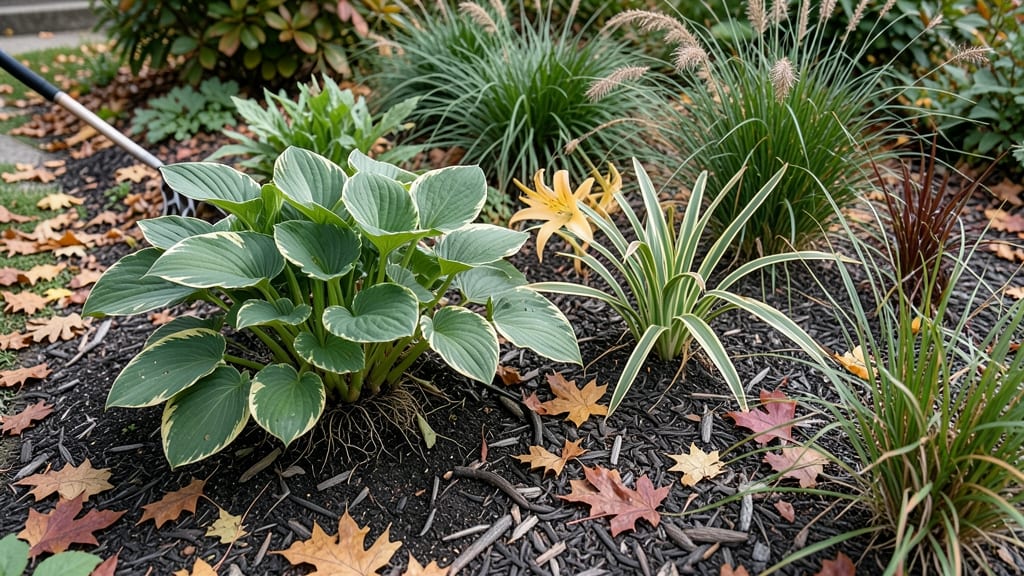
Leaving leaves on garden beds improves soil fertility by adding organic matter, prevents weeds, and locks in moisture, but can harm plants if layers become too thick or harbor pests. Consider leaf type and garden conditions before deciding.
Deciding whether to leave leaves on garden beds comes down to balancing immediate benefits with long-term risks. 🌿 A 2–4 inch layer of shredded leaves acts like natural mulch, breaking down over time to feed soil microbes and improve structure.
However, thick piles can suffocate plants or create breeding grounds for slugs and fungi. I recommend testing a small area first—if your leaves are healthy and free of chemicals, they can be a free, nutrient-rich resource. The key is proper distribution: spread them evenly and avoid piling near plant stems.
Seasonal timing matters too. In fall, leaving leaves is ideal for winter protection, but in spring, thin layers to prevent overheating. For diseased leaves, always remove them to stop pathogen spread. With the right approach, these "waste" leaves can transform into a soil-building powerhouse.
💡 In This Article
- How Mulching Leaves Boosts Soil Fertility and Structure
- Weed Prevention vs. Plant Smothering: Best Practices for Leaf Mulch
How mulching leaves boosts soil fertility and structure
When leaves decompose, they release essential nutrients like nitrogen, phosphorus, and potassium directly into the soil. This process, called mineralization, happens thanks to soil microbes breaking down cellulose and lignin in leaves.
A 3-inch layer of shredded leaves can add up to 20 pounds of organic matter per 100 square feet annually, improving soil texture and water retention. The decomposition also creates humus—a stable organic compound that boosts soil structure and microbial activity, which is crucial for plant root health. 🌱
Dry leaves decompose more slowly than wet ones because moisture speeds up microbial activity. In fact, wet leaves can break down 30-50% faster than dry ones, but they also compact more easily, potentially suffocating soil life. The ideal balance is a mix of dry and slightly damp leaves, spread evenly.
Seasonal timing matters too: in fall, leaving leaves helps insulate soil and protect plants from freezing, while in spring, thinner layers prevent overheating and moisture loss.
This natural mulch also prevents soil erosion by reducing wind and water impact. Studies show that mulched soil loses 70% less topsoil during heavy rains compared to bare soil. The leaf layer acts like a protective blanket, shielding soil from compaction and temperature extremes.
For best results, aim for a 2-4 inch layer—thicker layers can create anaerobic conditions that harm beneficial microbes and plants.
Not all leaves are equal. Oak leaves, for example, decompose slowly due to high tannin content, while maple leaves break down faster. If you have diseased leaves, remove them immediately—they can spread pathogens like fungal spores to your garden.
For healthy leaves, consider shredding them first to speed up decomposition and improve nutrient release.
One often-overlooked benefit is how leaf mulch regulates soil temperature. In summer, it keeps roots cool, while in winter, it provides insulation against frost. The right leaf layer can maintain soil temperatures within a 5-10°F range year-round, creating optimal growing conditions for most plants.
This thermal regulation is especially valuable in regions with extreme seasonal shifts.
To maximize benefits, combine leaves with other organic matter like grass clippings or compost. This creates a more balanced nutrient profile and speeds up decomposition. Over time, your garden will develop richer, darker soil with better water-holding capacity—making it easier to grow healthy plants with less effort. 💚