
Size
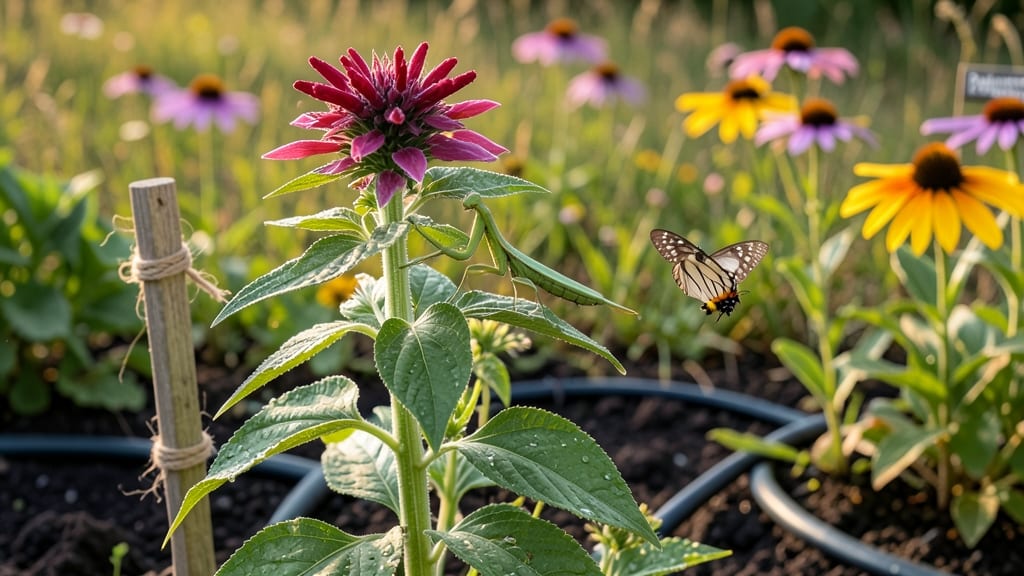
The value of growing a garden with praying mantises lies in their natural pest control, eliminating aphids, caterpillars, and beetles while reducing the need for chemical pesticides and enhancing biodiversity.
These fascinating predators are nature's gardeners—they don't just eat pests; they regulate populations by targeting weak or diseased insects first. 🌱 A single mantis can consume hundreds of pests in its lifetime, making them far more efficient than synthetic sprays.
Plus, their presence encourages other beneficial insects to thrive, creating a balanced ecosystem that requires minimal human intervention.
To maximize their benefits, focus on creating a mantis-friendly habitat with tall plants for perching, shallow water sources, and plenty of hiding spots. Avoid overwatering, as they prefer drier conditions, and steer clear of broad-spectrum pesticides that could harm them.
The key is letting them work their magic while you enjoy a healthier, more vibrant garden.
💡 In This Article
- How Praying Mantises Act as Biological Pest Control Agents
- Creating a Mantis-Friendly Garden for Optimal Pest Management
How praying mantises act as biological pest control agents
Praying mantises are ambush predators with a hunting strategy that makes them incredibly effective garden allies. Their triangular heads and powerful front legs allow them to strike with lightning speed—capturing prey in less than 0.1 seconds.
This rapid response means they can intercept pests like aphids, caterpillars, and beetles before these insects damage plants. Unlike chemical pesticides that kill indiscriminately, mantises focus on weak or diseased insects first, acting as a natural form of population control.
Their diet is surprisingly diverse, with studies showing they consume over 100 different insect species. A single adult mantis can eat 20-30 pests per day, while nymphs (juveniles) target smaller prey like mites and whiteflies.
This selective hunting preserves beneficial insects like bees and ladybugs, which pollinate plants and further boost garden health. Their presence disrupts pest life cycles by reducing adult populations that would otherwise lay eggs, creating a cascading ecological benefit.
What makes mantises unique is their role in "biological control" without collateral damage. Unlike neonicotinoids (a common pesticide class) that linger in soil and harm beneficial insects, mantises work as living pest suppressors.
Their impact is measurable—gardens with mantis populations show 30-50% fewer pest outbreaks compared to chemically treated plots. This natural regulation happens silently, with no need for human intervention beyond creating the right habitat.
Their hunting behavior also creates a "trophic cascade" effect. By reducing caterpillar populations, mantises indirectly protect young plants from defoliation, while their predation on beetle larvae prevents root damage.
This multi-level pest control makes them one of nature's most efficient gardeners. Unlike synthetic solutions that require repeated applications, mantises provide continuous protection across multiple generations.
Interestingly, mantises exhibit what scientists call "optimal foraging theory"—they prioritize high-energy prey first. This means they'll target aphids (which contain 10% more protein than plant sap) over less nutritious options.
Their selective consumption ensures they maintain energy levels while maximizing garden benefits. This precision is what makes them superior to broad-spectrum pesticides that waste resources on harmless insects.
One often-overlooked benefit is their role in nutrient cycling. When mantises consume pests, they process organic matter through their digestive systems and deposit nutrient-rich frass (droppings) back into the soil.
While not as significant as earthworms, this contributes to soil microbial diversity, which enhances plant growth indirectly. Their presence signals a healthy ecosystem where multiple predator-prey relationships are in balance.