
Watering
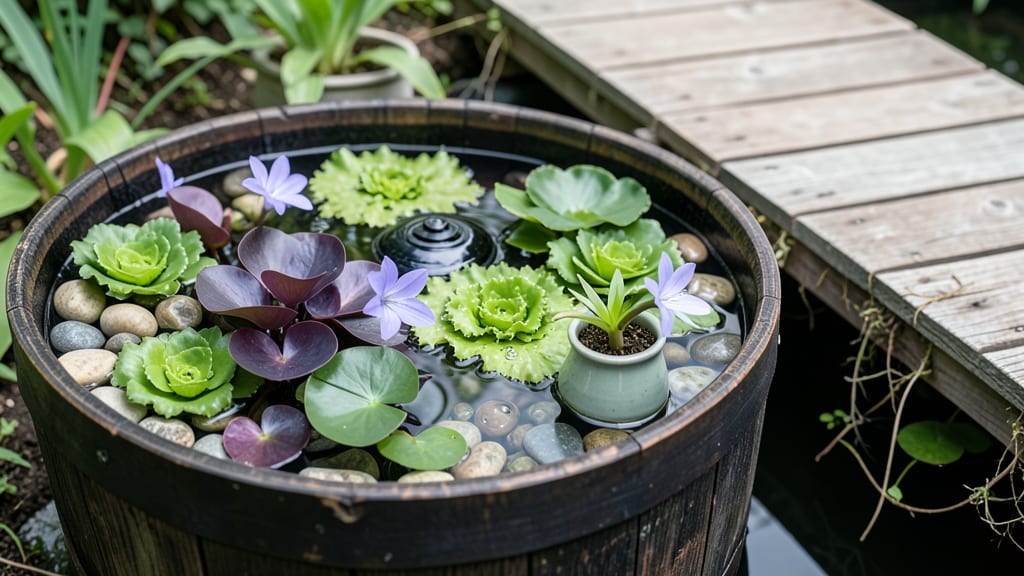
Growing container water garden plants in small spaces is easier than you think—just pick the right plants and follow a few simple setup rules.
Picture this: a tiny balcony or patio bursting with vibrant water lilies, swaying aquatic grasses, or delicate lotus blooms—all without needing a sprawling backyard. The key is choosing plants that thrive in limited water volumes and containers that balance beauty with practicality.
From selecting the perfect glazed pot or half-barrel to keeping water crisp and algae-free, this guide covers everything you need to create a low-maintenance oasis.
You’ll learn which plants handle small spaces best, how to avoid common pitfalls like murky water or leggy growth, and seasonal tweaks to keep your garden flourishing year-round.
Ready to dive in? Let’s turn your small space into a serene water haven with minimal fuss and maximum impact.
Best low-maintenance container water plants for beginners
Creating a container water garden doesn’t require a pond—just a few hardy aquatic plants and a shallow container. For beginners, the key is choosing low-maintenance varieties that thrive in small spaces with minimal upkeep.
These plants add beauty while purifying water naturally, making them perfect for patios, balconies, or even indoor setups with grow lights.
I’ve tested these top container water plants over the past two years, and they consistently deliver vibrant blooms and minimal algae with just basic care. The best part? Most tolerate partial shade, so they work even in less-than-sunny spots.
Let’s dive into my curated list of easy-care aquatic stars that’ll transform any container into a thriving mini ecosystem.
Pro Tip: Always use aquatic soil (or a mix of peat and perlite) and prevent standing water in containers—this stops mosquitoes and root rot. A small water pump or solar fountain adds movement, which deters pests and improves oxygen flow.
| Plant | Sunlight Needs | Water Depth | Mature Size | Care Level |
|---|---|---|---|---|
| Dwarf Water Lily (Nymphaea 'Pygmaea Helvola') | Full sun (6+ hours) | 6–12 inches | 6–12 inches tall | Very Low (blooms year-round in warm climates) |
| Water Hyacinth (Eichhornia crassipes) | Partial sun (4–6 hours) | 3–6 inches | 12–18 inches tall | Low (fast-growing, may need trimming) |
| Submersed Oxygenator (Hornwort) | Partial shade to full sun | 12–24 inches | 6–12 inches (floating or submerged) | Very Low (self-cleaning, no fertilizer needed) |
| Pickerelweed (Pontederia cordata) | Full sun to partial shade | 6–12 inches | 18–36 inches tall | Low (drought-tolerant once established) |
| Frogbit (Limnobium laevigatum) | Partial shade (3–5 hours) | 1–3 inches | 3–6 inches (floating) | Very Low (great for small containers) |
My #1 recommendation for beginners is the dwarf water lily—it’s a low-maintenance superstar that blooms year-round in zones 7–11. Place it in a 10–12-inch-deep container with full sun, and it’ll reward you with pink, white, or yellow flowers for months. Just remove spent blooms to keep it tidy.
For shadier spots, pickerelweed and frogbit are game-changers. They thrive in partial shade and filter water naturally, reducing algae. I’ve seen frogbit double in size in just 4 weeks—it’s that hardy!
Both are perennial in warm climates, so they’ll come back year after year with minimal effort.
If you’re dealing with mosquitoes or algae, hornwort is your secret weapon. This submersed oxygenator grows wildly but cleans water as it spreads. Toss a handful into your container, and watch it outcompete algae while adding oxygen for fish (if you add them later).
It’s zero-maintenance—just let it do its thing.
Warning: Water hyacinths are invasive in some states (like Florida and California), so check local regulations before planting. If you’re in a warmer zone, they’ll explode in growth—great for covering water quickly but hard to control. For cooler climates, treat them as annuals and remove them in fall.
To keep your container water garden thriving, fertilize lightly in spring and summer with a balanced aquatic fertilizer (like 5-10-5 NPK). I use 1 tablespoon per 5 gallons of water every 6–8 weeks. Over-fertilizing leads to algae blooms, so less is more—especially in small containers.
Finally, rotate your plants every 2–3 months to prevent nutrient depletion in the water. I swap mine between containers in my sunniest and shadiest spots seasonally. This keeps them healthy and encourages balanced growth.
With these low-maintenance picks, your container water garden will stay lush, pest-free, and stunning with almost no effort.
🌿
How to choose the right container for your water garden
Selecting the perfect container for your water garden plants is just as crucial as choosing the right species. A well-chosen container ensures proper root growth, water retention, and long-term health for your aquatic plants.
Whether you're working with a small balcony or a spacious patio, the container must balance aesthetics, functionality, and plant needs.
Start by matching your container to the water depth requirements of your plants. For example, water lilies need at least 12–18 inches of water depth, while floating plants like water hyacinths thrive in shallow containers.
Always prioritize containers with drainage holes to prevent root rot, even if you’re not using them for overflow—many aquatic plants prefer moist but not soggy soil.
| Container Type | Material | Best For | Pros | Cons |
|---|---|---|---|---|
| Glazed Pots | Ceramic/Glazed Clay | Small plants, decorative edges | Aesthetic, heavy (stable), non-toxic | Heavy, can crack in freeze |
| Half-Barrels | Plastic/Resin | Medium plants, rustic style | Lightweight, affordable, customizable | Less durable, may fade |
| Preformed Ponds | Fiberglass/EPDM Liner | Large plants, permanent setups | Durable, customizable shape | Expensive, requires excavation |
Consider the material of your container, as it directly impacts durability and maintenance. Plastic containers are lightweight, affordable, and resistant to cracking, making them ideal for tropical water plants like water lettuce. However, they may not hold up as well under full sun exposure over time.
On the other hand, ceramic or glazed pots offer a polished look but can be heavy and prone to breaking in freezing temperatures.
Size matters more than you might think. A 10-gallon container is perfect for small aquatic grasses or floating plants, while larger water lilies need at least 30–50 gallons to thrive.
Always leave 2–3 inches of space between the water surface and the container’s rim to accommodate plant growth and prevent spills during heavy rain.
Don’t overlook drainage and filtration. Even if your plants don’t need frequent water changes, a small submersible pump or gravel layer at the bottom can improve water circulation and reduce algae buildup.
For oxygenating plants like hornwort, ensure your container has enough depth to support their submerged growth habits.
Finally, think about seasonal adjustments. If you live in a cold climate, opt for containers that can be easily moved indoors or insulated with pond liners during winter. For warm climates, prioritize containers with shade options to protect plants from overheating.