
Fertilization
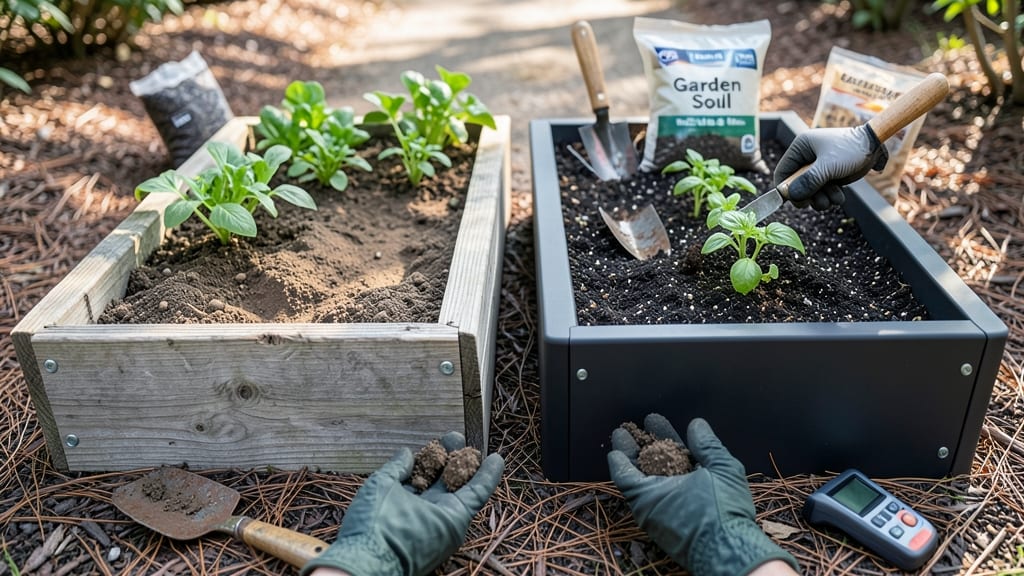
You can use garden soil in raised beds, but it carries risks like weeds, pests, and soil compaction that may harm plant growth. Blending it with compost or premium topsoil creates a healthier growing medium.
While garden soil might seem like a free resource, its drawbacks often outweigh the benefits. 🌱 The biggest concerns are hidden weed seeds that sprout unexpectedly and soil-borne pathogens that weaken plants. Compaction from heavy garden soil can also restrict root growth, leading to stunted vegetables or struggling perennials.
I've seen raised beds collapse under the weight of unamended garden soil over time, which is why most experts recommend mixing it with organic matter like compost or coconut coir to improve structure and drainage.
For best results, consider sterilizing garden soil first using solarization or baking methods to kill pests. Mixing in 20-30% compost or high-quality topsoil creates an ideal balance of nutrients and aeration.
This approach gives you the benefits of your existing soil while minimizing the risks that come with using it straight from the yard.
💡 In This Article
- Potential Risks of Using Garden Soil in Raised Beds
- How to Safely Amend Garden Soil for Raised Beds
Potential risks of using garden soil in raised beds
Garden soil often contains dormant weed seeds that can germinate unexpectedly in your raised beds. A single shovelful might introduce thousands of seeds—some from aggressive weeds like crabgrass or bindweed that can take over your garden.
These weeds compete with your plants for water and nutrients, often producing deep root systems that are difficult to eradicate once established.
The soil also carries soil-borne pathogens like fungi and bacteria that thrive in moist conditions. For example, Phytophthora species can cause root rot, while Verticillium wilt fungi can devastate tomatoes and peppers. These microbes may not harm you but can severely stress or kill your plants.
The risk increases when garden soil is heavy with organic matter that hasn't decomposed, creating an anaerobic environment where these pathogens flourish.
Compaction is another major issue. Garden soil tends to be dense and heavy, especially if it contains clay or has been walked on frequently. When packed into raised beds, it can compress over time, reducing pore space by up to 40%.
This limits oxygen flow to roots, which stunts growth and makes plants more susceptible to disease. You'll often see roots growing in a tangled mass near the surface rather than spreading out, which is a clear sign of poor aeration.
Nutrient imbalances are also common. Garden soil typically lacks the consistent fertility of amended growing mixes. While it may have traces of nitrogen, phosphorus, and potassium, these nutrients are often tied up in organic matter that plants can't access immediately.
Without proper amendments, your raised bed might produce stunted plants with yellowing leaves—a classic sign of nutrient deficiency.
Long-term consequences include soil degradation. The natural microbial communities in garden soil aren't optimized for raised-bed conditions, where drainage and temperature fluctuate more dramatically. Over time, this can lead to a decline in soil structure and fertility, requiring more frequent amendments and potentially higher costs for maintaining plant health.
Consider this example: I once saw a raised bed filled exclusively with garden soil collapse inward after heavy rains. The soil's lack of structure caused it to slump, burying plant stems and creating anaerobic pockets where roots suffocated.
The plants that survived were weak and produced minimal yield—a stark contrast to beds amended with compost and perlite.