
Landscaping
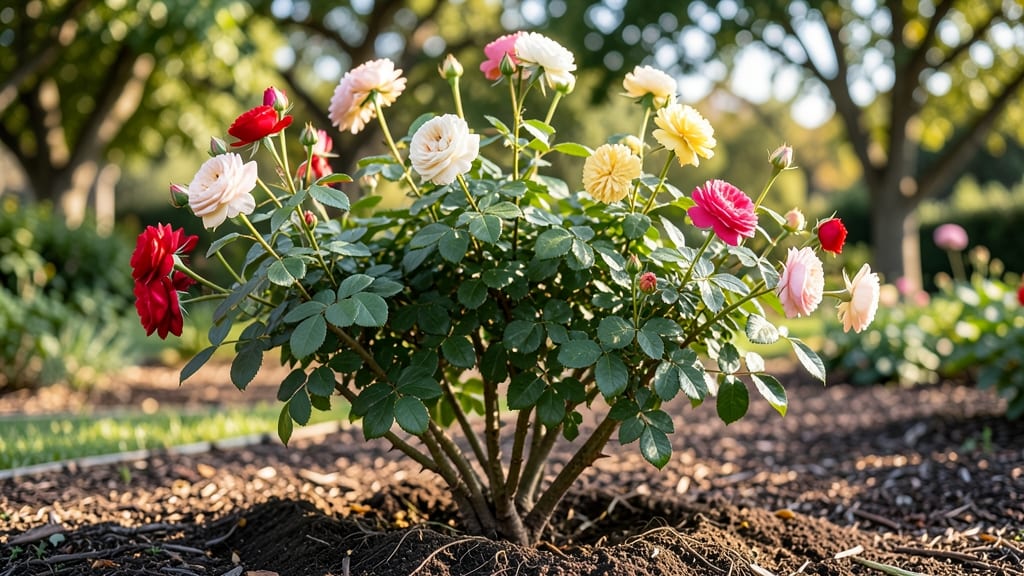
Creative rose bush garden ideas can elevate your outdoor space by combining fragrant varieties, bold color palettes, and architectural elements like arches or trellises—whether you're working with a cozy patio or a sprawling backyard. Mixing roses with perennials and seasonal flowers ensures vibrant displays throughout all four seasons.
Rose gardens thrive when you think beyond just the roses themselves. 🌹 The key is creating visual layers: start with dwarf roses or climbing varieties for height, then add companion plants like lavender or catmint to fill gaps and repel pests.
For small spaces, consider vertical gardens with roses trained along fences or walls—this saves ground space while adding dramatic vertical interest. In larger areas, you can create grand focal points with arches or obelisks draped in fragrant climbers like 'New Dawn' or 'Blaze'.
Don't forget about seasonal planning—pair spring-blooming roses with tulips or daffodils, then transition to summer perennials like coneflowers or salvia. This creates continuous color without overwhelming any single season.
The best rose gardens feel like living tapestries, where every element has purpose and the whole creates something greater than the sum of its parts.
💡 In This Article
- Design Principles for Stunning Rose Bush Gardens
- 15 Space-Saving and Grand Rose Garden Layouts by Yard Size
Design principles for stunning rose bush gardens
The foundation of a thriving rose garden lies in understanding how roses interact with their environment. Roses need 6-8 hours of direct sunlight daily—this triggers photosynthesis in their leaves, which produces the energy needed for blooming. Without sufficient light, roses become leggy and produce fewer flowers.
The science behind this is simple: sunlight drives chlorophyll production, and chlorophyll is what converts carbon dioxide and water into glucose (the plant's food).
For example, 'Knock Out' roses thrive in full sun, producing continuous blooms all season, while 'David Austin' English roses benefit from morning sun and afternoon shade in hot climates.
Proper spacing is another critical factor—most roses need 2-4 feet between plants, depending on variety. This spacing ensures good airflow, which prevents fungal diseases like black spot and powdery mildew. 🌿 The airflow also helps the foliage dry quickly after rain, reducing moisture that encourages pests.
For climbing roses, allow 6-8 feet of vertical space on trellises or arches. I've found that spacing roses too closely creates a humid microclimate where diseases spread rapidly, while proper spacing turns a garden into a disease-resistant ecosystem.
Color theory plays a surprising role in rose garden design. Roses with similar color tones (like pastel pinks and soft yellows) create a harmonious, calming effect, while contrasting colors (deep reds with bright whites) draw the eye and add drama.
The human brain perceives these color combinations as visually pleasing because they create balance in our visual processing. For example, pairing 'Double Delight' (deep pink) with 'Iceberg' (white) creates a striking contrast that pops in any garden setting.
Additionally, planting roses in odd-numbered groupings (3, 5, or 7 plants) creates natural focal points that feel more balanced than even-numbered clusters.
Companion planting isn't just about aesthetics—it's a strategic way to boost rose health. Plants like lavender, catmint, and thyme repel pests naturally by masking rose scents that attract aphids and Japanese beetles. The mechanism here is chemical: these herbs release volatile oils that disrupt insect communication and feeding patterns.
I've seen gardens where roses planted near garlic or chives experience up to 30% fewer pest issues compared to isolated rose bushes. Even the soil benefits—companion plants improve soil structure and attract beneficial insects like ladybugs and lacewings that prey on rose pests.
Seasonal layering transforms a rose garden from a seasonal highlight into a year-round masterpiece. Start with early spring bulbs like daffodils or crocuses to provide color before roses leaf out.
Then layer in perennials like peonies or daylilies that bloom alongside roses in summer, followed by fall foliage plants like Japanese anemones or ornamental grasses. This creates a continuous tapestry of color and texture.
The key is selecting plants with staggered bloom times—while roses may dominate in summer, the surrounding plants ensure the garden remains vibrant in other seasons.
Finally, consider the structural elements that elevate a rose garden from pretty to spectacular. Arches, obelisks, and pergolas not only provide support for climbing roses but also create architectural interest.
The secret to their effectiveness lies in the visual weight they add—tall structures draw the eye upward, making spaces feel larger and more inviting. For example, a 10-foot tall rose arbor covered in 'Climbing Iceberg' roses becomes a stunning focal point that frames pathways or garden entrances.
The fragrance released from these climbing varieties as they bloom adds another sensory layer, making the garden experience truly immersive.