
Landscaping
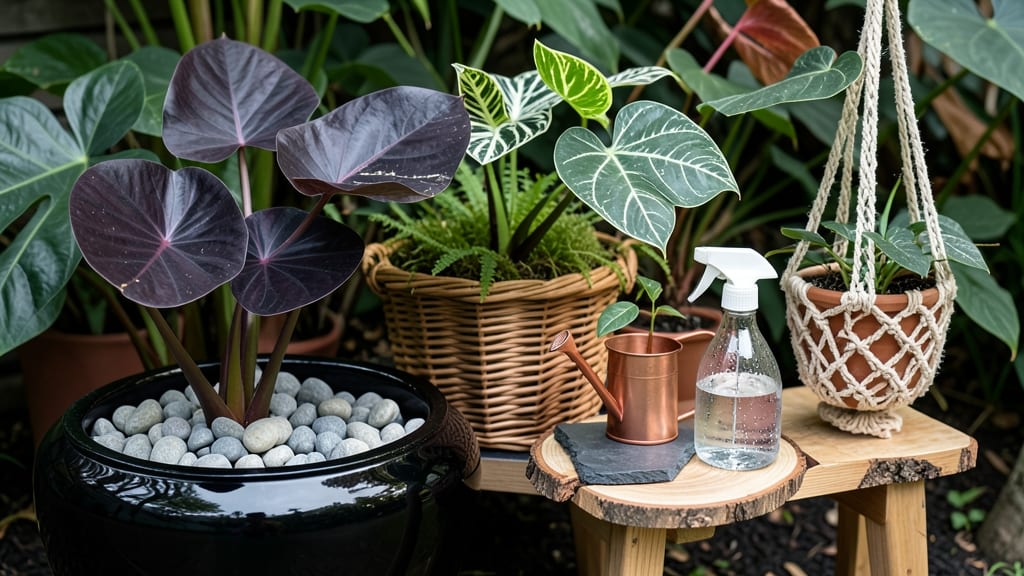
Your Alocasia garden ideas can turn even a small patio into a lush tropical escape, thanks to its bold, elephant-ear leaves that steal the show.
Picture this: a shady corner bursting with Alocasia 🌿 varieties, their deep veins and glossy surfaces catching the light like a jungle's secret. Whether you're working with containers or a full garden bed, these plants thrive in General (Tropical/Subtropical Climates) and bring drama to any space—even urban balconies.
But here's the thing: not all Alocasia are created equal. Some varieties like Alocasia Polly stay compact, perfect for tables, while others reach towering heights, making them ideal for fall garden borders or as a stunning centerpiece. The key? Matching the plant to your space and light conditions.
Inside, you'll discover 10 creative ways to style Alocasia—from mixed containers with ferns and calatheas to bold contrasts with black mondo grass. Plus, I’ll share my 3-step care routine to keep those leaves looking their best year-round, even if you're not in USDA zones 10-12.
Stunning Alocasia planting ideas for bold garden focal points
If you're dreaming of a tropical garden oasis with dramatic foliage, Alocasia plants are your secret weapon. Their elephant-ear leaves create instant visual impact, making them perfect for statement plantings in any outdoor space.
Whether you have a shaded patio, jungle-themed garden, or urban balcony, these bold beauties will transform your area into a lush paradise.
One of my favorite ways to showcase Alocasia is by using them as centerpiece plants in large containers. Pair a tall Alocasia Amazonica with moss-covered rocks and ferns for a mini tropical rainforest vibe.
The contrast between the glossy leaves and soft textures creates a stunning visual effect that draws the eye immediately.
For shaded garden borders, I recommend mixing Alocasia Polly with Calathea and Philodendron for a layered, lush look. The varied leaf shapes and textures add depth, while the rich greens create a cohesive, calming palette.
This combo works beautifully under dappled sunlight or in fully shaded areas where other plants might struggle.
| Planting Style | Best Varieties | Complementary Plants | Light Needs |
|---|---|---|---|
| Container Gardens | Alocasia Amazonica, Alocasia Zebrina | Ferns, Moss, Calathea | Bright Indirect |
| Shaded Borders | Alocasia Polly, Alocasia Regal Shield | Philodendron, Begonias, Hostas | Low to Medium |
| Tropical Themes | Alocasia Black Velvet, Alocasia Frydek | Bird of Paradise, Hibiscus, Bromeliads | Bright Indirect |
| Urban Patios | Alocasia Cucullata, Alocasia 'Dragon Scale' | Pothos, Peace Lilies, ZZ Plants | Medium Indirect |
For a tropical-themed landscape, I love combining Alocasia Black Velvet with Bird of Paradise and Hibiscus. The deep purple-black leaves of the Alocasia create a dramatic contrast against the vibrant blooms of tropical flowers.
This combo thrives in humid climates and works beautifully in large garden beds or as a focal point near water features.
If you're working with limited space, like a balcony or small patio, opt for compact varieties like Alocasia 'Dragon Scale' or Alocasia Cucullata. These smaller types still pack a punch with their textured leaves and grow well in hanging baskets or window boxes.
Pair them with trailing plants like Pothos or String of Pearls to create a multi-level display that maximizes vertical space.
Don’t overlook the power of color coordination when planting Alocasia. The velvety leaves of Alocasia Frydek pair beautifully with silver foliage like Eucalyptus or Dusty Miller. This monochromatic palette adds sophistication to any garden design.
For a bold pop of color, contrast Alocasia’s deep greens with bright reds from Coleus or Caladiums.
When arranging Alocasia in your garden, remember that odd numbers create more visual interest. Plant three Alocasia plants in a triangular formation for a natural, balanced look. This technique works well in garden beds, container arrangements, or even as a pathway border.
The asymmetrical placement will make your garden feel dynamic and intentional.
For low-maintenance tropical vibes, I suggest grouping Alocasia with succulents like Sedum or Echeveria in partial shade. While these plants have different water needs, their textural contrast creates a modern, eclectic garden that’s easy to care for.
Just ensure the Alocasia gets more moisture than the succulents to keep its leaves lush and healthy.
Finally, don’t forget to protect your Alocasia from direct sunlight and frost. If you're in a cooler climate, grow them in large containers that you can move indoors during winter.
With the right placement and care, your Alocasia will thrive year-round and remain the star of your garden. 🌿
Best Alocasia varieties for different garden settings
Choosing the right Alocasia variety can transform your garden into a lush tropical retreat. These stunning plants thrive in diverse settings, from shady corners to bright indoor spaces. Each variety offers unique foliage and care requirements, making them perfect for specific garden styles.
Let's explore the top picks that will elevate your outdoor or indoor decor while keeping maintenance manageable.
For compact spaces, Alocasia Polly is my go-to choice. This petite variety grows just 1-2 feet tall, making it ideal for indoor pots or small garden beds. Its velvety dark green leaves with striking white veins add elegant contrast to any setting.
In my own collection, I've seen it thrive in bright indirect light with minimal fuss, perfect for urban balconies or office desks.
If you're dreaming of a jungle-like atmosphere, Alocasia Amazonica delivers dramatic results. This large variety can reach up to 6 feet tall, creating a bold focal point in outdoor gardens or conservatories.
Its massive, glossy leaves create instant tropical vibes. However, it requires more space and consistent moisture—ideal for gardeners with dedicated shaded areas who want to make a statement.
For those seeking a versatile middle ground, Alocasia Zebrina offers the perfect balance. Growing 2-3 feet tall, it adapts well to both indoor containers and outdoor borders. Its striking purple stems and dark green leaves with white veins create visual interest year-round.
In my experience, this variety handles slightly lower humidity better than Amazonica, making it more adaptable for various climates.
| Variety | Height | Light Needs | Best For | Care Tip |
|---|---|---|---|---|
| Alocasia Polly | 1-2 ft | Bright Indirect | Indoor Pots, Small Gardens | Keep soil moist |
| Alocasia Amazonica | 4-6 ft | Indirect Light | Outdoor Gardens, Conservatories | High humidity required |
| Alocasia Zebrina | 2-3 ft | Bright to Medium | Indoor/Outdoor Flexibility | Moderate humidity tolerance |
When selecting your Alocasia variety, consider your space's light conditions and humidity levels. For instance, Alocasia Polly thrives in my sunroom where morning light filters through sheer curtains.
Meanwhile, my Alocasia Amazonica lives outdoors under a large shade tree, where it receives dappled sunlight and benefits from natural humidity. Both require well-draining soil mixed with organic matter to prevent root rot—a common issue with these tropical beauties.
Don't overlook seasonal adjustments when caring for your Alocasia. During winter months, indoor varieties like Polly may need less frequent watering, while outdoor Amazonica might require extra mulch to protect roots from cooler temperatures.
I've found that grouping Alocasia with other humidity-loving plants, like ferns or calatheas, creates a microclimate that benefits everyone in the collection.
Whether you're designing a mini indoor jungle or a lush outdoor garden, these Alocasia varieties offer endless possibilities. Start with one variety to test your care routine, then expand as you gain confidence.
The key is patience—these plants reward careful attention with breathtaking foliage that will be the envy of every gardener.