
Tools
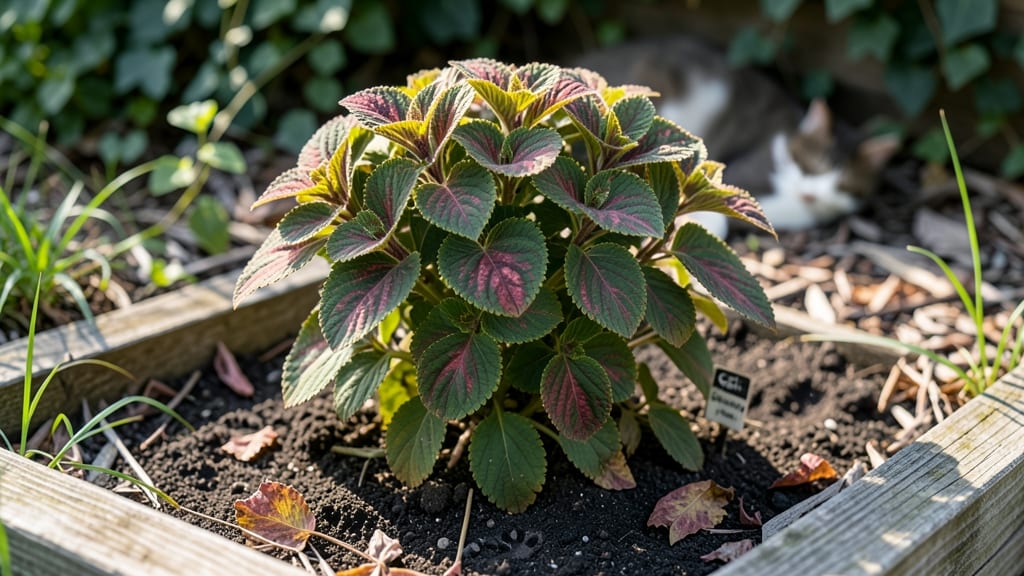
To repel cats from your garden, combine natural deterrents like citrus peels, vinegar sprays, or commercial repellents with physical barriers such as prickly mats or raised beds. This creates an unwelcome environment without harming the cats or your plants.
Cats have sensitive noses and dislike strong scents like citrus, garlic, and rosemary, which disrupt their natural marking instincts. 🐱 Physical barriers like sharp-edged mulch or thorny plants also work because cats prefer soft, easily dug soil.
The key is layering these methods—sprays alone won’t deter persistent cats, but combining them with obstacles makes your garden feel like a no-go zone.
For best results, reapply sprays every few days (especially after rain) and refresh physical barriers seasonally. Many gardeners swear by commercial repellents with pheromone mimics, which mimic feline warning signals. The goal is to make your garden feel like a place cats instinctively avoid—without trapping or harming them.
💡 In This Article
- Why Cats Avoid Certain Garden Scents and Textures
- Best Natural and DIY Cat Repellent Recipes for Gardens
Why cats avoid certain garden scents and textures
Cats rely heavily on their sense of smell—studies show they have up to 200 million olfactory receptors (compared to humans' 5 million)—making them ultra-sensitive to strong or unfamiliar scents. 🐾 Citrus oils like lemon or orange disrupt their natural marking behaviors because cats communicate through scent, and these oils interfere with their feline pheromone detection.
Similarly, garlic and rosemary contain sulfur compounds that mimic the smell of predators, triggering an instinctive avoidance response. Even the scent of vinegar (acetic acid) can irritate their nasal passages, creating discomfort.
Texture plays a crucial role too. Cats prefer soft, easily dug soil because it allows them to bury waste or scratch. Introducing rough mulch (like pine needles or wood chips) or thorny plants (such as barberry or holly) creates an unpleasant sensory experience.
These textures make digging difficult and can even cause minor discomfort to their paws. 🌿 Another effective tactic is using plastic spikes or prickly mats—cats avoid these because they associate them with physical discomfort, similar to how they avoid walking on hot pavement.
The science behind pheromone-based repellents is fascinating. Commercial products often contain felinine, a synthetic version of a cat's natural alarm pheromone.
When sprayed around the garden, this mimics the scent of a cat that's already marked the area as dangerous. 🐱 The effect is psychological: cats instinctively avoid areas that "smell" like another cat has warned them away.
This method is humane and works even on territorial cats because it plays on their natural communication instincts.
Seasonal changes also impact effectiveness. In warmer months, cats seek shade and moisture, so placing repellent sprays near their favorite resting spots (like under bushes) is key.
During colder months, they may dig more aggressively to stay warm, making physical barriers like raised beds even more critical. 🌡️ The key is consistency—cats learn patterns, so rotating deterrents (e.g., switching between citrus and vinegar sprays) keeps them guessing and reinforces the "off-limits" message.
For maximum impact, combine scents and textures strategically. For example, sprinkle crushed citrus peels along garden edges while placing spiky mulch near high-traffic areas. This multi-sensory approach mimics how cats naturally avoid threats—both visually and olfactorily.
Over time, your garden will feel like a place they instinctively bypass, all without causing harm.