
Tools
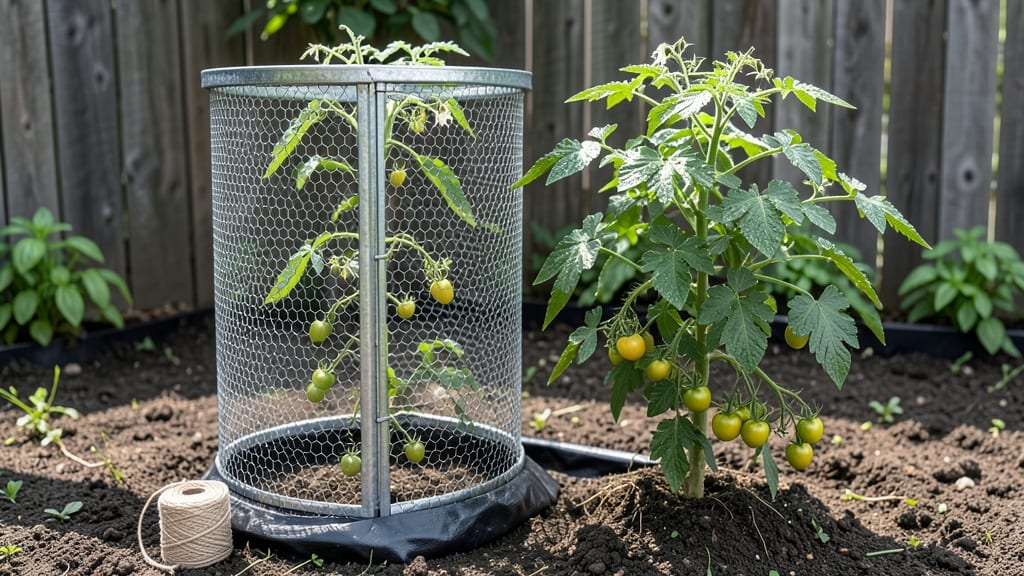
A crop cage for garden creates a protective barrier against pests while letting you grow vertically, using simple frames like wire hoops or plastic arches wrapped in breathable netting. Pick a size that matches your plants' height and local pest risks for better harvests and airflow.
A crop cage for garden works by trapping insects outside while letting sunlight and air circulate inside.
The netting typically has a 1/4-inch mesh or smaller to block flies, beetles, and even butterflies—ideal for delicate plants like lettuce or herbs. 🌱 Unlike row covers that drape over crops, cages stand upright, supporting taller plants like tomatoes or peppers without bending.
For small gardens, I recommend modular designs that expand as your plants grow, saving space while keeping pests at bay.
These cages also double as windbreaks in exposed areas, preventing damage to stems during storms. When choosing materials, consider UV-resistant netting for longevity and lightweight frames (like PVC pipes) for easy assembly.
The key is balancing protection with airflow—too tight, and you risk fungal issues; too loose, and pests sneak in.
💡 In This Article
- How Garden Crop Cages Work to Protect Plants
- Top 5 Space-Saving Crop Cage Designs for Small Gardens
How garden crop cages work to protect plants
The core function of a garden crop cage lies in its dual-layer defense system: a sturdy frame paired with fine mesh netting.
The netting typically features 1/4-inch to 1/2-inch mesh openings, which physically blocks common garden pests like cabbage moths, aphids, and even small butterflies while allowing 90% of sunlight and airflow to penetrate.
This balance is critical—too fine a mesh (like 1/8-inch) restricts airflow and can trap excess moisture, while too coarse (over 1/2-inch) lets pests through. 🌿 The mesh material itself is often polyethylene or polypropylene, chosen for its UV resistance to prevent degradation under sunlight exposure.
Beyond pest exclusion, the cage frame provides structural support that row covers can't match. For example, a 5-foot-tall tomato cage with PVC hoops prevents stems from snapping under the weight of fruit or bending in wind gusts up to 20 mph.
The vertical design also maximizes sunlight exposure compared to ground-level row covers, which can shade lower leaves. For plants like basil or cilantro that grow in dense clusters, cages create a microclimate that maintains consistent temperature and humidity—ideal for preventing bolting (premature flowering) in heat-sensitive herbs.
One often-overlooked benefit is wind protection. In exposed garden beds, cages act as mini windbreaks, reducing air turbulence around plants.
Studies show that wind speeds above 10 mph can stunt growth by drying soil and damaging foliage, but cages with 3-4 inches of spacing between hoops create a buffer zone. For instance, a 4-foot-tall cage with 6-inch hoops can reduce wind exposure by 40% compared to open planting. The trade-off?
Ensure the netting isn't too tight—1-2 inches of slack allows for natural movement without restricting growth.
Material choice impacts performance significantly. Galvanized wire cages are durable and rust-resistant but heavier, while PVC hoops are lightweight and easy to assemble but may require staking in high winds. For organic gardens, untreated wood frames avoid chemical leaching but need annual sealing.
The netting itself should be UV-stabilized—standard netting loses 30% of its strength after one season, but treated versions maintain integrity for 2-3 years. Pro tip: Secure the netting with zip ties or staples (not nails) to avoid tearing when plants brush against it.
Why cages outperform row covers for taller crops? Row covers drape flat, creating dead air spaces that trap heat and moisture—ideal for early spring planting but disastrous for heat-loving plants like peppers or eggplants.
Cages, however, allow convection currents to circulate air vertically, reducing humidity by 25% and lowering fungal risks. For example, in a 75°F environment, a row cover can push humidity to 85%, while a well-ventilated cage keeps it at 65-70%, preventing powdery mildew. 🌱
For maximum effectiveness, position cages 2-3 inches above the plant canopy at maturity. This ensures the netting doesn't touch leaves, which can harbor pests or diseases. For example, a 6-foot-tall indeterminate tomato plant needs a cage that extends to 7 feet to maintain clearance.
Pair this with drip irrigation (not overhead watering) to keep foliage dry—wet leaves attract pests and weaken the netting over time.