
Tools
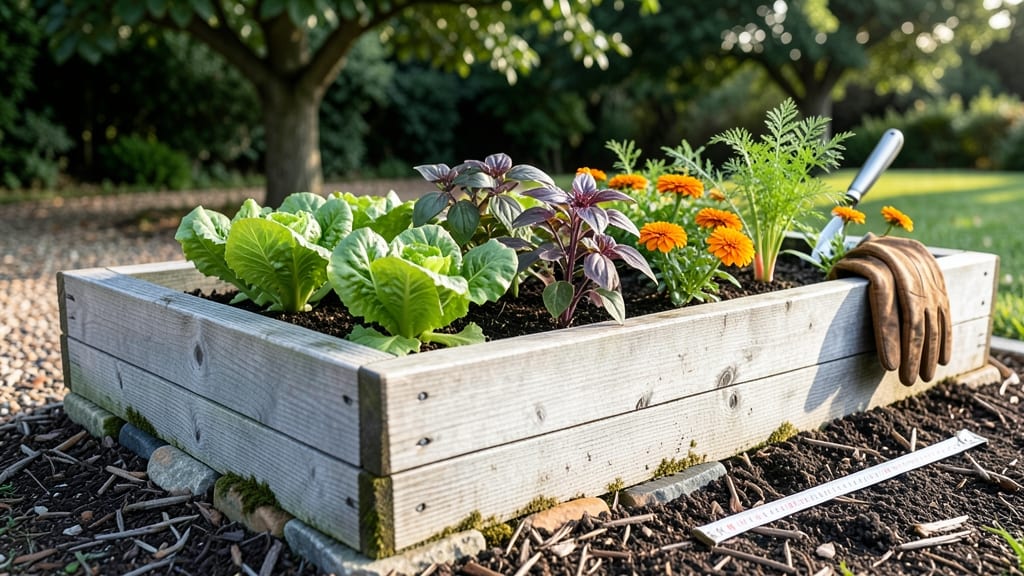
Determining garden bed height depends on your plants' needs, with standard beds sitting at 6 to 12 inches for most vegetables and herbs, while root crops like carrots or potatoes thrive in raised beds up to 18 inches deep. The right height promotes better drainage, deeper root development, and easier maintenance while keeping weeds at bay.
Getting the garden bed height right isn't just about aesthetics—it directly impacts how well your plants grow. 🌱 Shallow-rooted plants like lettuce or basil do fine in beds just 6 inches deep, but deeper-rooted varieties such as tomatoes or sweet potatoes need that extra soil space to spread out comfortably.
I've found that taller beds also make gardening easier on your back while keeping soil warmer and better-drained, especially in cooler climates.
Another key factor is accessibility. If you struggle with bending, a taller bed (12-18 inches) lets you work from a standing position without straining. For container gardening or urban spaces, even smaller heights (4-6 inches) can work if you're growing shallow-rooted plants like herbs or greens.
The goal is always balancing plant needs with your own physical comfort and the practicalities of soil management.
💡 In This Article
- How Garden Bed Height Affects Root Growth and Soil Health
- Choosing the Best Garden Bed Height for Your Plants
How garden bed height affects root growth and soil health
Root development thrives when soil depth matches a plant's natural growth patterns. Shallow-rooted plants like lettuce or radishes only need 4-6 inches of soil because their roots spread horizontally rather than vertically.
In contrast, deep-rooted crops such as carrots or asparagus require 12-18 inches to access nutrients and water from lower soil layers. The deeper the bed, the more space roots have to explore, which translates to stronger plants that can better withstand drought or poor soil conditions.
Drainage is another critical factor influenced by bed height. A 6-inch bed drains quickly but may dry out too fast for moisture-loving plants like spinach. Raising the bed to 12 inches adds insulation, keeping soil temperatures more stable and preventing water from pooling at the bottom.
This is especially important for clay-heavy soils where water can become stagnant, leading to root rot. The ideal height creates a balance—enough depth for roots but not so deep that waterlogging becomes an issue.
Soil aeration improves with taller beds because the increased volume allows for better oxygen circulation around roots. Compacted soil, common in ground-level gardens, restricts root growth and microbial activity. A raised bed with 12-18 inches of loose, well-amended soil provides the perfect environment for earthworms and beneficial fungi to thrive.
These organisms break down organic matter, releasing nutrients that plants can absorb more efficiently. Think of it like giving your plants a spa treatment—they get better circulation, hydration, and nourishment.
Nutrient retention also benefits from taller beds. Organic matter like compost decomposes more slowly in deeper soil, providing a steady release of nutrients over time. For example, a 12-inch bed filled with compost-rich soil can sustain heavy feeders like tomatoes for an entire season without frequent top-dressing.
Shallower beds (6 inches) require more frequent fertilization because nutrients leach out faster. The deeper the bed, the more "banked" nutrients you have for your plants to tap into.
Consider the texture of your soil too—sandy soils drain too quickly in shallow beds, while clay soils can become waterlogged. A 12-inch bed with a mix of compost and sand creates the perfect medium: it holds moisture without suffocating roots.
This is why many gardeners swear by raised beds—they let you customize the soil mix to match your plants' needs, regardless of what's already in the ground. 🌱
Finally, bed height impacts weed competition. Taller beds (12+ inches) block sunlight from reaching weed seeds, reducing germination. Shallower beds (6 inches) leave more space for weeds to grow, requiring more weeding effort.
The deeper the soil, the harder it is for weeds to establish themselves, giving your plants a competitive edge from the start.