
Tools
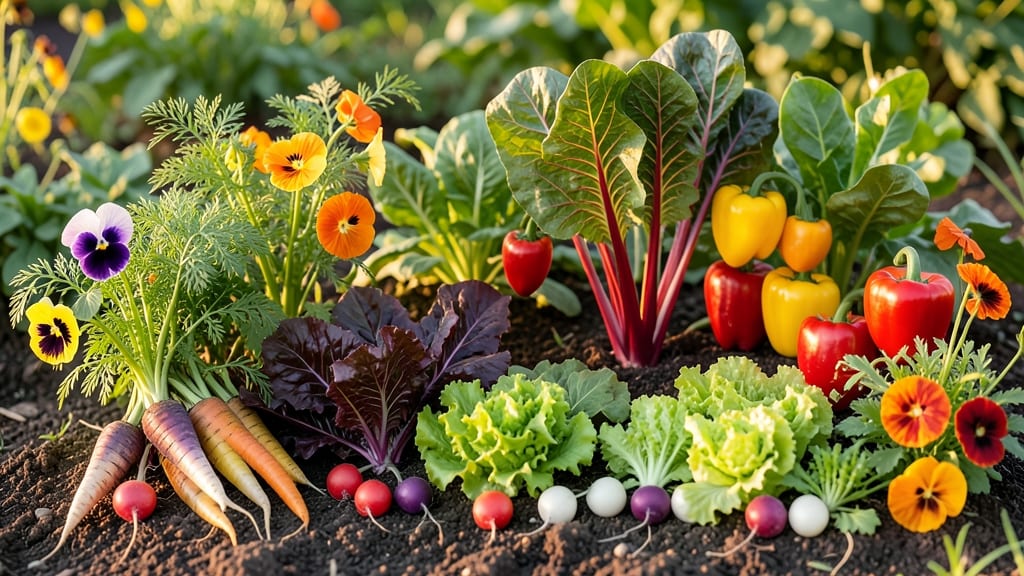
A rainbow garden menu organizes seasonal dishes by plant colors to boost nutrition, create visual appeal, and balance flavors—like pairing purple cabbage with quinoa or yellow squash with lemon dressing.
This approach isn't just about aesthetics—it's a smart way to ensure you're getting diverse nutrients from every color group. 🌈 For example, reds like tomatoes and beets pack antioxidants for heart health, while greens such as kale and spinach provide detoxifying chlorophyll.
I've found that planning meals this way makes grocery shopping more intentional, too—you naturally reach for a wider variety of produce instead of sticking to the same old staples.
Seasonality plays a huge role in making this work. Spring brings vibrant greens and purples, while fall offers deeper reds and oranges. The key is to rotate your color palette with the seasons while keeping storage in mind—some hues like blueberries or radishes last longer than others.
When budget is tight, swapping in frozen berries or canned beets can keep your rainbow vibrant without breaking the bank.
💡 In This Article
- Why Color Matters in Plant-Based Nutrition
- Seasonal Rainbow Garden Menu Planning Guide
Why color matters in plant-based nutrition
The vibrant hues in your produce aren't just for show—they're nature's way of packing nutrients with specific health benefits. Each color group contains unique phytonutrients that work synergistically. For instance, red vegetables like tomatoes and beets contain lycopene and betalains, which support heart health and reduce inflammation.
Meanwhile, purple foods such as eggplant and blueberries are rich in anthocyanins, powerful antioxidants that may lower blood pressure and improve brain function. 🔥
Green vegetables like spinach and broccoli provide chlorophyll and lutein, which aid detoxification and eye health, while yellow/orange foods (think carrots and bell peppers) offer beta-carotene for immune function. The white category—onions, cauliflower—contains alliin, which may help regulate blood sugar.
What's fascinating is how these compounds often work better together than alone. For example, pairing red tomatoes with green basil increases lycopene absorption by up to 40% due to the fat-soluble nature of these nutrients.
Seasonal availability also dictates which colors shine. Spring brings light greens (asparagus, peas) and purples (radishes, violets), while fall delivers deep reds (apples, cranberries) and oranges (sweet potatoes). This natural rotation ensures you're getting the most potent nutrients at their peak.
I've noticed that summer menus often lean toward yellows (corn, lemons) and whites (zucchini, mushrooms), while winter dishes incorporate more reds and purples for warmth and immune support. 💫
Beyond nutrition, color coordination creates flavor harmony through complementary tastes. Sweet reds (like strawberries) balance bitter greens (kale), while earthy browns (mushrooms) ground bright yellows (turmeric). This principle is why a rainbow garden menu feels so satisfying—each bite offers a sensory experience that's both nutritious and delightful.
The key is to aim for at least 3-4 colors per meal to maximize benefits without overwhelming your palate.
What most people don't realize is that color intensity often correlates with nutrient density. For example, deep purple cabbage has 30% more anthocyanins than light green varieties. When planning meals, prioritize organic or heirloom varieties when possible—they tend to have more vibrant colors and higher nutrient levels.
A simple trick is to arrange your plate like a rainbow: place reds at the top, oranges next, then yellows, greens, blues/purples, and browns at the bottom. This visual guide ensures balanced nutrition at every meal. ✨
For those new to this approach, start with easy swaps: replace white rice with purple quinoa, or add red bell peppers to salads instead of green. The beauty of a rainbow garden menu is that it transforms grocery shopping into a nutrient-hunting adventure.
Each color becomes a mission to discover new flavors while ensuring your body gets the full spectrum of plant-based goodness. 🌈