
Tools
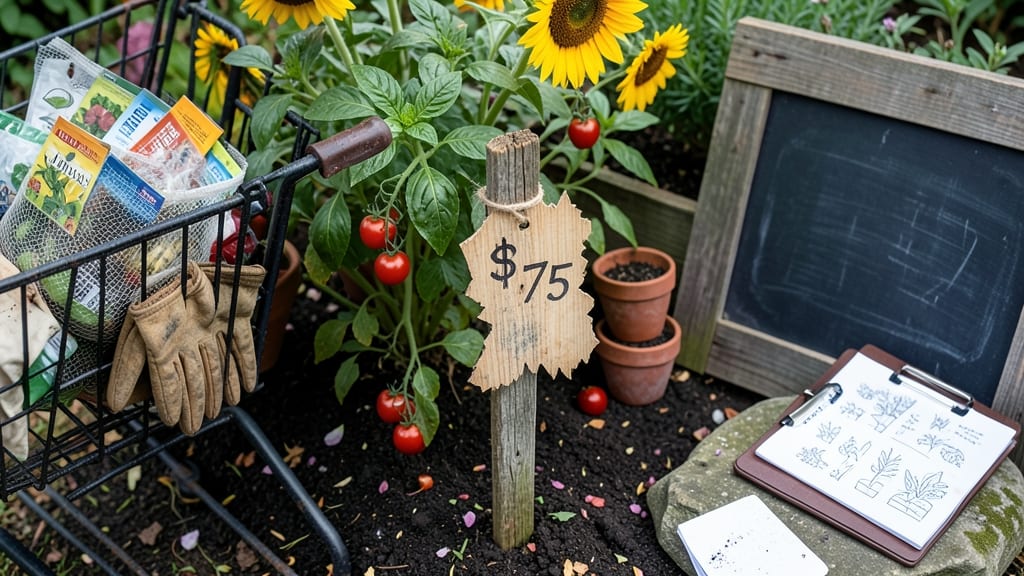
Determining the price of a garden costs anywhere from $200 for a modest container setup to over $10,000 for a full-scale landscape with premium plants, irrigation systems, and hardscaping elements. Your total investment hinges on project scope, soil preparation, plant choices, and whether you DIY or hire professionals.
The price of a garden breaks down dramatically based on scale and ambition.
A small container garden might only require potting soil, a few herbs, and basic tools, while a backyard landscape adds expenses like soil amendments, mulch, irrigation, and hardscaping materials. 🌱 Regional differences also play a role—nursery prices vary by location, and labor costs can double depending on your area.
I've seen container gardens start under $100 but expand quickly when adding decorative elements or specialty plants.
Even on a budget, smart planning can stretch your dollars. For example, native plants often require less water and maintenance than exotic varieties, while perennials provide long-term value compared to annuals.
Bulk purchasing seeds or dividing existing plants can cut costs significantly—just be prepared for a slower establishment period. The key is balancing upfront savings with long-term enjoyment and plant health.
💡 In This Article
- Factors Affecting Garden Cost by Size and Type
- Budget-Friendly Garden Design Strategies
Factors affecting garden cost by size and type
Soil preparation is often the first major expense in garden creation, especially for larger spaces.
A 100-square-foot area may require 5-10 cubic yards of topsoil or compost, costing $150-$300 delivered, while poor native soil might need $200-$500 in amendments like sand, peat moss, or organic matter to improve drainage and fertility. 🌱 For raised beds, the cost jumps further with lumber—6-foot cedar beds run $150-$300 each, while pre-made kits can exceed $500 for premium designs.
Plant materials create another significant cost tier. A small container garden with 5-10 plants might cost $50-$150, but a 500-square-foot perennial border could require $1,000-$3,000 in mature specimens. Wholesale nurseries offer 30-50% discounts on bulk purchases, while rare or heirloom varieties can add $20-$100 per plant.
The choice between annuals ($2-$10 per plant) and perennials ($5-$50+) also dramatically affects long-term costs—perennials establish in 2-3 years but return annually, while annuals require yearly replacement.
Irrigation systems represent a major investment for larger gardens. A basic drip irrigation setup for 500 square feet costs $200-$500, while a sprinkler system with timer and zones can reach $1,000-$3,000.
Labor costs escalate quickly—installing a 100-foot drip line might take 4-6 hours at $50-$100/hour for professionals, versus 1-2 hours for DIYers. 💧 In drought-prone regions, water-efficient systems like soaker hoses ($1-$3 per foot) or rainwater collection barrels ($50-$200) can cut ongoing water bills by 30-50%.
Hardscaping elements—paths, patios, and retaining walls—add both aesthetic value and cost. Gravel paths cost $3-$10 per square foot installed, while paver walkways range from $10-$30 per square foot depending on material.
Retaining walls made from concrete blocks average $15-$30 per square foot, while natural stone can exceed $50 per square foot. The labor-intensive nature of these projects often makes DIY attempts risky—uneven bases or poor drainage can lead to costly repairs within 1-2 years.
Regional price variations create another layer of complexity. In urban areas, delivery fees for soil and plants can add 10-20% to costs, while rural locations may offer cheaper bulk materials but higher labor rates for specialized work.
For example, a 5-gallon shrub might cost $15 in Texas but $25 in New England due to climate-adapted stock. Local climate also affects long-term costs—salt-tolerant plants in coastal areas cost 20-30% more than standard varieties, while drought-resistant succulents can reduce irrigation needs by 40-60% in arid regions.
Labor costs present the most dramatic DIY vs. professional divide. A weekend gardener might spend $100-$300 on tools and supplies to install a 200-square-foot garden, while hiring a landscaper could cost $2,000-$5,000 for the same project.
The break-even point often occurs around 500 square feet, where professional installation saves 20-40 hours of labor time. However, specialized work like pond installation or orchard planting typically requires professional expertise to avoid costly mistakes.
What most people overlook is the hidden costs of maintenance—fertilizers ($20-$100 annually), pest control ($50-$300 per season), and tool replacements ($100-$500 every 3-5 years) can add 10-20% to your initial investment annually.
Planning for these ongoing expenses ensures your garden remains sustainable without unexpected financial strain. 💰