
Pruning
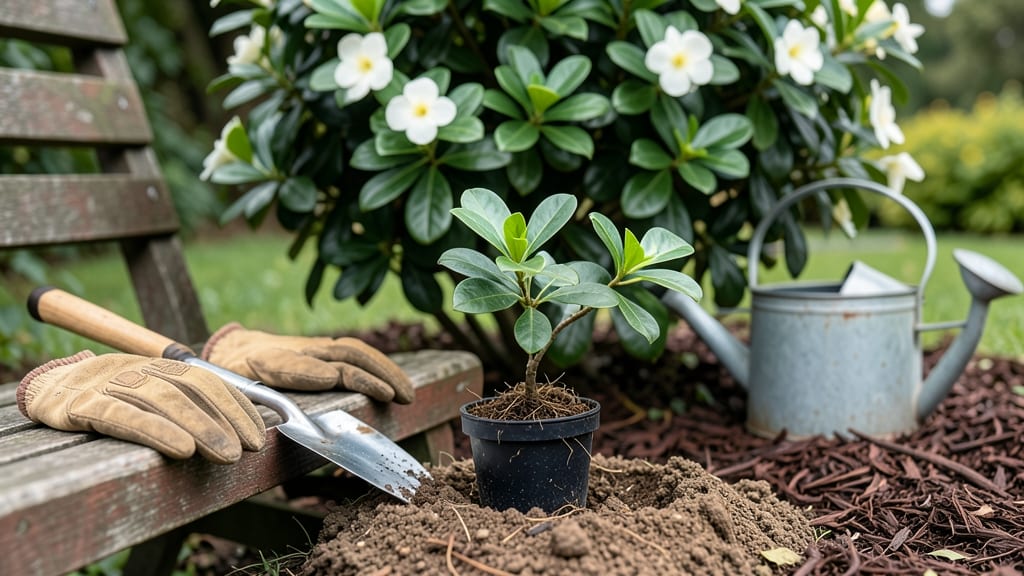
Planting a gardenia tree requires warm spring or early summer timing, well-draining acidic soil (pH 5.0–6.5), and full sun exposure (6+ hours daily) to thrive. Avoid transplant shock by watering deeply after planting and mulching to retain moisture.
Gardenias are finicky but rewarding when you nail the basics. 🌸 The key to their success lies in mimicking their natural tropical habitat—think warm temperatures, slightly acidic soil, and consistent moisture without soggy roots.
I’ve found that planting in late spring lets the roots establish before summer heat, while mulching with pine bark helps maintain that critical pH balance over time. These plants are frost-sensitive, so if you’re in cooler zones, container growing with winter protection might be your best bet.
Don’t overlook the importance of sunlight—gardenias need at least six hours of direct light daily to produce those iconic fragrant blooms. Partial shade can lead to leggy growth and fewer flowers.
When planting, dig a hole twice as wide as the root ball but no deeper, then mix in compost or peat moss to boost acidity. Water thoroughly after planting, then keep the soil evenly moist (but never waterlogged) for the first month to encourage strong root development.
💡 In This Article
- Optimal Conditions for Gardenia Tree Growth
- Step-by-Step Gardenia Tree Planting Guide
Optimal conditions for gardenia tree growth
Gardenias thrive because their native tropical habitats demand specific conditions that mimic their natural environment. The acidic soil (pH 5.0–6.5) is critical because gardenias have evolved to absorb nutrients efficiently in these conditions.
In alkaline soils (pH 7.0+), nutrient uptake—especially iron and manganese—becomes difficult, leading to yellowing leaves (chlorosis) even when the plant appears otherwise healthy. Think of it like a tropical plant's version of a "perfect pH cocktail" that unlocks their full potential.
Full sun exposure (6+ hours daily) triggers the biological processes behind those signature creamy white blooms. Gardenias use sunlight to produce energy through photosynthesis, but they also rely on it to stimulate flowering.
Without adequate light, the plant diverts energy toward leaf growth instead of blooms, resulting in fewer flowers. In my experience, gardenias grown in partial shade often produce 30-50% fewer flowers compared to those in full sun, and the blooms tend to be smaller and less fragrant.
The climate range (USDA zones 7–11) reflects gardenias' sensitivity to cold. Temperatures below 32°F can cause irreversible damage to the leaves and buds, while prolonged exposure to 50°F or lower stunts growth. This is why gardenias in cooler zones often struggle—even a single frost can kill the plant outright.
The solution? Mulching with pine bark or pine needles (which naturally acidify the soil) helps insulate roots and maintain stable temperatures. 🌿
Root health is another often-overlooked factor. Gardenias have a shallow, fibrous root system that needs well-draining soil to prevent rot. Waterlogged conditions suffocate roots by cutting off oxygen, which is why amending clay-heavy soils with sand or perlite is essential.
I’ve seen gardenias planted in unamended clay soil develop root rot within weeks, despite regular watering. The key is to mimic the loose, airy texture of their native tropical forest floors.
Seasonal timing matters too. Planting in late spring or early summer gives roots time to establish before winter dormancy. If you plant in fall, the roots may not harden off enough to survive the first frost.
In warmer zones, gardenias can bloom year-round, but in cooler areas, they typically flower in spring and summer when temperatures are ideal. This seasonal rhythm is hardwired into their biology—like a built-in clock that tells them when to push out new growth and blooms.
Finally, gardenias are heavy feeders, especially during bloom season. Their fragrant flowers require a steady supply of nutrients like phosphorus and potassium, which is why a balanced fertilizer (10-10-10 or 20-20-20) applied every 4-6 weeks during growing season keeps them thriving.
Without this, you’ll notice smaller leaves, fewer blooms, and a general lack of vigor. It’s like giving them a tropical vacation—all the right conditions to shine! ✨