
Tools
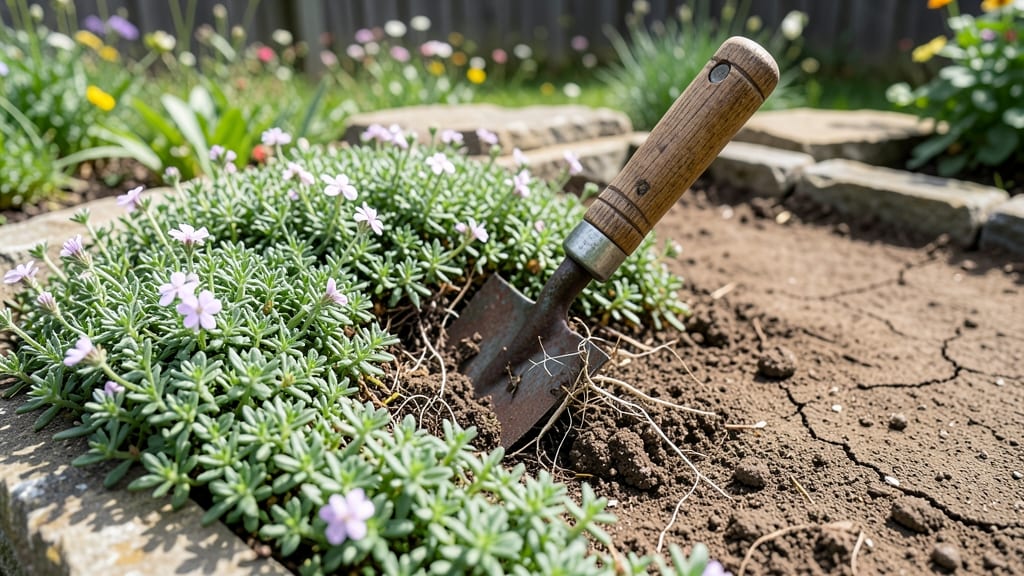
Tilling the garden means turning and aerating soil to boost drainage, break up hardpan layers, and create an ideal environment for roots to spread and establish. This process also blends in compost or organic matter while suppressing weeds before planting.
When you till the garden, you're essentially giving your soil a deep breath of fresh air—literally.
The mechanical action of a tiller or even a simple garden fork disrupts compacted layers that often form from foot traffic or natural settling, allowing roots to penetrate deeper. 🌱 This isn't just about making planting easier; it's about creating a living ecosystem where beneficial microbes can thrive and nutrients become more accessible to plants.
I've noticed that properly tilled soil holds moisture better while still draining excess water, which is crucial for preventing root rot in heavy clay soils.
There's a common misconception that tilling is always beneficial, but timing and technique matter. Over-tilling can actually harm soil structure by destroying beneficial fungal networks and exposing organic matter to rapid decomposition.
That's why many experts now recommend minimal tilling—just enough to prepare seedbeds or incorporate amendments without turning the soil completely. For established gardens, I often use a broadfork instead, which aerates without the same level of disruption.
💡 In This Article
- How Tilling Improves Soil Structure and Plant Health
- Best Practices for Tilling Gardens Without Harming Soil
How tilling improves soil structure and plant health
Tilling physically breaks apart compacted soil layers that develop over time from foot traffic, machinery, or natural settling. These hardpan layers can restrict root growth by up to 70%, forcing plants to struggle in a shallow soil zone.
When you till, you're essentially creating channels for roots to explore deeper—think of it like building a highway system for your plants' underground network. The mechanical action also disrupts the tight soil particles, increasing pore space which improves both oxygen circulation and water infiltration.
The real magic happens at the microscopic level. Soil contains tiny air pockets that plants need for respiration—without proper aeration, roots suffocate. Tilling increases these air pockets by 30-50% in compacted soils, while also helping water drain more efficiently.
This balance is crucial because too much water (like in clay soils) can drown roots, while too little (in sandy soils) prevents plants from accessing nutrients. The process also mixes organic matter throughout the soil profile, creating a more uniform growing medium that supports beneficial microbial activity.
One often overlooked benefit is weed suppression. Tilling buries weed seeds deeper where they're less likely to germinate, while exposing existing weeds to sunlight where they dry out. However, this only works for annual weeds—perennial weeds like dandelions often regrow from deep roots.
The key is timing: tilling just before planting gives you a clean slate while the soil is still loose and receptive to seeds. I've found that a single pass with a tiller at 4-6 inches deep is often sufficient for most vegetable gardens.
For organic matter incorporation, tilling becomes even more valuable. When you work compost or aged manure into the soil, it breaks down more evenly and becomes available to plants over time. The physical disturbance also helps prevent thatch buildup—a layer of dead plant material that can smother roots.
But here's the catch: tilling too frequently can actually accelerate organic matter decomposition, releasing nutrients too quickly rather than gradually over seasons. That's why many gardeners now use a technique called "bio-tilling" where they only till when incorporating major amendments.
Consider the difference between clay and sandy soils: clay benefits most from tilling because it naturally compacts when wet, while sandy soils rarely need it as they drain too quickly.
The ideal tilled soil has a crumbly texture that holds its shape when lightly squeezed—a perfect balance between structure and porosity. This texture also promotes better seed-to-soil contact, which is why many gardeners till seedbeds to ensure good germination rates. 🌱
The science of soil tilth (the ideal soil structure) shows that properly tilled soil should have about 50% solid material (minerals and organic matter) and 50% pore space (air and water). This ratio creates the perfect environment for root growth and microbial activity.
When you achieve this balance, you'll notice plants establish faster, handle drought better, and produce stronger yields—all signs of healthy soil structure from proper tilling.