
Tools
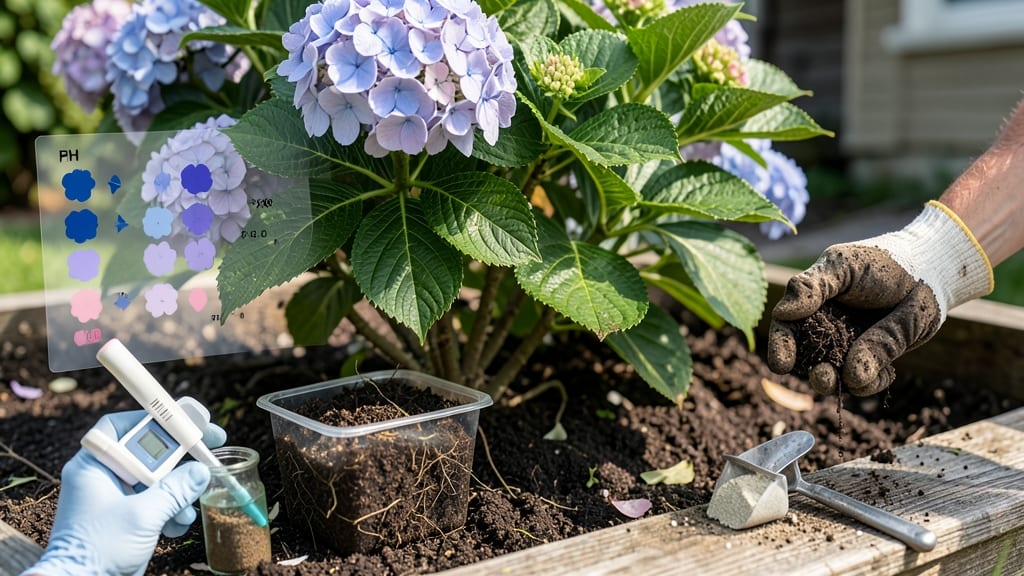
Soil pH in gardening controls whether your plants get the nutrients they need to thrive. Most vegetables prefer a neutral range of 6.0–7.0, while acid-loving plants like blueberries and azaleas require pH levels between 4.5–6.0 for proper nutrient uptake.
Understanding soil pH isn't just about numbers—it's about unlocking the right balance for your plants. The pH scale measures how acidic or alkaline your soil is, and this directly affects which nutrients are available to your plants' roots.
For example, iron and manganese become more available in acidic soils (pH 5.0–6.0), which is why blueberries and hydrangeas love it, while calcium and phosphorus are more accessible in slightly alkaline conditions (pH 7.0–7.5).
Getting it wrong can lead to yellowing leaves, stunted growth, or even plant death, so testing your soil every few years is a game-changer. 🌱
If your soil is too acidic, you can raise the pH by adding lime or wood ash, while sulfur or pine needles help lower it. The key is patience—adjustments take time, and overdoing it can throw off the balance even more.
I always recommend starting with a simple soil test kit before making changes, as it gives you a clear roadmap for what your garden truly needs.
💡 In This Article
- How Soil PH Impacts Nutrient Absorption in Plants
- Testing and Adjusting Soil PH for Different Garden Plants
How soil PH impacts nutrient absorption in plants
Soil pH directly controls which nutrients plants can absorb by altering their chemical forms. At a pH of 6.0–7.0, most essential nutrients like nitrogen, phosphorus, and potassium exist in soluble forms that roots can easily uptake.
However, when pH drifts outside this range, nutrients either become locked away or turn toxic. For example, in acidic soils (pH 5.0), iron and manganese become highly soluble but can reach toxic levels, causing brown spots on leaves.
Conversely, in alkaline soils (> pH 7.5), phosphorus binds tightly to soil particles, making it unavailable even if present in abundance.
The magic happens at the root zone where hydrogen ions (H+) compete with essential nutrients for absorption sites.
At pH 6.0, the balance is nearly perfect for most plants, but at pH 4.5, aluminum and manganese become soluble toxins, while at pH 8.0, calcium and magnesium dominate, crowding out micronutrients like zinc and iron.
This is why blueberries (which need pH 4.5–5.5) show yellow leaves when soil is too alkaline—they can't access the iron they desperately need. 🌿
Extreme pH levels also disrupt microbial activity in the soil. Beneficial bacteria and fungi that help break down organic matter thrive around pH 6.0–7.0, but become stressed outside this range.
This means even if you add fertilizer, your plants won't get the full benefit because the soil ecosystem isn't functioning properly. For instance, mycorrhizal fungi—critical for phosphorus uptake—struggle to form symbiotic relationships with roots when soil pH is below 5.5 or above 8.0.
Here's what happens when pH gets out of whack:
- Too acidic (pH 4.0–5.0): Aluminum and manganese toxicity causes brown leaf tips, stunted growth, and poor root development.
- Too alkaline (> pH 7.5): Iron, zinc, and manganese become unavailable, leading to yellowing between leaf veins (chlorosis) and weak stems.
- Neutral range (pH 6.0–7.0): Optimal nutrient availability and microbial activity for most vegetables, herbs, and grains.
Even within preferred ranges, small pH shifts matter. For instance, strawberries prefer pH 5.5–6.5, but at pH 6.0, they'll absorb more calcium (strong stems) while at pH 5.5, they'll uptake more iron (darker green leaves).
This is why soil testing isn't just about hitting a single number—it's about understanding how tiny adjustments can unlock better growth. The goal isn't perfection, but balance tailored to what your plants actually need.
What most gardeners overlook is that pH affects nutrient ratios, not just availability. For example, tomatoes need equal parts nitrogen, phosphorus, and potassium, but at pH 6.5, they'll absorb these in perfect harmony.
At pH 7.5, phosphorus becomes scarce while calcium floods in, leading to blossom-end rot despite plenty of fertilizer. This is why adjusting pH isn't just about fixing deficiencies—it's about creating the right environment for nutrients to work together. 🌱