
Planting
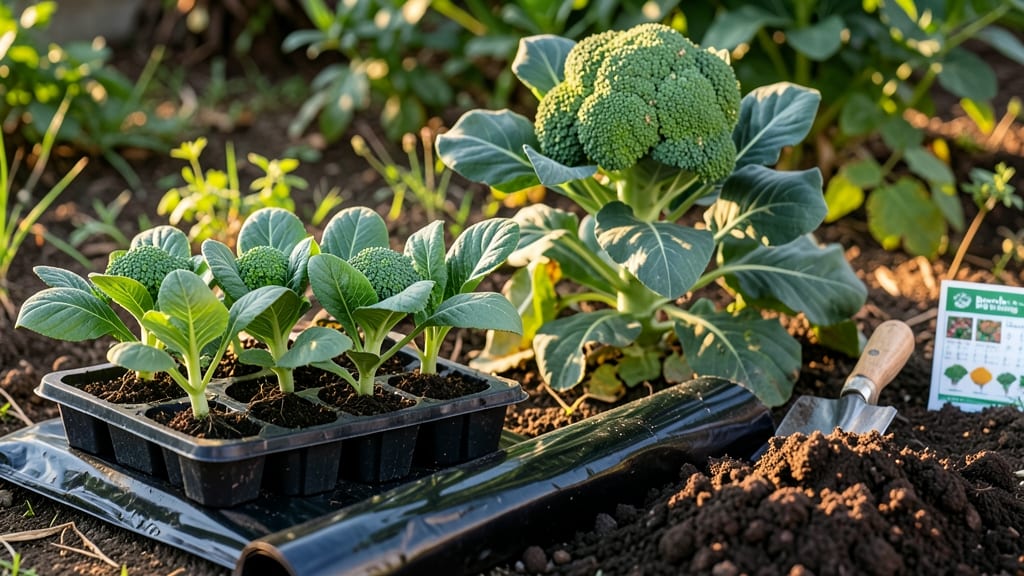
To plant a fall garden in Florida, start August through October—but the exact timing depends on your region and which crops you’re growing.
Florida’s long growing season isn’t just for spring—fall gardens can be just as bountiful, but timing is everything to beat the heat and avoid early frost. Plant too soon, and your crops will wilt; too late, and frost might sneak in (especially in North Florida).
Here’s exactly when to start your 🌱 fall garden for maximum success.
Unlike northern states, Florida rarely faces frost, but heat is the real enemy. The key is planting when soil temperatures drop below 85°F—usually by mid-August in South Florida or early September in the Panhandle. This window gives seedlings time to establish roots before cooler weather arrives.
Below, I’ll break down the best planting dates by region, the top heat-tolerant crops for fall, and soil prep tips to ensure your garden thrives—no wilting in sight.
Optimal planting dates for Florida’s fall garden by region
Florida’s fall garden success hinges on understanding your region-specific heat thresholds and frost risks. Unlike northern states, Florida rarely faces frost, but soil temperature and residual summer heat dictate planting windows. North Florida’s cooler nights arrive earlier than South Florida’s, creating a 3-4 week planting window shift between regions.
For example, okra and sweet potatoes can handle 85°F soil, while kale and spinach prefer 70-75°F—planting them too early means wilting, too late means missed harvests.
Your first step is identifying your Florida region—North, Central, or South—since each has distinct last frost dates (or heat thresholds) and ideal transplanting windows. North Florida (Zones 8a-9a) faces the earliest cooling trend, while South Florida (Zones 10a-11) can extend warm-season crops until October or November.
Central Florida (Zones 9b-10a) sits in the middle, offering a 6-8 week planting window for fall crops. Below, I’ve broken down the exact planting dates for direct-sown vs. transplanted crops, so you can align your schedule with Florida’s microclimates.
| Region | Direct-Sown Crops | Transplanted Crops | Soil Temp Threshold | Key Notes |
|---|---|---|---|---|
| North Florida (Zones 8a-9a) | Late July - Early August | Mid-August - Early September | 70-75°F (cool-season crops) | First frost risk after December 15; prioritize heat-tolerant varieties. |
| Central Florida (Zones 9b-10a) | Early August - Mid-September | Late August - Late September | 75-80°F (transition crops) | Extend warm-season crops (e.g., okra) until October 15. |
| South Florida (Zones 10a-11) | Mid-August - October | September - November | 80-85°F (heat-tolerant crops) | Frost is rare; focus on winter greens after October 1. |
| All Regions | Avoid planting after September 30 for cool-season crops. | Transplant 6-8 weeks before first frost (or heat subsides). | N/A | Use shade cloth for seedlings in peak summer heat. |
In North Florida, where temperatures drop faster, aim to direct-sow cool-season crops like collards and turnips by late July. Transplant broccoli or cabbage by mid-August to ensure they mature before December’s rare frost.
The key here is soil temperature: wait until it cools to 70-75°F—use a soil thermometer to track progress. If you plant too early, your seedlings will bolt (flower prematurely) or wilt from heat stress.
For Central Florida, the window is wider, allowing you to stagger plantings for a longer harvest. Start direct-sowing beans or peas in early August, then transplant lettuce or spinach in late August.
By September, focus on heat-tolerant greens like Swiss chard or mustard greens, which handle 80°F soil better than other cool-season crops. This region’s microclimates mean urban areas may cool faster than rural zones—monitor your local weather station for adjustments.
In South Florida, the real challenge is avoiding summer’s lingering heat. Direct-sow heat-loving crops like sweet potatoes or okra
Top heat-tolerant fall crops for Florida and when to sow them
Florida’s fall gardening season offers a unique opportunity to grow heat-tolerant crops that thrive in the lingering summer warmth while preparing for cooler temperatures. Unlike northern states, Florida’s microclimates mean you can extend harvests well into winter, but selecting the right crops and timing their planting is key.
These 12+ heat-resilient varieties will keep your garden productive even as temperatures dip.
For Florida gardeners, the ideal window for sowing fall crops spans from mid-July to early October, depending on your region. North Florida’s cooler nights may allow earlier planting, while South Florida’s heat can delay until late summer.
The goal is to harvest before December’s rare frost in northern areas, but most crops will thrive through Florida’s mild winters.