
Tools
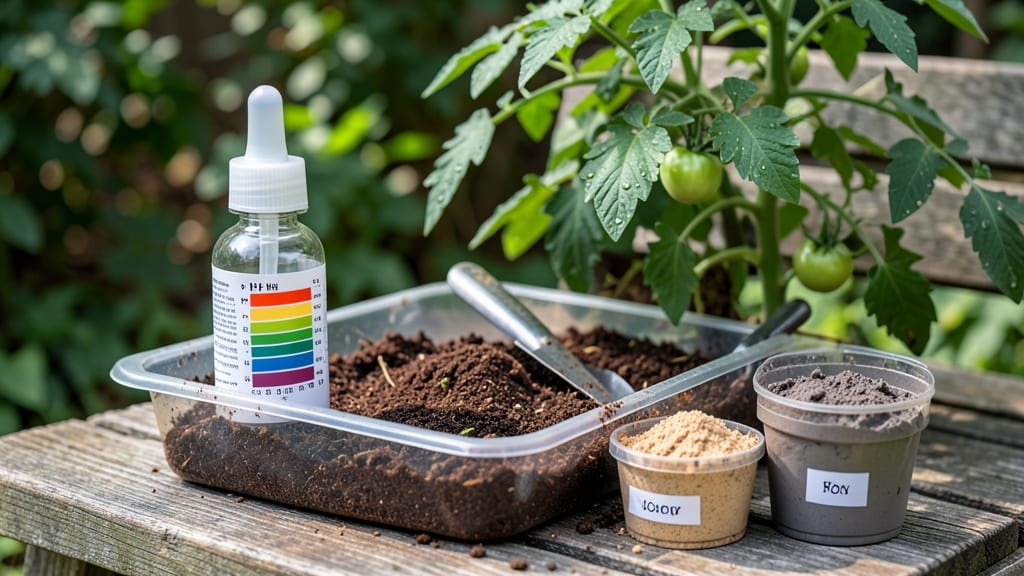
The pH for garden soil should generally sit between 6.0 and 7.0, but different plants have unique preferences—like blueberries needing 4.5–5.5 for acidity or asparagus thriving in 7.0–8.0 alkaline conditions. Regular testing keeps your garden flourishing by ensuring plants absorb nutrients efficiently.
The pH balance of your garden soil directly impacts which nutrients plants can access. For example, iron becomes locked out at high pH levels, causing yellowing leaves even when the soil appears fertile. 🌱 Meanwhile, microbial activity—critical for breaking down organic matter—peaks in slightly acidic to neutral ranges.
Extreme pH levels, whether too acidic or too alkaline, stress plants by limiting nutrient availability or disrupting root function. That's why knowing your soil's pH isn't just about following a number—it's about creating the right environment for your plants to thrive.
Most gardeners focus on adjusting pH when they notice stunted growth or unusual leaf discoloration, but proactive testing every 1–2 years prevents these issues.
The key is matching your soil's chemistry to the plants you grow—whether that means amending with lime to raise pH for acid-lovers or sulfur to lower it for alkaline-tolerant varieties. Even a small shift of 0.5–1.0 pH points can make a noticeable difference in plant health and yield.
💡 In This Article
- How Soil pH Affects Nutrient Availability and Plant Growth
- Step-by-Step Methods to Adjust Soil pH for Different Plants
How soil pH affects nutrient availability and plant growth
Soil pH determines which nutrients dissolve and become available to plants. For instance, iron—a critical nutrient for chlorophyll production—becomes nearly inaccessible when soil pH rises above 7.0. This is why plants in alkaline soils often develop yellow leaves (chlorosis) despite having plenty of iron in the soil.
Conversely, phosphorus, essential for root and flower development, binds tightly to soil particles in acidic conditions below 5.5, making it harder for plants to absorb. The sweet spot for most nutrients falls between 6.0 and 7.0, where solubility is optimal for uptake.
Microbial activity also hinges on pH balance. Beneficial bacteria and fungi—responsible for breaking down organic matter and making nutrients available—thrive in slightly acidic to neutral soils (6.0–7.0). Extreme pH levels disrupt these microorganisms, slowing decomposition and nutrient cycling.
For example, earthworms, which aerate soil and improve structure, become less active in soils below 5.0 or above 8.0. This microbial slowdown can lead to nutrient deficiencies, even if the soil appears rich in organic material.
Extreme pH levels stress plants by limiting nutrient availability or disrupting root function. Acidic soils (below 5.0) can release toxic aluminum and manganese, damaging root cells and stunting growth. Alkaline soils (> 8.0) often suffer from boron or molybdenum deficiencies, causing distorted leaves or poor flowering.
The visual symptoms—like stunted growth, yellowing leaves, or poor flowering—are your garden’s way of signaling a pH imbalance. Regular testing helps catch these issues early before they become irreversible.
Even minor pH shifts can have dramatic effects. For example, a 0.5-point drop from 6.5 to 6.0 can unlock phosphorus for plants like tomatoes, boosting fruit production. Conversely, a 1.0-point rise from 6.0 to 7.0 might make zinc less available, leading to leaf discoloration in vegetables like squash.
The key is understanding how your specific plants respond to pH—whether they’re acid-loving azaleas or alkaline-tolerant lavender—and adjusting accordingly.
Think of soil pH as the foundation of your garden’s chemistry. Just as a building needs a sturdy base to support its structure, plants need the right pH to access the nutrients they need to grow strong and healthy.
Without this balance, even the most fertile soil can fail to support vigorous plant life. 🌱
For container gardens, where soil volumes are smaller, pH adjustments need to be more precise. A 5-gallon pot of soil might require only 1–2 cups of lime to raise pH by 1.0 point, while the same adjustment in a 100-square-foot garden bed could need 20–30 pounds of lime.
Always test your soil after amending—changes take time, and overcorrecting can be just as harmful as undercorrecting.