Planting
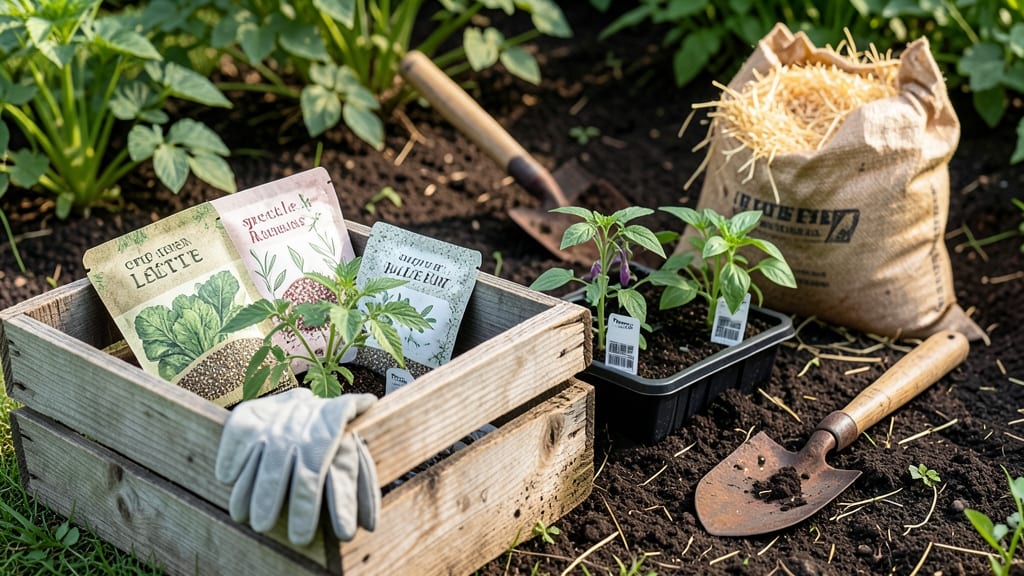
Planting a garden in the right season can transform your backyard from a patch of dirt into a thriving oasis 🌱 — and missing the window means wasted seeds and empty harvests.
Timing your garden planting by crop type and hardiness zone can mean the difference between a thriving harvest and wasted effort. Whether you’re in Zone 6a or a warmer climate, knowing when to start seeds indoors, transplant seedlings, or direct-sow outdoors is the key to success.
This guide breaks down exact planting deadlines by zone, soil temperature rules, and how to adjust for microclimates—so you never plant too early or too late again.
Learn how to read frost dates, choose the right crops for your spring window, and even adapt for container gardening, ensuring your garden grows stronger and more productive every year.
Planting deadlines by USDA hardiness zone: exact months for each crop type
Getting your garden timing right depends on two critical factors: your USDA hardiness zone and whether you're growing cool-season, warm-season, or year-round crops. Miss these deadlines, and you risk stunted growth, poor yields, or even lost plants entirely.
Let’s break down the exact months to plant by zone, so you can maximize your harvest potential.
Most gardeners focus on the last frost date as their planting deadline, but the truth is more nuanced. Cool-season crops like lettuce and spinach thrive when soil temperatures are still cool, while warm-season crops like tomatoes and peppers need consistently warm soil to germinate.
Even herbs and microgreens have ideal planting windows that vary by zone.
Below is your zone-by-zone planting calendar, including frost-free date calculations and crop-specific deadlines. Use this as your go-to guide to avoid common mistakes like planting tomatoes too early or harvesting cool-season crops before the first frost.
For Zones 3-4, where winters are harsh, focus on early spring planting for cool-season crops like spinach and kale. These areas have a short growing season, so prioritize fast-maturing varieties.
Warm-season crops like tomatoes should wait until after May 15, when soil temperatures reliably stay above 60°F.
In Zones 5-6, you’ve got a bit more flexibility. Start cool-season crops in March–April, but don’t rush warm-season plants—wait until May–June when soil warms up. This zone also benefits from fall planting for crops like broccoli and carrots, which thrive in cooler autumn temperatures.
Gardeners in Zones 7-8 can enjoy year-round growing with the right planning. Plant cool-season crops in August–September for a fall harvest, and start warm-season crops as early as April. Herbs like basil and cilantro grow well in containers, letting you extend their season even further.
If you live in Zones 9-10, you’re in luck—warm-season crops can be planted year-round, but cool-season crops are best saved for fall. Use shade cloth in summer to protect heat-sensitive greens like lettuce.
Zone 11 is unique: most crops grow continuously, but succession planting ensures a steady harvest.
One common mistake is relying solely on seed packet dates, which are often based on ideal conditions. Instead, calculate your frost-free days and adjust for your zone. For example, in Zone 6, you might have 165 frost-free days, but planting tomatoes too early can lead to blossom-end rot.
Always check soil temperature with a thermometer.
For container gardening, deadlines shift slightly. Containers warm up faster, so you can plant warm-season crops 2–3 weeks earlier than in-ground gardens. Just ensure your pots have drainage holes and use lightweight potting mix to prevent overheating.
Remember, these deadlines are guidelines. Monitor your garden’s progress and adjust as needed—Mother
How to adjust planting times for your local microclimate and soil conditions
Your USDA hardiness zone gives you a starting point, but your local microclimate and soil conditions often dictate the real planting timeline.
A neighbor’s garden might thrive with seed packets’ suggested dates, but your urban heat island, high-altitude location, or slow-warming soil could mean success or failure if you follow the same schedule. Let’s adjust those planting times for your unique conditions.
Seed packets provide baseline guidelines, but they’re not rules.
For example, a packet might say “plant after last frost,” but in Zone 5 with clay soil, your frost-free date could be weeks later than your neighbor’s. Meanwhile, container gardens in Zone 8 might need earlier starts because pots heat up faster.
Understanding these variables lets you fine-tune your schedule for maximum success.
⚠️ When to Plant a Garden in Your Microclimate: Critical Adjustments
Don’t plant by calendar dates—plant by soil temperature and local conditions.
- Urban areas: Can be 5-10°F warmer than rural zones—start 2-3 weeks earlier for heat-sensitive crops.
- High altitude: Soil warms 1-2°F slower per 1,000 ft—delay planting by 1-2 weeks per 1,500 ft elevation.
- Slow-draining soil: Wait until soil reaches 60°F for warm crops (use a soil thermometer), not just frost dates.
- Containers: Heat up 30-50% faster—plant 1-2 weeks earlier than ground planting schedules.
For urban heat islands, where pavement and buildings trap heat, your growing season might start 2-3 weeks earlier than official zone dates. Use a soil thermometer to confirm when warm-season crops like tomatoes or peppers can go in—aim for 60°F for 10+ days.
In my Zone 6 urban garden, I’ve planted basil in mid-April (vs. late May in rural areas) with no frost damage, thanks to the microclimate’s warmth.
High-altitude gardens face the opposite challenge. Every 1,000 feet of elevation can delay soil warming by 1-2°F, pushing back planting by 1-2 weeks. In Zone 5 at 5,000 ft, I adjust my schedule by 3-4 weeks later than the zone’s baseline.
For example, I plant cool-season crops like spinach in early March, but warm-season crops like cucumbers wait until mid-June instead of May.
If your soil stays cold or waterlogged, like clay-heavy gardens, don’t rush planting. Test soil temperature at 4-inch depth—most warm-season crops need 60°F+, while cool-season crops tolerate 40-50°F.
In my garden, slow-warming soil means I plant peppers in late May instead of April, even though the frost date passed earlier. Patience here prevents poor germination or stunted growth.
Container gardens offer flexibility but require earlier starts because pots heat up faster. If you’re growing in 5-gallon containers, the soil can reach ideal temperatures 1-2 weeks ahead of ground planting.
I’ve successfully grown lettuce in containers in Zone 4 by starting seeds indoors in March and transplanting by mid-April, beating the zone’s typical late-May deadline.
Pro tip: Use row covers or cold frames to extend your season in cool microclimates, or shade cloth in hot urban spots. These tools let you fine-tune planting times beyond just adjusting dates—think of them as your microclimate hack toolkit.
With these adjustments, you’ll turn seed packet guidelines into a personalized planting calendar that works for your garden’s unique conditions. 🌱