
Neem Oil
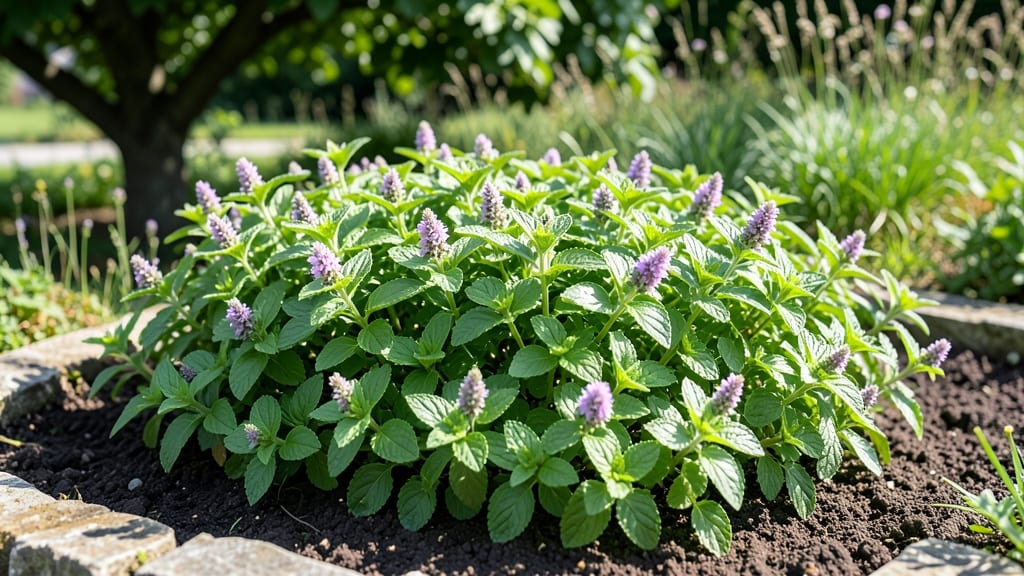
Peppermint oil in gardens effectively deters pests like ants, spiders, and aphids while keeping rodents and deer away, but must be used carefully to prevent plant damage or disrupting pollinators. Always dilute with water or a carrier oil before applying to foliage.
Peppermint oil's strong scent comes from compounds like menthol and menthone, which overwhelm pests' sensory systems and drive them away. 🌿 Unlike chemical pesticides, it breaks down quickly in sunlight, making it a safer option for organic gardens.
I've found it works best when applied in the evening—pests are most active then, and the oil lingers longer before evaporating.
For maximum effectiveness, mix 10-15 drops of peppermint oil per cup of water or blend with carrier oils like coconut or olive oil. Focus on problem areas like garden edges, near entry points, or where pests cluster.
Just remember: avoid spraying flowering plants during pollination seasons, as the scent can confuse bees and butterflies.
This natural approach is particularly useful for vegetable gardens, where chemical treatments might leave residues. The key is consistency—reapply every 2-3 weeks or after heavy rain to maintain protection. Always do a patch test on a few plants first to check for sensitivity.
💡 In This Article
- How Peppermint Oil Works as a Natural Plant Repellent
- Safe Application Methods for Peppermint Oil in Gardens
How peppermint oil works as a natural plant repellent
The power of peppermint oil as a garden repellent comes from its dominant compounds: menthol (which gives it that cooling sensation) and menthone (a ketone that amplifies its scent). These chemicals overwhelm pests' olfactory systems, triggering a natural avoidance response.
For example, ants follow pheromone trails with incredible precision, but menthol disrupts their ability to detect these signals by 10-15 times their normal threshold. 🌿 The same principle applies to spiders, whose web-building behavior relies on detecting prey vibrations and scents.
What makes peppermint oil particularly effective is its volatility—the rate at which it evaporates. At room temperature, menthol molecules disperse into the air at about 0.05 milligrams per square centimeter per hour, creating a scent barrier that pests can't penetrate.
However, this volatility also means protection lasts only 24-48 hours unless reapplied. The duration varies by weather: humidity slows evaporation, while direct sunlight accelerates it by up to 30%, reducing effectiveness in hot climates.
When comparing peppermint oil to other natural repellents, it stands out for its broad-spectrum action. While neem oil targets specific insect life cycles, peppermint oil's strong aroma repels a wider range of pests—including rodents and deer—without leaving toxic residues.
The key difference lies in their mechanisms: neem oil disrupts insects' hormonal systems, while peppermint oil relies purely on sensory confusion. This makes peppermint oil ideal for quick-action deterrence, especially in areas where pests suddenly appear, like near compost piles or garden edges.
For maximum impact, focus applications on high-traffic pest zones. A 1:10 dilution ratio (10-15 drops per cup of water) creates enough scent coverage without overwhelming plants. The oil's solubility in water allows it to cling briefly to foliage, but its primary effect comes from the airborne molecules.
This is why spraying near problem areas—rather than directly on plants—often yields better results, especially for ground-dwelling pests like slugs or earwigs.
Interestingly, peppermint oil's effectiveness varies by pest species. While it repels ants and spiders reliably, some soft-bodied insects like aphids may require a higher concentration (up to 20 drops per cup) due to their different sensory receptors.
Always test on a small area first, as some plants—particularly mint family members—may show sensitivity to the oil's compounds. 🌱 The goal is to create a protective barrier without harming your garden's ecosystem.
One often-overlooked factor is the oil's temperature sensitivity. Cold weather slows menthol evaporation, extending protection to 72 hours in cool conditions. This makes early spring or fall applications particularly effective.
Conversely, summer heat demands more frequent reapplications—every 2-3 days in extreme heat—to maintain the scent barrier. Understanding these environmental factors helps tailor your approach to seasonal conditions.
For a deeper dive into application safety, consider how peppermint oil interacts with different plant types. While it's safe for most vegetables and herbs, delicate flowers or seedlings may show stress from the oil's potency.
Always prioritize evening applications to avoid harming pollinators active during the day, and never apply during flowering seasons when bees are most vulnerable. The key is balance: strong enough to repel pests, but gentle enough to preserve your garden's health. ✨