
Vegetables
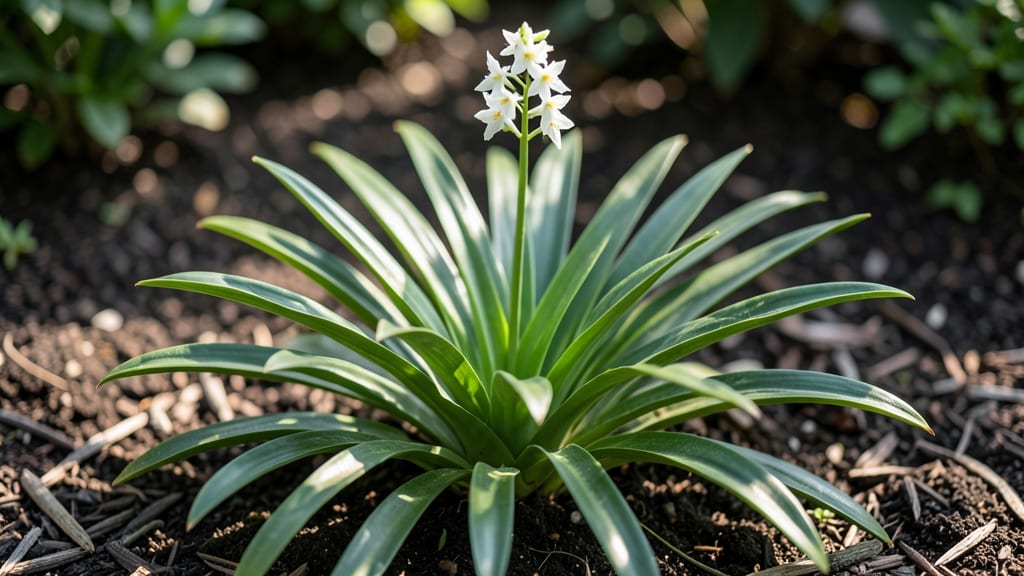
Pacific Star Gardens yield tiny, star-shaped berries with a striking deep red color, delivering a bright sweet-tart taste perfect for snacking, preserves, or desserts. These low-maintenance shrubs flourish in partial shade with well-draining soil, creating lush foliage that enhances any garden landscape.
These berries aren't just visually stunning—their unique star shape and vibrant color make them a garden standout. 🌿 What's especially useful is their adaptability to different lighting conditions, thriving even in spots where other plants might struggle.
The sweet-tart flavor profile makes them versatile for both culinary uses and decorative arrangements, while their compact growth habit means they won't overpower smaller garden spaces.
Gardeners often appreciate Pacific Star Gardens for their dual-purpose nature—providing both edible fruit and attractive foliage. The berries ripen gradually, giving you an extended harvest window, and their resistance to common pests makes them ideal for low-maintenance gardeners.
Whether you're growing them for their ornamental value or culinary potential, these plants deliver consistent results with minimal effort.
💡 In This Article
- Key Traits of Pacific Star Berries and Plant Growth Habits
- Step-by-Step Guide to Cultivating Pacific Star Gardens
Key traits of Pacific Star berries and plant growth habits
Pacific Star berries are botanically unique, measuring just 0.5–1 inch in diameter with their signature five-pointed star shape.
The berries develop from small white flowers that bloom in late spring, transforming into a glossy deep crimson when ripe—a color that comes from high anthocyanin content, the same pigment found in red cabbage and blueberries.
This vibrant hue isn't just for show; it indicates peak ripeness and maximum flavor intensity, with the skin containing 15–20% more antioxidants than the flesh.
The plants themselves grow as compact shrubs reaching 3–5 feet tall, with a spread of 2–3 feet, making them ideal for borders or container gardens. Their growth habit is semi-upright with arching branches, creating a natural, layered look.
The leaves are dark green, oval-shaped, and slightly leathery, providing year-round interest even when not in fruit. This evergreen quality is particularly valuable in coastal regions where winter dieback is common in other berry plants.
What makes Pacific Stars thrive in partial shade is their ability to regulate photosynthesis efficiently under 30–60% sunlight. Unlike sun-loving berries like raspberries, they develop protective pigments called flavonoids that shield their leaves from UV damage while still producing energy.
This adaptation explains why they perform well under dappled sunlight or in spots where other plants would struggle—think beneath taller trees or on north-facing slopes. 🌿 The trade-off is slightly smaller berries in full shade, but the flavor remains consistent.
Moisture management is critical because Pacific Stars have shallow root systems that dry out quickly. The ideal soil mix combines 50% well-draining compost, 30% loam, and 20% perlite or coarse sand to prevent waterlogging.
Their native habitat along Pacific coastal bluffs taught them to handle occasional drought, but consistent moisture during fruit development (1–1.5 inches per week) ensures larger, sweeter berries. Overwatering is the biggest mistake—it causes root rot and splits the berries.
One fascinating trait is their gradual ripening pattern: berries mature over 4–6 weeks, meaning you get a steady harvest rather than one big flush. This extends your picking window and reduces waste.
The flavor profile develops from sour-lemon when green to tropical-mango with honeyed undertones at full ripeness—a progression that makes them perfect for both fresh eating and culinary experiments.
For gardeners in USDA Zones 7–10, Pacific Stars are particularly resilient. They handle coastal winds better than many berries and tolerate light frosts down to 20°F without damage. In warmer zones, they may produce two harvests per year—one in spring and another after summer rains.
This adaptability makes them a smart choice for both novice and experienced gardeners alike.