
Vegetables
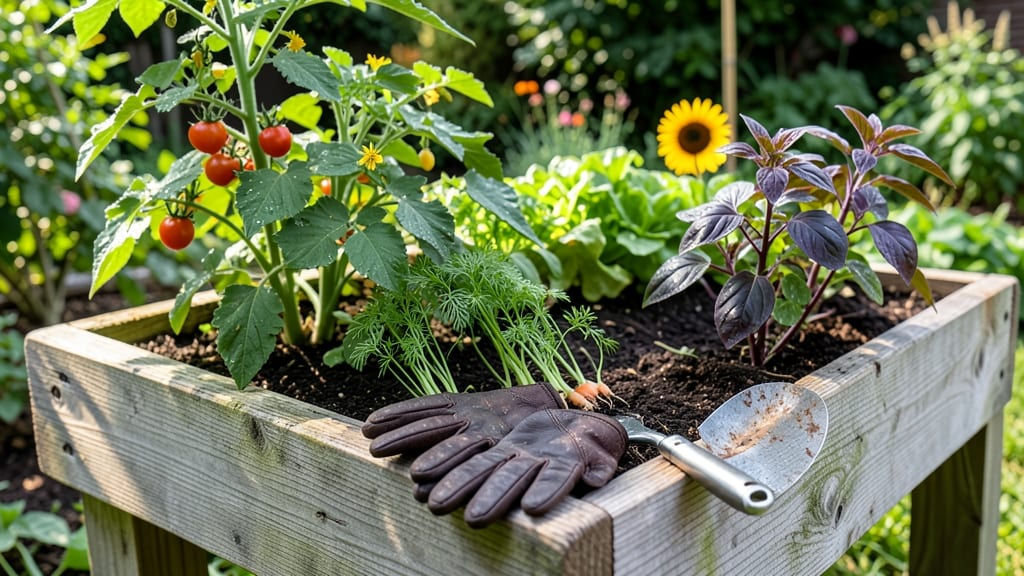
Human gardens are essential because they revitalize soil by boosting organic matter, create thriving habitats for pollinators through diverse plantings, and strengthen food security by delivering fresh, local produce while cutting industrial agriculture dependence.
Human gardens transform neighborhoods into living ecosystems that do far more than just produce food. 🌱 The organic matter from decomposed leaves and plant clippings acts like a natural fertilizer, improving soil structure and water retention—something industrial farms often lack.
Plus, these gardens become biodiversity hotspots, with native flowers attracting bees and butterflies that struggling ecosystems desperately need. What's fascinating is how even small urban plots can make a measurable difference in local food resilience, reducing reliance on long-distance shipping and chemical inputs.
Beyond the practical benefits, human gardens create community connections. I've seen neighbors swap seeds, share harvests, and collaborate on pest control—turning strangers into partners in sustainability. The real magic happens when people realize their gardening choices can heal both the earth and their own health.
It's not just about growing plants; it's about growing a movement toward more sustainable living.
💡 In This Article
- How Gardens Boost Soil and Ecosystem Health
- Creating Pollinator-Friendly Gardens for Biodiversity
How gardens boost soil and ecosystem health
At the microscopic level, gardens become powerhouses of biological activity. When you till in compost or let leaves decompose naturally, you're essentially feeding a hidden army of soil microbes—bacteria, fungi, and nematodes—that break down organic matter into nutrients plants can absorb.
These microbes also produce glomalin, a sticky glycoprotein that binds soil particles into stable aggregates, improving water retention by up to 30% compared to conventional farmland. The result? Soil that holds moisture longer during droughts and drains better during heavy rains—something industrial monocultures often struggle with.
One of the most fascinating processes is the symbiotic relationship between plant roots and mycorrhizal fungi. These fungi form intricate networks underground, extending a plant's root system by up to 10 times its original length.
In exchange for sugars from the plant, the fungi deliver phosphorus and nitrogen that would otherwise remain locked away. Studies show garden soils with active mycorrhizal networks can sequester 2-3 times more carbon than disturbed agricultural lands, effectively acting as carbon sinks.
The aroma of freshly turned garden soil—often called "petrichor"—comes from these microbial activities, a sensory reminder of the ecosystem at work.
Microbial diversity is where gardens truly outperform industrial systems. A single teaspoon of healthy garden soil can contain billions of bacteria from hundreds of different species, each playing a role in nutrient cycling.
For example, actinobacteria break down complex organic compounds, while rhizobia fix atmospheric nitrogen into forms plants can use. This diversity creates resilience—when one microbial group declines, others compensate. In contrast, agricultural soils often show 30-50% fewer microbial species due to synthetic fertilizers and tillage practices that disrupt these delicate balances.
Consider the texture: Garden soil feels alive—rich, crumbly, and dark from organic matter, whereas degraded farmland often appears powdery or compacted. This difference isn't just cosmetic; it affects plant health. Roots in garden soil encounter a complex environment with air pockets for oxygen and water channels for hydration.
The contrast is stark when you compare a thriving vegetable patch to a field where plants struggle to establish roots due to compacted, nutrient-poor soil. The key difference? Gardens mimic natural ecosystems by maintaining this delicate balance of structure and fertility.
What makes this especially powerful is how quickly these benefits accumulate. After just 1-2 years of gardening, soil organic matter can increase by 1-2% annually—a dramatic improvement over the negligible gains in conventional farming.
This isn't just about growing better food; it's about restoring an ecosystem that industrial agriculture has often degraded. The science is clear: Gardens don't just feed us—they feed the earth beneath our feet. 🌱