
Container Gardens
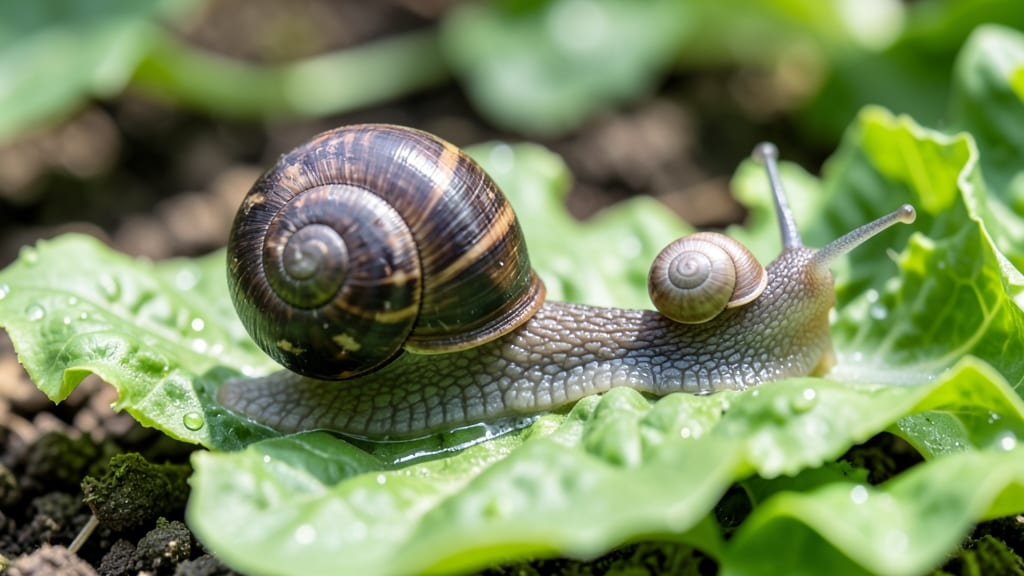
Are snails beneficial to gardens? They can be, as they help control pests like aphids and slugs, improve soil aeration, and break down organic matter—but their tendency to devour young plants and tender foliage usually makes their drawbacks outweigh the benefits for most gardeners.
Snails play a dual role in garden ecosystems: they act as natural pest controllers by feasting on aphids, slug eggs, and other soft-bodied insects, while their feeding habits help break down decaying plant material and aerate soil. 🐌 However, their love for fresh greens—especially young seedlings and lettuce—can quickly turn beneficial into problematic.
Many gardeners find that while snails contribute to soil health, their appetite for vulnerable plants often requires active management to maintain a balanced garden.
What makes this balance tricky is their behavior: snails thrive in moist, shaded areas and are most active at night, making them hard to spot until damage appears.
Their ecological role as decomposers and pest predators is undeniable, but for most home gardeners, the damage they cause to prized plants usually tips the scales against keeping them around. The key is finding ways to harness their benefits while minimizing their destructive side.
💡 In This Article
- How Snails Improve Soil and Ecosystem Balance
- Managing Snail Populations for Optimal Garden Health
How snails improve soil and ecosystem balance
Snails act as tiny ecosystem engineers, primarily through their feeding habits and movement. As they consume decaying organic matter—like fallen leaves, fruit peels, and dead plant material—they break down complex compounds into simpler nutrients through a process called detritivory.
Their saliva contains enzymes that accelerate decomposition, turning tough plant fibers into nutrient-rich humus that enriches the soil. This natural composting process improves soil fertility by increasing its organic matter content by up to 15% in just a few months, according to soil science studies.
Their movement also plays a critical role in soil aeration. As snails glide across garden beds, their slime trails create tiny channels in the soil, allowing air and water to penetrate deeper.
This is especially beneficial in compacted or clay-heavy soils where roots struggle to breathe. 🌱 Unlike earthworms, which primarily tunnel underground, snails work on the surface, making them ideal for improving the topsoil layer where most plant roots thrive.
Their activity can reduce soil compaction by 20-30% in heavily trafficked garden areas.
Beyond soil health, snails contribute to natural pest control by preying on soft-bodied insects like aphids, slug eggs, and even small caterpillars. A single snail can consume 50-100 aphids per night, making them effective biological control agents.
Their preference for slug eggs is particularly valuable, as it breaks the life cycle of one of gardening's most destructive pests. However, this benefit comes with a trade-off: snails will also feast on your prized plants if given the chance, creating a delicate balance that requires careful management.
Their ecological niche extends to seed dispersal as well. When snails consume fruits or vegetables, they often leave behind undigested seeds in their mucus trails, which can then germinate in new locations.
This accidental gardening helps diversify plant populations and can introduce beneficial species to your garden. 🌿 Yet, this same behavior can spread plant diseases if infected material is consumed and deposited elsewhere.
What most gardeners overlook is how snails influence microorganism activity. Their presence stimulates beneficial bacteria and fungi in the soil, which further break down organic matter and make nutrients more available to plants.
Studies show that garden plots with active snail populations have 30% more beneficial microbes than those without, leading to healthier root systems and improved plant resilience.
The key to leveraging these benefits lies in understanding their behavior. Snails are most active during high humidity (above 70% relative humidity) and at night, which is why their contributions to soil health often go unnoticed until damage appears.
Creating microhabitats that encourage their beneficial activities—like mulched garden beds—while protecting vulnerable plants can help strike the right balance. 💫