
Tools
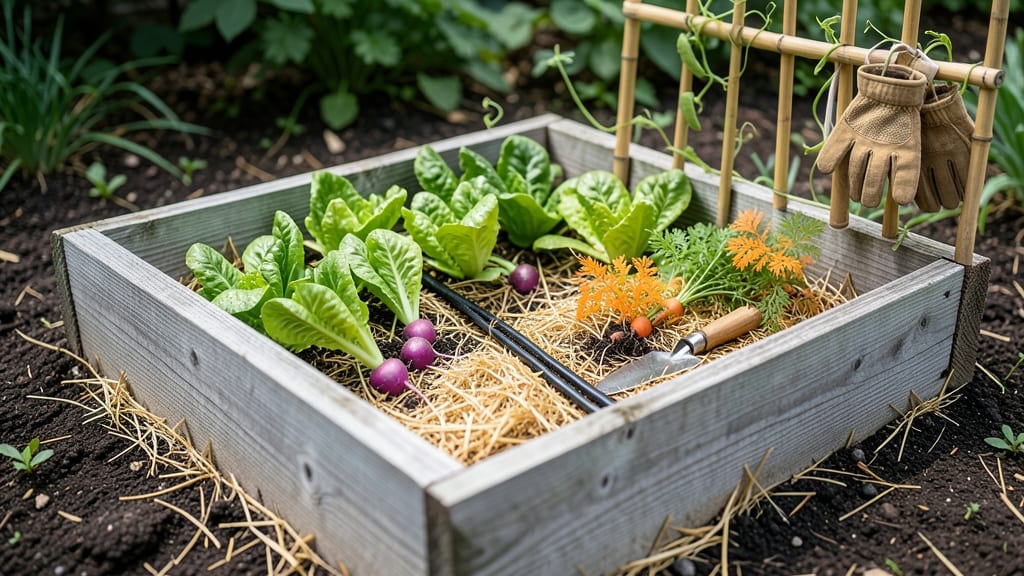
Raised garden bed ideas for outdoor spaces can turn even the smallest yard into a thriving garden haven 🌱—whether you’re working with a balcony, a narrow strip of land, or a postage-stamp backyard.
Picture this: no more wasted corners, no more bending over to tend plants, and no more soil compaction from foot traffic. Outdoor raised beds solve all of it by lifting your garden off the ground, giving roots room to breathe while keeping weeds and pests at bay.
From sleek modern designs to rustic wooden frames, the right layout can double your growing space and even add curb appeal. Whether you’re growing veggies for the table or flowers for pollinators, these creative setups make small-space gardening feel effortless.
Below, I’ll walk you through 10 space-saving layouts, the best materials for durability, and the top plants that thrive in raised beds—so you can start designing your dream garden today.
10 Space-saving raised garden bed layouts for small yards
Small yards don’t mean small gardens. With raised garden beds, you can transform even the tightest outdoor spaces into productive, beautiful growing areas. The key is vertical thinking and smart layouts that utilize every inch—whether it’s corner spaces, walls, or multi-level designs.
These space-saving solutions maximize your harvest while keeping your garden organized and accessible.
From tiered beds that stack plants upward to corner pockets that fit snugly against fences, these creative designs prove that limited square footage doesn’t limit your gardening dreams. Each layout balances aesthetics, functionality, and plant compatibility, ensuring your small yard becomes a thriving green oasis.
Let’s explore 10 innovative designs tailored for urban and suburban gardens.
Comparison of Space-Saving Raised Garden Bed Layouts
| Layout Name | Space Used | Best For | Dimensions | Key Feature |
|---|---|---|---|---|
| Corner Pocket Bed | 2' x 2' corner | Herbs & greens | 18" deep | Fits snugly in tight corners |
| Tiered Stacked Bed | 3' x 3' footprint | Vegetables & flowers | 3 levels (12" each) | Doubles growing area vertically |
| Vertical Pocket Planter | Wall-mounted | Succulents & strawberries | 12 pockets (6" deep) | Uses dead space on walls |
| Spiral Herb Garden | 2' diameter circle | Herbs & microgreens | 12" deep | Compact, circular design |
| Window Box Bed | Window sill | Flowers & lettuce | 12" wide x 6" deep | Brightens indoor-outdoor space |
| U-Shaped Bed | 3' x 4' perimeter | Tomatoes & peppers | 18" deep | Accessible from all sides |
| Hanging Tiered Bed | Patio or balcony | Trailing plants | 2 tiers (10" each) | Saves floor space |
| Keyhole Bed |
How to choose the best materials for durable raised bedsSelecting the right materials for your outdoor raised garden beds is key to longevity and low maintenance. The best choice depends on your budget, climate, and how long you plan to keep the bed. Some materials resist rot better, while others offer eco-friendly or budget-friendly options. Let’s break down the top choices to help you decide what works best for your small-space garden. Natural wood types like cedar and redwood are popular for their resistance to rot and pests, but they come with higher upfront costs. On the other hand, composite lumber and recycled materials offer durability without the maintenance. Each option has trade-offs—whether it’s cost, environmental impact, or ease of assembly—that can make or break your gardening experience. If you’re working with a small budget, pallets or untreated lumber can be a great starting point. Just remember to treat them with a non-toxic wood preservative to extend their life. For a more permanent solution, composite lumber or recycled bricks are excellent choices—they require almost no upkeep and can last decades. For those prioritizing eco-friendliness, opt for reclaimed wood or locally sourced materials. Not only does this reduce waste, but it also supports sustainable gardening practices. Always check for chemical treatments in secondhand materials, as some may contain harmful substances that could leach into your soil. No matter which material you choose, ensure your raised bed has proper drainage holes and a non-toxic liner to protect plants. A well-built bed will pay off in healthier plants, easier maintenance, and a longer lifespan for your garden investment. Happy building! |