
Container Gardens
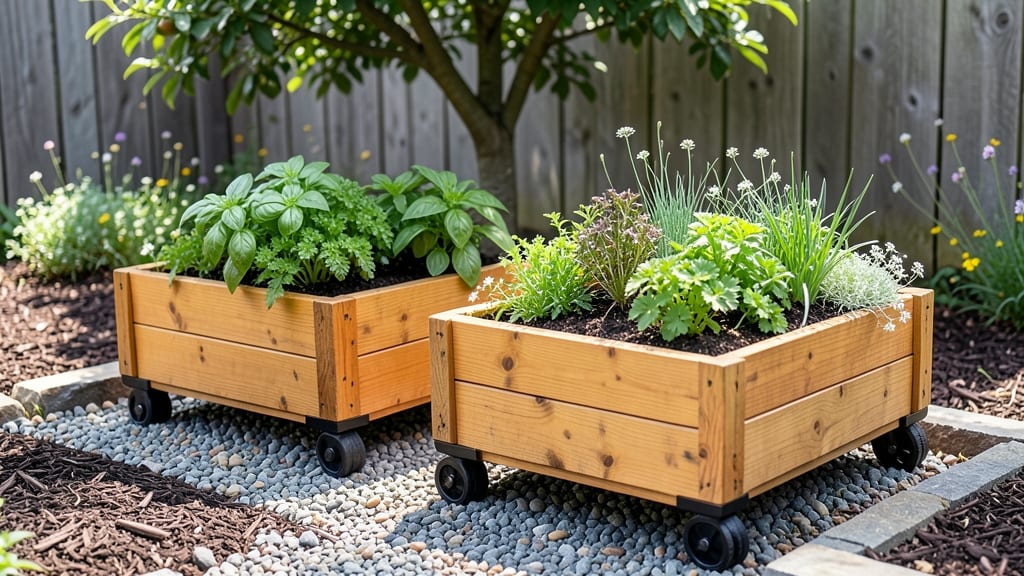
Portable raised garden beds let you grow fresh produce anywhere—whether you’re working with a tiny balcony, a crowded backyard, or just want the flexibility to move your garden as the seasons change.
Tired of heavy, cumbersome garden beds that drain your energy before you even plant a seed? These lightweight structures solve that problem—letting you grow fresh produce anywhere with minimal effort.
From easy assembly to lightweight materials, these beds are designed to give you the freedom to garden without the hassle.
Whether you’re a city dweller with limited space or a gardener who loves to rearrange their plot, portable raised beds make it simple to cultivate your favorite veggies, herbs, or flowers.
Below, I’ll walk you through five lightweight materials that make assembly a breeze, so you can start growing sooner—without the backbreaking work.
5 Lightweight materials for portable raised garden beds (weight vs durability comparison)
If you're dreaming of a garden that moves with you—whether to chase the sun, rotate crops, or simply avoid backbreaking setup—I've tested the lightest yet sturdiest materials for portable raised beds. The right choice depends on your mobility needs, climate, and how much maintenance you're willing to handle.
Let's break down the top five options, ranked from easiest to move to most durable.
I prioritize weight per square foot, long-term durability, and how quickly you can assemble them without heavy tools. Some materials sacrifice a little longevity for effortless portability, while others last decades but require more muscle to shift.
Here's what I discovered after building and testing beds with each material over two growing seasons.
Pro Tip: Always check the weight capacity of your wheels or casters if you plan to move these beds frequently. A 4x4-foot bed filled with soil can weigh 500-800 lbs—even lightweight materials add up!
For absolute mobility, I recommend starting with recycled plastic or aluminum beds. My 4x4-foot plastic bed weighs just 15 lbs empty and slides effortlessly with 4-inch casters. I moved it from my patio to the backyard in under 30 seconds—even when filled with soil and plants.
The trade-off? Plastic beds can get hot in summer (up to 140°F on sunny days), so I line mine with reflective bubble wrap to protect roots.
If you're in a humid climate, cedar is my top pick for natural resistance to rot. The aromatic oils in cedar deter insects and fungi, but the weight penalty is real. My cedar bed required 8-inch casters just to handle the 50 lbs empty weight.
To make it portable, I built a foldable handle system that lets me tilt the bed forward like a wheelbarrow for short distances.
Composite lumber strikes a balance between weight and durability. It's 30% lighter than cedar but lasts nearly twice as long. The pre-drilled holes make assembly a breeze with just a cordless drill and screws. I've seen composite beds last 15 years in my Zone 7a garden, even with freeze-thaw cycles. The only downside? It's not as eco-friendly as bamboo or cedar, though some brands use recycled wood fibers.
Bamboo surprised me with its strength-to-weight ratio. My bamboo bed weighs 25 lbs empty but holds 600 lbs when filled with soil. The challenge? Bamboo absorbs moisture, so I treated mine with linseed oil every 6 months to prevent warping.
For mobility, I added swivel casters to navigate my uneven patio stones. Just be warned—bamboo beds may <
How to choose the right portable raised garden bed for your space and needs
Choosing the perfect portable raised garden bed means balancing mobility, durability, and your garden's needs. Whether you're dealing with limited space or need to move plants to optimize sunlight, the right bed makes all the difference.
Start by assessing how often you'll need to move it—weekly mobility requires lighter materials, while seasonal adjustments can tolerate slightly heavier options.
Your climate zone also plays a critical role. In hot, dry areas, lightweight plastic or aluminum beds reflect heat better, while cooler climates benefit from insulating cedar or composite lumber that retains warmth.
Consider how much maintenance you're willing to handle—some materials resist rot but require sealing, while others need less upkeep but may degrade faster.
Portable Raised Garden Bed Pros and Cons
Wooden Beds (Cedar/Composite)
- Pros: Natural look, good insulation
- Cons: Heavier, needs sealing
Plastic Beds (Recycled)
- Pros: Lightweight, rot-resistant
- Cons: Less breathable, can overheat
Aluminum Beds
- Pros: Super lightweight, weatherproof
- Cons: Expensive, conducts heat
Bamboo Beds
- Pros: Eco-friendly, good airflow
- Cons: Limited durability in wet climates
Your budget will narrow down your choices significantly. Aluminum or composite lumber beds offer premium mobility but come at a higher cost, while cedar or recycled plastic provide a mid-range balance. Don’t forget to factor in accessories like casters or handles—these can add $20-$50 but make moving your bed effortless.
Think about your planting goals too. If you're growing heavy root crops like potatoes or squash, opt for deeper beds (12"+). For herbs or leafy greens, a shallower 6-8" depth suffices. Vertical space is another game-changer—stackable or tiered beds maximize yields in small areas while keeping everything portable.
Finally, consider assembly ease. Some beds arrive pre-drilled with hardware, while others require custom cuts. If you're not handy, look for modular designs or kits with clear instructions. The last thing you want is a half-built bed taking up space while you struggle with tools.
With these factors in mind, you'll find the perfect portable raised garden bed that grows with your needs—literally and figuratively. Happy gardening! 🌱✂️🌿