
Tools
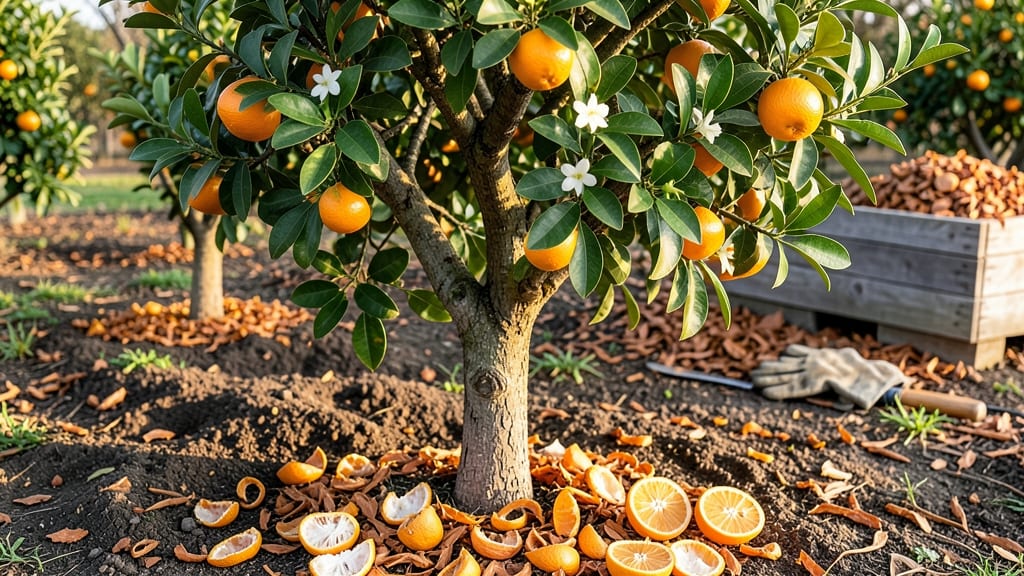
Using orange peels in your garden naturally deters pests like ants, aphids, and slugs while enriching soil with nutrients like potassium and phosphorus. Their citrus scent confuses insects, and decomposition boosts microbial activity, making them a dual-purpose organic amendment.
Orange peels work wonders because their natural oils—especially limonene—disrupt insects' ability to track scents. 🌱 When you scatter dried peels around plants or compost them, the gradual release of these compounds creates a protective barrier that keeps pests away without harsh chemicals.
Plus, the peels break down into valuable organic matter, improving soil structure and fertility over time.
For best results, I recommend drying peels in the sun first to intensify their scent before placing them near problem areas. You can also blend fresh peels with water for a quick DIY spray—just strain and apply to foliage.
The key is consistency: fresh applications every few weeks keep pests confused and your garden thriving.
💡 In This Article
- How Orange Peel Compounds Repel Common Garden Pests
- Best Ways to Use Orange Peels for Soil Fertility and Pest Control
How orange peel compounds repel common garden pests
The real magic happens at the molecular level with limonene, the dominant compound in orange peels, which makes up about 90% of their essential oils. This terpene disrupts insects' olfactory systems by mimicking and interfering with their pheromone signals—think of it as chemical noise that scrambles their communication.
For example, ants rely on scent trails to navigate, and limonene's strong citrus aroma masks these trails completely, causing them to lose their way within minutes of exposure.
When you crush fresh peels or use dried ones, you release these volatile compounds into the air, creating a protective barrier around plants. The scent lingers for 3-5 days on dried peels, while fresh peels provide immediate but shorter-term protection.
Aphids, which are particularly sensitive to limonene's effects, often abandon treated plants within 24 hours—their antennae detect the chemical as a threat signal. Even slugs, which aren't deterred by scent alone, find the rough texture of dried peels uncomfortable to cross.
The decomposition process adds another layer of pest control. As peels break down, they release small amounts of acetic acid (the same compound in vinegar), which creates an unfavorable environment for many soil-dwelling pests.
This gradual release also stimulates beneficial microbes that outcompete harmful pathogens, creating a more resilient soil ecosystem. The key here is the balance—too much acidity can harm plants, but the controlled release from peels maintains a healthy pH around 6.0-6.5, ideal for most garden crops.
Not all pests respond equally to citrus treatments. While ants, aphids, and whiteflies show strong avoidance behaviors, others like Japanese beetles or squash bugs may require additional measures since they're less affected by limonene.
For these tougher pests, combining orange peels with neem oil or kaolin clay creates a more comprehensive defense system. The peels provide the initial deterrent, while the other compounds offer residual protection.
What's fascinating is how this works at the cellular level. Limonene actually interferes with insects' ability to metabolize certain enzymes, making it harder for them to digest their food.
For example, aphids that feed on treated plants show reduced growth rates within 48 hours because their digestive systems become overwhelmed by the chemical compounds. This dual-action approach—confusing their navigation while disrupting their biology—makes citrus peels one of nature's most effective pest control tools.
For maximum effectiveness, I've found that combining dried peels with other citrus scraps (like lemon or grapefruit) creates a stronger scent profile. The synergistic effect of multiple terpenes makes the treatment more potent against a wider range of pests.
Just be mindful of placement—keeping peels near the base of plants where pests enter is more effective than scattering them randomly across the garden bed.
One common misconception is that orange peels work immediately after application. In reality, it takes about 12-24 hours for the full protective effect to develop as the compounds fully volatilize. This is why consistent reapplication is crucial for maintaining pest-free conditions throughout the growing season. 🌿