
Tools
Creating natural garden repellents stops pests like deer, rabbits, and insects using safe, plant-based ingredients like citrus peels, essential oils, or garlic blends. Simply combine these with water for chemical-free protection that keeps your garden thriving.
These homemade solutions work by masking scents that attract pests or introducing flavors they avoid. 🌿 For example, peppermint oil confuses ants' trail markers, while garlic's sulfur compounds make soil unappealing to rabbits.
The beauty of these methods is their dual benefit: they protect your plants while being completely safe for children and pets when used correctly. I've found that consistency is key—reapplying every 2-3 weeks during peak pest seasons gives the best results.
Unlike commercial sprays, natural repellents break down harmlessly in the environment, making them ideal for organic gardens. Plus, you can customize blends based on what pests plague your specific plants—whether it's deer munching on hostas or aphids infesting roses.
The initial investment in ingredients like neem oil or castile soap pays off with long-term savings and healthier soil.
💡 In This Article
- How Essential Oils and Plants Repel Garden Pests
- DIY Natural Repellent Recipes for Common Garden Threats
How essential oils and plants repel garden pests
Natural repellents work primarily through olfactory disruption and chemical interference.
Essential oils like peppermint contain menthol, which confuses ants' pheromone trails, making them lose their scent markers and wander away. 🌿 The active compounds in garlic—allyl sulfur compounds—emit a pungent odor that deer and rabbits find overwhelming, triggering their natural avoidance instincts.
Studies show these sulfur compounds can repel pests at concentrations as low as 0.1% in water solutions.
Citrus oils, particularly those from lemon and orange peels, contain d-limonene, a compound that interferes with pests' feeding behaviors. When applied to plant leaves, it creates a bitter taste that deters insects like aphids and whiteflies.
The effectiveness varies by plant: rosemary oil works best for slugs (its camphor content irritates their slimy trails), while lavender oil repels mosquitoes by masking human skin odors—its linalool compound disrupts their ability to locate hosts.
Hot peppers contain capsaicin, which creates a burning sensation on pests' mouths and legs. For example, a spray made with 1 tablespoon of cayenne pepper per quart of water can deter rabbits and deer for up to 3 weeks when reapplied after rain.
The key is consistency—pests adapt quickly to diluted solutions, so stronger concentrations (like 2% essential oil blends) provide longer protection during peak pest seasons.
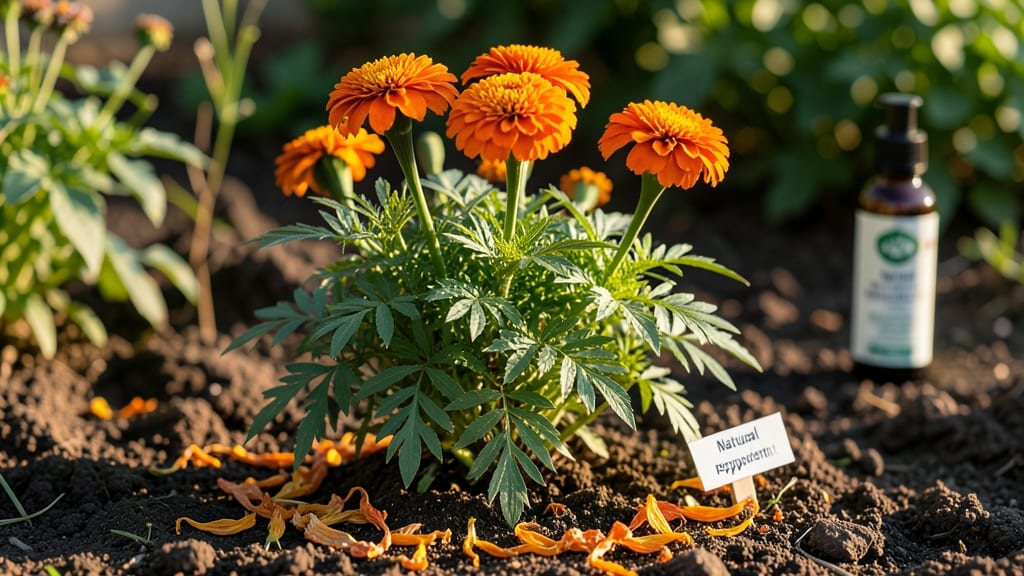
Botanical repellents also work through physical barriers. Marigolds release pyrethrin, a natural insecticide that paralyzes soft-bodied insects, while basil emits eugenol, which repels thrips and flies.
The most effective combinations pair oils with physical deterrents: for instance, planting chili peppers around vegetable gardens creates both a visual deterrent and a scent barrier that confuses pests about plant boundaries.
Temperature plays a subtle but important role—essential oils evaporate faster in warm weather (above 75°F), requiring more frequent reapplication. 🌞 In cooler climates, oils last longer but may lose potency after 2 weeks.
The best approach is to use 2-3 oils in combination (like peppermint + citrus + garlic) to create a multi-sensory deterrent that attacks pests from multiple angles.
What most gardeners don't realize is that these natural compounds often work synergistically. For example, combining neem oil (which disrupts insect hormones) with garlic powder creates a double effect: the neem interferes with aphid reproduction while the garlic makes leaves unpalatable.
This layered approach is why homemade blends often outperform single-ingredient sprays in effectiveness trials.