
Landscaping
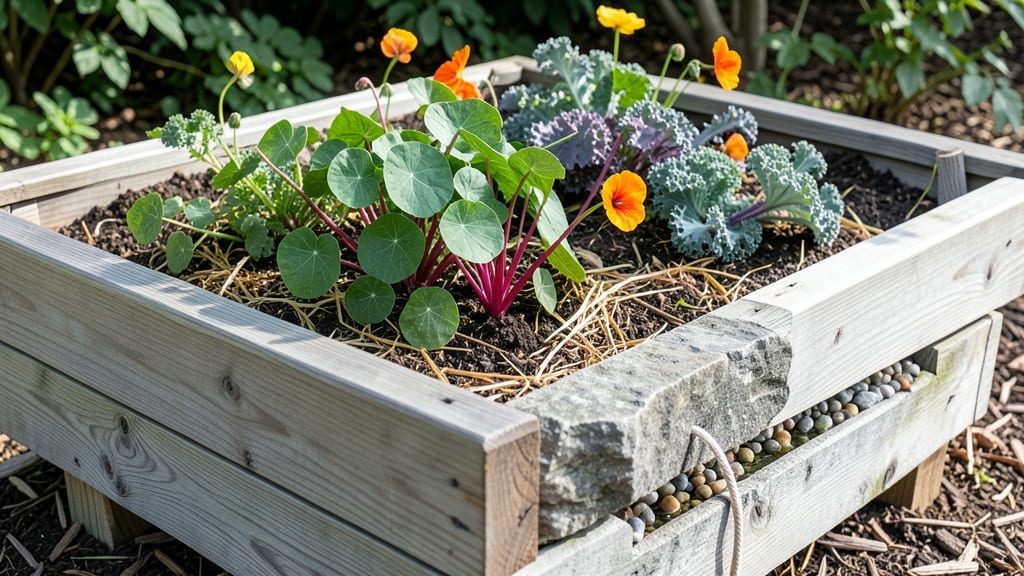
Repurposing water troughs into raised garden beds is a game-changer for small spaces and water conservation 🌱—these three-sided designs make every drop count while cutting down on soil waste.
Picture this: a backyard that used to feel cramped now packed with lush herbs, lettuce, and strawberries—all growing in a compact, water-efficient system. No sprawling rows or wasted space, just a smart, rustic solution that works for urban balconies or rural homesteads alike.
What makes these troughs so special? The answer lies in their design: shallow roots thrive in the contained soil, evaporation slows down, and drainage is a breeze. Plus, you’re not just saving water—you’re adding character to your garden with a look that’s equal parts functional and charming.
In this guide, I’ll walk you through the best plants for troughs, how to set them up for maximum efficiency, and the DIY tricks that keep costs low. Whether you’re a seasoned gardener or just starting out, these beds could be the easiest upgrade your yard’s ever seen.
How water trough raised garden beds work: space-saving designs explained
Water trough raised garden beds are a game-changer for space-conscious gardeners. Their 3-sided design eliminates the need for a full enclosure, saving materials and reducing costs while maximizing growing space. The open side also makes planting and harvesting easier, especially in tight urban areas or small patios.
Unlike traditional raised beds with four sides, these troughs retain moisture better due to their shallow depth and water-retaining properties. The design minimizes evaporation by keeping soil closer to the trough's base, where it stays cooler and more protected from wind.
This makes them ideal for drought-prone areas or regions with limited water access.
The water retention mechanics work by creating a microclimate within the trough. The curved or angled sides direct rainwater and irrigation straight to the roots, reducing runoff. Some designs even include built-in drip irrigation channels along the bottom edge for precise watering.
Now let's compare how different material options affect performance and durability:
Material Comparison for Water Trough Raised Beds
| Feature | Plastic | Metal | Wood |
|---|---|---|---|
| Durability | High (resists rot, pests) | Moderate (prone to rust) | Moderate (needs treatment) |
| Water Retention | Excellent (smooth surface) | Good (with liner) | Good (depends on sealant) |
| Weight | Light (easy to move) | Heavy (requires anchoring) | Moderate (varies by wood) |
| Cost | $ (affordable) | $$ (mid-range) | $$ (varies by wood type) |
| Best For | Urban gardens, balconies | Rural areas, large plots | Traditional aesthetics, custom builds |
The ideal dimensions for water trough raised beds typically range from 2 to 4 feet long, 1 to 2 feet wide, and 6 to 12 inches deep.
This size accommodates most shallow-rooted vegetables and herbs while allowing easy access for maintenance. For taller plants like tomatoes or peppers, opt for deeper troughs or stack multiple layers.
One of the biggest advantages is the reduced evaporation compared to traditional raised beds. The trough's curved sides act as a natural barrier, shielding soil from direct sunlight and wind.
This can cut water usage by up to 30% while keeping roots consistently moist—a major plus in hot climates or dry seasons.
For drainage solutions, most water trough beds include pre-drilled holes along the bottom or sides. If your trough lacks these, drill 1/4-inch holes every 6 inches to prevent waterlogging. Line the bottom with landscape fabric to block soil from clogging the drainage while allowing excess water to escape freely.
These beds outperform traditional raised beds in several ways. Their compact footprint allows you to fit more growing space in the same area, while the 3-sided structure reduces material costs by up to 25%.
The water-smart design also means less frequent watering, saving both time and resources—perfect for busy gardeners or eco-conscious growers.
To maximize efficiency, place your trough bed in a south-facing location for optimal sunlight exposure. Group plants with similar water and sunlight needs together to simplify care. With the right setup, you can grow herbs, lettuce, strawberries, and even small tomatoes in these space-saving wonders.
Ready to transform your garden? Start with a plastic or metal trough for low maintenance, or repurpose an old wooden trough for a rustic look. Just remember: the key to success lies in proper drainage, soil quality, and consistent moisture—no matter which material you choose.
Top 5 plants thriving in water trough raised garden beds (with watering tips)
Water trough raised garden beds are perfect for growing shallow-rooted, drought-tolerant plants that thrive in confined spaces. These containers retain moisture efficiently, making them ideal for herbs, leafy greens, and succulents that prefer consistent hydration without soggy soil.
I’ve selected five low-maintenance plants that will flourish in your trough while requiring minimal watering and care.
When choosing plants for your trough, prioritize varieties with shallow root systems and moderate water needs. The key is balancing moisture retention in the trough with well-draining soil to prevent root rot. These plants not only save space but also reduce your water usage—perfect for eco-conscious gardeners.
| Plant | Sun Exposure | Water Frequency | Soil Type | Mature Size |
|---|---|---|---|---|
| Basil | Full Sun (6+ hrs) | Every 2-3 days | Well-draining | 12-24 inches |
| Lettuce (Leaf) | Partial Sun (4-6 hrs) | Daily (keep moist) | Rich, loamy | 6-12 inches |
| Strawberries | Full Sun (6-8 hrs) | Every 1-2 days | Well-draining | 6-12 inches |
| Succulents (Sedum) | Full Sun (6+ hrs) | Every 7-10 days | Gritty, sandy | 6-18 inches |
| Thyme | Full Sun (6+ hrs) | Every 3-4 days | Well-draining | 6-12 inches |
Basil is my top pick for trough gardens because it loves warmth and thrives in moist, well-draining soil. Water it in the morning to prevent fungal issues, and harvest leaves regularly to encourage bushier growth. Place your trough in a south-facing spot for maximum sun exposure, which is critical for flavor development.
For leafy greens like lettuce, focus on keeping the soil consistently moist but never waterlogged. These plants are shallow-rooted and bolt quickly in hot weather, so opt for heat-tolerant varieties like romaine or butterhead.
Mulch the surface with straw to retain moisture and reduce evaporation, especially in hot afternoons.
Strawberries are another fantastic choice for water troughs, producing sweet fruit with minimal care. Ensure your trough has adequate drainage holes to prevent rot, and water at the base to avoid wetting the leaves.
These plants appreciate a balanced fertilizer every 4-6 weeks during the growing season for optimal fruit production.
If you’re looking for ultra-low-maintenance plants, succulents like Sedum are perfect. They store water in their leaves, making them ideal for drought-prone conditions. Water them sparingly—only when the top inch of soil feels dry—and place them in bright, indirect light to prevent sunburn.
Finally, thyme is a hardy herb that thrives in troughs with minimal fuss. It prefers dry, well-draining soil and full sun, making it a great companion for succulents. Prune it lightly after harvesting to maintain its compact shape and encourage new growth.
With these five drought-resistant plants, your water trough raised garden bed will stay lush and productive with minimal effort.
The key is monitoring soil moisture and adjusting your watering schedule based on weather conditions and plant needs—your trough garden will reward you with bountiful harvests all season long! 🌱