
Pests
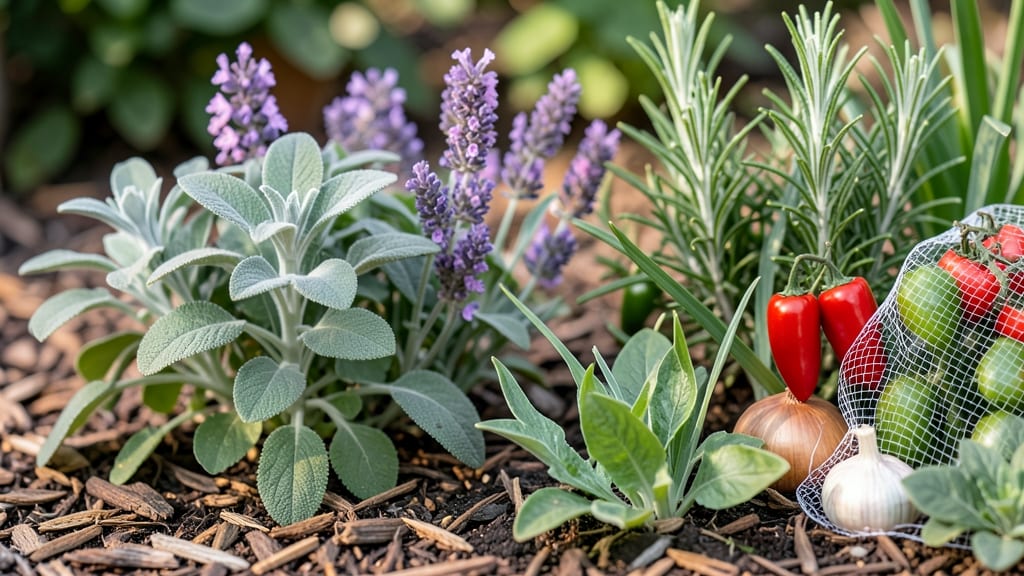
A squirrel-proof garden needs multiple layers of protection, including elevated planting beds with hardware cloth barriers, commercial or homemade repellents, and squirrel-resistant plants to prevent digging, chewing, and nesting.
A squirrel-proof garden isn't just about one trick—it's about combining smart planting with physical deterrents. 🌱 Squirrels are persistent diggers, so I recommend starting with raised beds wrapped in 1/4-inch hardware cloth buried at least 12 inches deep to block tunneling.
For existing gardens, chicken wire or wire mesh laid over vulnerable areas works too, though it's less durable. Pair this with natural repellents like cayenne pepper sprays or predator urine (available at garden centers) to create an unpleasant sensory experience.
The key is consistency—squirrels learn quickly, so rotate methods seasonally to keep them guessing.
Don't overlook plant selection either. Squirrels avoid plants like daffodils, alliums, and lavender—their strong scents and bitter tastes deter them naturally. I've found that planting these near high-value crops creates a protective buffer zone.
For extra security, consider motion-activated sprinklers in problem areas—they're a humane way to startle squirrels without harming them.
💡 In This Article
- Physical Barriers That Stop Squirrels from Digging
- Natural Repellents and Plant Strategies to Outsmart Squirrels
Physical barriers that stop squirrels from digging
Squirrels have powerful front claws designed for digging, capable of moving 10 pounds of soil per minute when searching for buried nuts or bulbs. The most effective barrier is 1/4-inch hardware cloth (not chicken wire, which they can chew through).
For raised beds, wrap the cloth around the entire structure, including the bottom, and bury the edges 12 inches deep to prevent tunneling from below.
In ground-level gardens, lay the mesh flat over planting areas and secure it with U-shaped stakes every 2 feet—this creates a physical shield that squirrels can't penetrate.
Hardware cloth outperforms chicken wire because its tighter weave (about 0.25-inch openings) blocks squirrels' claws completely, while chicken wire's 1-inch gaps allow them to squeeze through. For clay-heavy soils, use galvanized steel mesh—it resists rust and lasts 5-7 years without degrading.
In sandy soils, add a 1-inch layer of pebbles beneath the mesh to deter digging attempts, as squirrels dislike the coarse texture. The key is consistency: even a small gap can become a squirrel highway.
Raised beds offer an extra advantage—they create a physical elevation that squirrels are less inclined to climb, especially if the sides are steep (a 45-degree angle or steeper).
I've noticed that squirrels prefer to dig horizontally rather than scale vertical surfaces, so adding smooth plastic sheeting to the bed edges reduces grip points. For existing gardens, consider underground wire baskets (like those used for onion planting) to protect individual bulbs without full garden coverage.
One common mistake is using plastic mesh—squirrels can chew through it in 24 hours with their sharp incisors. Always choose metal-based barriers, and check for damage after heavy rains or storms, as moisture weakens metal over time.
For high-value crops like tulip bulbs, combine hardware cloth with a 1-inch layer of gravel on top of the soil—this adds sensory deterrence while reinforcing the physical barrier.
Another effective tactic is the "false tunnel" method: bury empty plastic bottles or PVC pipes filled with rocks near vulnerable areas. Squirrels will dig here first, thinking they've found food, and you can then redirect them to these decoy sites.
This works because squirrels rely heavily on scent trails, and a new digging spot can become their primary focus—giving your real plants a reprieve.
For container gardens, use metal mesh pots with 1/8-inch openings—these are squirrel-proof while still allowing drainage. The smaller holes prevent claws from getting purchase, but larger plants may need additional support as they grow.
Always secure mesh pots with zip ties at the seams, as squirrels can pry apart loose connections with their teeth.