
Tools
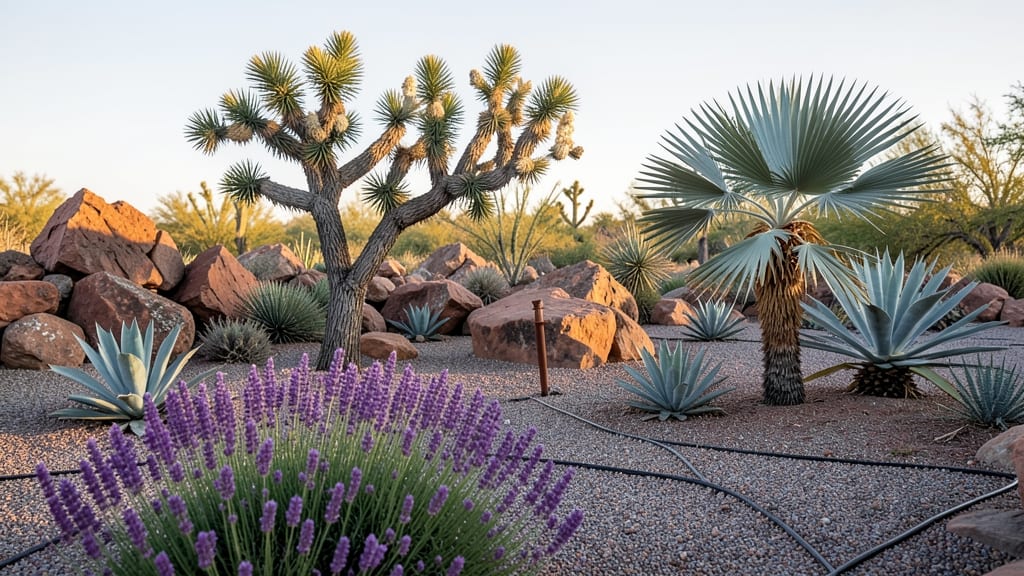
Moorten Botanical Garden in Palm Springs offers secluded desert trails and rare cactus collections, including endangered species like the Pachycereus pringlei, alongside themed gardens that blend native and exotic plants for a peaceful, educational visit.
This hidden desert oasis stands out for its carefully curated plant collections, where each species tells a story of survival and adaptation. 🌵 The garden’s microclimates create ideal conditions for rare cacti like the Ferocactus and Lophocereus, making it a top destination for plant enthusiasts.
Unlike larger botanical gardens, Moorten focuses on intimate exploration, letting visitors wander through themed sections that highlight both native desert flora and exotic imports.
What sets Moorten apart is its commitment to conservation—many of its plants are endangered or at-risk species, preserved through careful cultivation techniques. The garden also offers guided tours that dive into the science behind desert ecosystems, perfect for families or anyone curious about how plants thrive in extreme conditions.
Whether you're a seasoned botanist or a casual nature lover, the blend of education and tranquility makes it a must-visit.
💡 In This Article
- Exploring Moorten’s Desert Ecosystems and Rare Cacti
- Seasonal Visitor Tips for Hidden Gardens and Plant Tours
Exploring Moorten’s desert ecosystems and rare cacti
Moorten Botanical Garden thrives because of its carefully engineered microclimates, which mimic the natural desert conditions where rare cacti evolved.
The garden's elevated terrain and strategic placement of rock formations create temperature variations that range from 90°F in sunny sections to 75°F in shaded areas—critical for species like the Pachycereus pringlei, which requires precise humidity levels to prevent rot.
These microclimates allow the garden to cultivate over 1,500 plant species, including 200+ cactus varieties, many of which are endangered in the wild. 🌵
The garden’s star attractions include the Ferocactus species, known for their spiky, barrel-like shapes that store water during droughts, and the Lophocereus schottii, which grows vertically to minimize surface area exposed to intense sunlight.
What’s fascinating is how these plants have adapted: their waxy coatings reflect up to 70% of sunlight, while their shallow root systems spread widely to capture rare desert rains. Moorten replicates these conditions using drip irrigation systems timed to mimic natural rainfall patterns, ensuring optimal growth without overwatering.
What makes Moorten’s collections so valuable is its focus on conservation through propagation. Many of the endangered species here are grown from seeds collected in their native habitats, with careful tracking of genetic diversity.
For example, the garden’s Pachycereus pringlei population is part of a statewide conservation program, with plants tagged by their genetic lineage. This approach helps prevent inbreeding while maintaining healthy populations—something critical for species facing habitat loss. 🌱
Visitors often overlook how the garden’s layout enhances these adaptations. The winding trails are designed to lead you through different microclimates, starting with the Sonoran Desert section (hot and dry) and transitioning to the Coastal Sage Scrub area (cooler and more humid).
This journey isn’t just educational—it’s a hands-on lesson in how plants survive in extreme environments. The garden’s signage even includes QR codes linking to detailed care guides for each species, making it easy to learn about their unique adaptations.
One of the most striking examples is the Echinocactus horizonthalonius, a cactus that grows in dense clusters to share moisture and shade. In Moorten’s collection, you’ll see how these clusters form natural "islands" of cooler microclimates within the broader desert heat.
The garden’s curators use this principle to group compatible species together, creating self-sustaining ecosystems that require minimal human intervention. This approach not only preserves biodiversity but also offers a living classroom for understanding desert survival strategies. 🌿
For those curious about the science behind these adaptations, the garden’s Research Corner (located near the visitor center) displays interactive models showing how cacti regulate water loss.
You’ll learn that some species, like the Lophocereus, can reduce water loss by up to 50% during peak heat through specialized stomata (pores) that open only at night. These details bring the garden’s collections to life, turning a simple walk into a deep dive into desert ecology. 🔍