
Vegetables
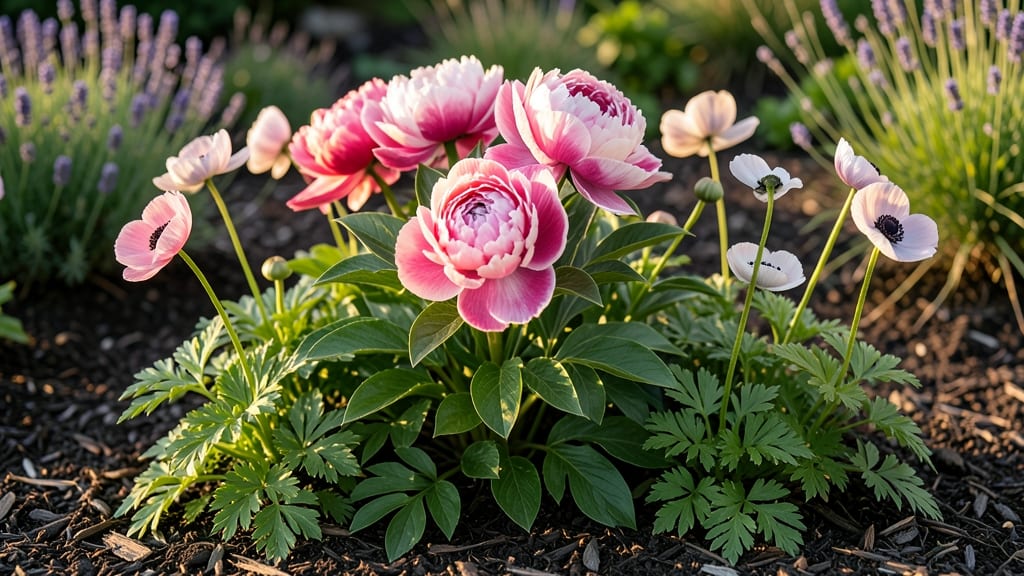
Visiting Royal Botanical Gardens Burlington reveals themed gardens with rare botanical collections and ever-changing seasonal displays, including the iconic tulip festival and vibrant autumn foliage trails that showcase the site's horticultural expertise year-round. Beyond the main paths, hidden spots like the Rock Garden and Children’s Garden offer distinctive experiences for every visitor.
The gardens' seasonal transformations are a masterclass in horticultural planning. 🌸 In spring, the Tulip Festival showcases thousands of blooms timed with peak local weather, while summer brings pollinator-friendly meadows that support native bee populations.
Fall foliage is carefully curated for optimal color contrast, and winter evergreen displays maintain visual interest even in colder months. The climate here—with its distinct seasons—allows for this dramatic annual shift, making each visit feel like discovering a new landscape.
For those willing to explore beyond the main attractions, the gardens hide true treasures. The Japanese Garden's moon bridge offers serene reflection spots, while the sensory garden is designed for visitors with disabilities, featuring plants that engage multiple senses.
Native plant meadows provide a glimpse into Ontario's natural ecosystems, and visiting these areas at specific times—like early morning for dew-kissed blooms or late afternoon for golden-hour photography—enhances the experience. These lesser-known sections often reveal the gardens' most thoughtful design elements.
💡 In This Article
- Seasonal Transformations at Royal Botanical Gardens
- Off-the-Beaten-Path Gardens Worth the Detour
Seasonal transformations at royal botanical gardens
The gardens' seasonal magic begins with precise horticultural timing—each display is meticulously planned to align with Burlington's climate patterns. Spring's Tulip Festival (typically April) features 100,000+ bulbs planted in late fall, timed to bloom when daytime temperatures reach 50-60°F and nights stay above freezing.
This creates the iconic sea of color while avoiding frost damage. 🌸 The gardeners use a heat accumulation model to predict blooming windows, adjusting bulb varieties each year based on winter severity.
Summer transforms into a pollinator paradise with meadows planted with 120+ native species, including milkweed for monarch butterflies and coneflowers for bees. These plants are chosen for their 3-4 week bloom cycles, ensuring continuous nectar sources from June through September.
The gardens' rainwater collection system (30,000+ gallons capacity) maintains these drought-tolerant plants during dry spells, while strategic plant spacing prevents disease spread.
Fall foliage becomes a spectacular color science experiment, where gardeners select trees based on their anthocyanin production (the pigments that create reds and purples). Maple trees like 'Autumn Blaze' are planted in clusters to create visual impact, while serviceberry bushes provide early-season color contrast.
The leaf-peeping peak occurs when daytime temps average 60°F with cool nights—typically mid-October—creating the optimal conditions for maximum pigment development.
Winter maintains visual interest through evergreen architecture, where conifers like Norway spruce and hemlock are strategically placed to frame pathways. The gardens' windbreak design (using dense evergreens) protects delicate winter bloomers like hellebores, while snow sculpture displays (when conditions allow) add temporary artistry.
The microclimate zones created by these plantings can maintain 10-15°F warmer temperatures than open areas, extending the growing season for hardy perennials.
What makes this planning remarkable is the data-driven approach. Gardeners use soil temperature probes (monitored hourly) to determine planting windows, while phenology cameras track bloom progression. The 20-year climate data analysis helps predict which varieties will thrive despite Burlington's increasing temperature variability.
This scientific precision means visitors can reliably expect each season to deliver its signature experience—whether it's the 3-week tulip festival or the 4-week fall foliage peak.
The result is a living calendar where every visit reveals something new. Spring's fragile blossoms give way to summer's lush greenery, then autumn's flaming hues, and finally winter's structured elegance.
This cyclical transformation isn't just beautiful—it's a testament to how horticulture meets climate science in creating nature's most reliable art installations. 🌿