
Tools
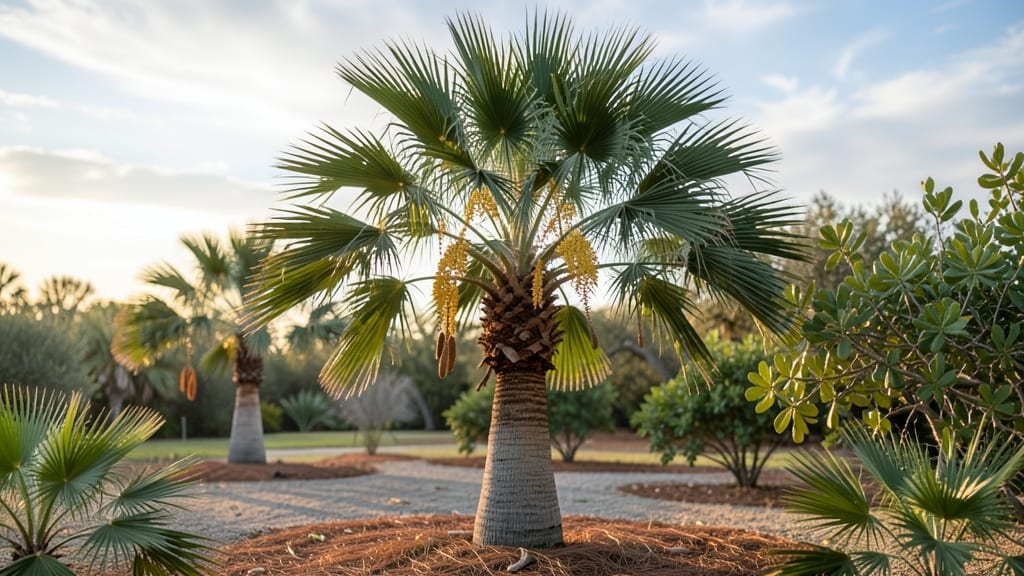
The Florida Botanical Garden features native and exotic plant collections, including iconic Florida species like royal palms and rare orchids, all arranged along thoughtfully designed trails that highlight both conservation efforts and breathtaking natural beauty. Standout attractions include the butterfly garden, cypress swamp trails, and specialized tropical plant displays that appeal to both casual visitors and serious botanists.
The Florida Botanical Garden isn't just a collection of plants—it's a living classroom where you can see rare Florida natives like sabal palms and firewheel trees growing alongside exotic imports such as bird-of-paradise and ginger lilies. 🌿 What makes this garden special is how it balances conservation with beauty, featuring protected species while offering stunning photo opportunities.
The butterfly garden alone hosts over 40 species during peak season, creating a magical experience for visitors of all ages.
Beyond the main attractions, the garden's hidden trails—like the cypress swamp boardwalk—offer serene escapes where you can spot alligators and rare swamp flora. Seasonal blooms transform the landscape, with orchid displays peaking in spring and wildflower meadows bursting with color in winter.
Pro tip: Visit on weekday mornings to avoid crowds and catch the rare tropical species in their most vibrant light.
💡 In This Article
- Native and Rare Florida Botanical Species Explained
- Best Hidden Trails and Seasonal Blooms Guide
Native and rare Florida botanical species explained
The Florida Botanical Garden serves as a living laboratory showcasing how Florida's unique climate—warm winters, high humidity, and sandy soils—creates ideal conditions for both native and exotic flora.
Take the sabal palm, Florida's state tree, which thrives in the garden's sandy loam soil with its fibrous root system extending up to 15 feet deep to access groundwater.
These palms grow 60-100 feet tall and produce 2-foot-long fruit clusters that attract wildlife like raccoons and birds, demonstrating their ecological importance.
Contrast this with the firewheel tree (Stenocarpus sinuatus), a native with striking orange flowers that bloom year-round in Florida's climate.
What's fascinating is how its nitrogen-fixing bacteria in root nodules allow it to grow in nutrient-poor soils, making it resilient against droughts that can last 4-6 months annually. 🌺 The garden also features exotic species like the bird-of-paradise, which requires full sun and well-draining soil—conditions carefully replicated in the garden's tropical sections where temperatures rarely drop below 50°F.
Conservation takes center stage with protected species like the ghost orchid (Dendrophylax lindenii), Florida's state wildflower, which grows epiphytically on cypress trees. These orchids are highly sensitive to light and humidity—the garden maintains 70-80% humidity in their display areas to mimic their natural swamp habitats.
Visitors often marvel at how these delicate white flowers appear almost translucent, a perfect adaptation to their shaded forest homes.
The garden's bromeliad collection—particularly the air plants—demonstrates another Florida adaptation. These plants absorb moisture through their leaves rather than roots, allowing them to survive in the garden's dry season when rainfall drops to 2-3 inches per month.
The ginger lilies in the tropical section showcase yet another adaptation: their rhizomatous growth spreads horizontally underground, creating dense colonies that stabilize soil and prevent erosion in Florida's frequent storms.
What most visitors don't realize is how these plants interact with Florida's wildlife. The sabal palm provides nesting sites for red-cockaded woodpeckers, while the firewheel tree attracts pollinators like hummingbirds with its high sugar nectar content.
The garden's butterfly garden specifically features host plants like passionflower to support 40+ butterfly species, creating a self-sustaining ecosystem that thrives year-round.
For plant enthusiasts, the garden offers educational signs detailing each species' growth rates, native ranges, and conservation status. For example, the Florida torreya (Torreya taxifolia), a critically endangered conifer, grows at a glacial pace—only 1-2 feet per decade—making the garden's mature specimens particularly valuable for genetic studies.
The contrast between fast-growing exotics and slow-growing natives highlights Florida's delicate ecological balance.