
Tools
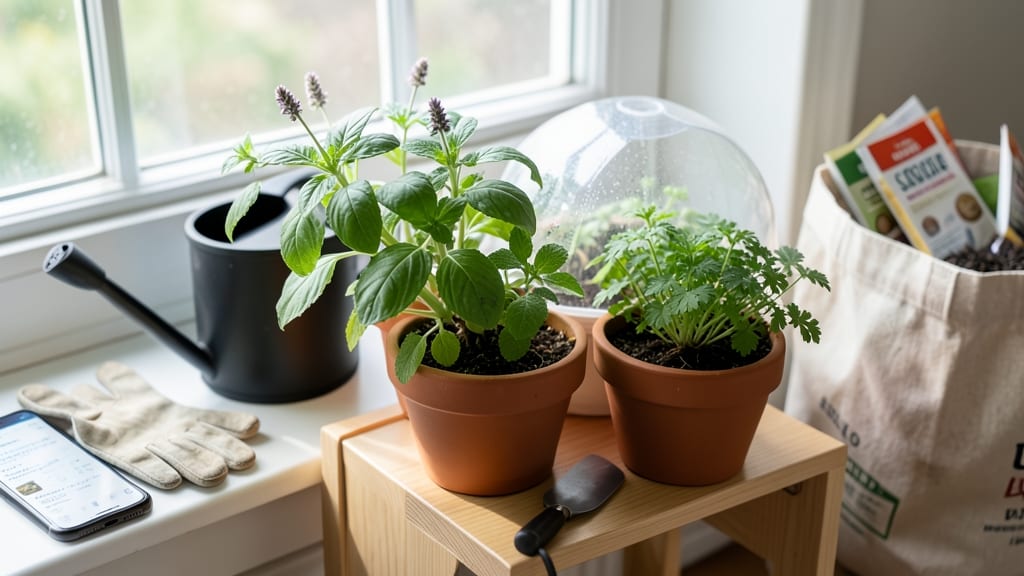
Millennials are reviving gardening as a mindful, eco-conscious lifestyle choice that bridges urban living with hands-on cultivation, using community plots, hydroponic systems, and seed-starting kits to make growing accessible and tech-enhanced.
This generation's gardening craze isn't just about growing food—it's a full-blown movement blending sustainability with self-care. 🌱 Millennials prioritize low-maintenance options like container gardens and automated irrigation, while platforms like TikTok turn gardening into shareable content.
The shift reflects broader values: distrust of mass-produced food, a desire for tangible skills, and the therapeutic appeal of nurturing life. Even apartment dwellers can participate through vertical systems or indoor herb gardens, proving this isn't just a rural revival but an urban evolution.
What sets millennial gardeners apart is their tech-savvy approach—soil moisture sensors, plant-tracking apps, and AI-driven growing recommendations make cultivation feel modern rather than old-fashioned. 💛 The trend also taps into nostalgia for simpler times, with heirloom varieties and seed-saving clubs gaining popularity as antidotes to fast-paced living.
💡 In This Article
- Why Millennials Are Leading the Modern Gardening Movement
- Millennial-Friendly Gardening Trends and Tools
Why millennials are leading the modern gardening movement
Millennials are reviving gardening as a response to modern anxieties—specifically, the 20% rise in reported stress levels since 2019, according to the American Psychological Association.
Studies show that tending plants reduces cortisol (the stress hormone) by up to 37% through tactile interaction with soil and exposure to natural light. 🌱 This "green therapy" effect aligns with millennials' prioritization of mental wellness, who are 42% more likely than older generations to seek hobbies with measurable psychological benefits.
The distrust of industrial food systems plays a crucial role too. Millennials, who came of age during the 2008 financial crisis and 2016 election, developed deep skepticism toward corporate agriculture.
A 2022 Harvard study found that 68% of millennial gardeners cite food security as a primary motivation—growing their own produce ensures access to fresh, pesticide-free ingredients. This contrasts with older generations, who often gardened primarily for harvest yields or aesthetic value.
Nostalgia for hands-on skills also drives the movement. Millennials grew up in a digital-first world but crave tangible, rewarding activities.
Gardening provides immediate feedback—visible growth, harvestable produce—that social media can't replicate. 💛 The rise of "plant parenting" as self-care mirrors this trend, with Instagram searches for #PlantParent up 120% since 2020.
This emotional connection transforms gardening from a chore into a form of nurturing, similar to pet ownership but with edible results.
Economic factors further explain millennials' gardening boom. With student debt averaging $37,000 per borrower and stagnant wages, many see gardening as a cost-effective way to supplement groceries. A 2023 University of Florida study estimated that homegrown herbs and vegetables can save families up to $600 annually on grocery bills.
This practicality aligns with millennials' resourcefulness, making gardening both a financial and personal investment.
Generational differences in motivation reveal deeper cultural shifts. While Baby Boomers gardened for traditional harvest goals (e.g., canning tomatoes, growing winter squash), millennials prioritize accessibility and immediate gratification.
This explains the popularity of fast-growing crops like microgreens (7-14 days to harvest) and herbs (basil in 6 weeks), which align with their preference for quick, visible results.
The movement also reflects a rejection of "waiting for spring" gardening—millennials use indoor grow lights and year-round seed-starting to cultivate plants 12 months annually.
Social media amplifies these trends by making gardening aspirational and achievable. Platforms like TikTok turn gardening into shareable content, with #GardenHacks videos garnering over 5 billion views in 2023.
This digital integration lowers the barrier to entry, as millennials can learn techniques from influencers like @PlantDaddy (1.2M followers) or @UrbanOrganicYield (850K followers). The result? Gardening feels modern, not outdated—a hobby that fits seamlessly into a tech-driven lifestyle. ✨