
Light Requirements
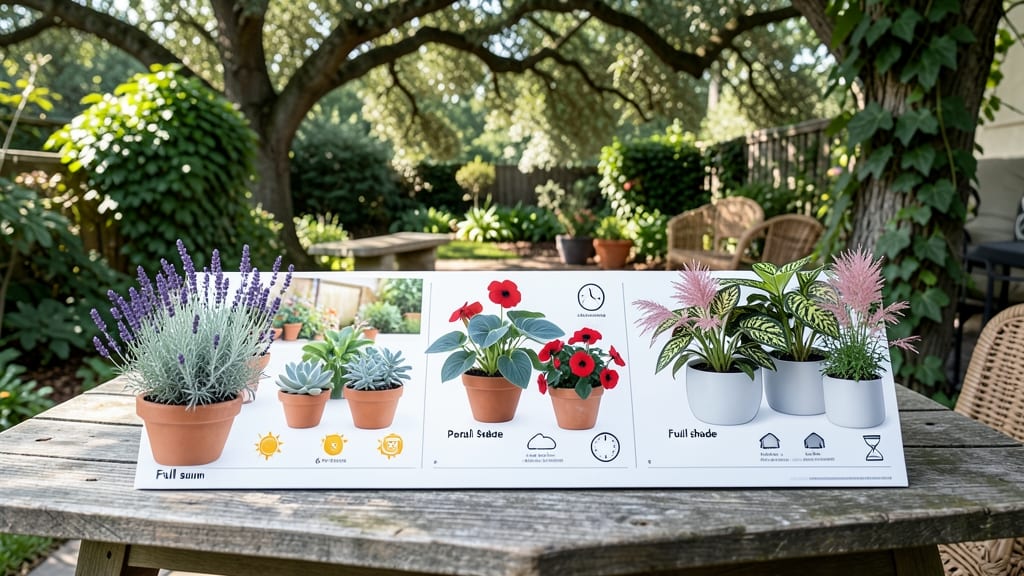
Gardens need varying amounts of sunlight depending on plant types, with most vegetables thriving in 6-8 hours of direct sun daily, flowering plants in 4-6 hours, and shade-loving plants in 2-4 hours. Partial shade options work well for areas with limited sun exposure.
Sunlight acts as the primary energy source for photosynthesis, which directly impacts plant growth and productivity. 🌿 For instance, leafy greens like lettuce and spinach can often tolerate less intense light, while tomatoes and peppers demand full sun exposure to develop flavor and yield fruit.
Understanding your garden's microclimates—where some areas get morning sun while others receive afternoon shade—can help you strategically place plants for optimal results.
Even within categories, there's flexibility. Some herbs like basil and rosemary thrive in full sun, while parsley and cilantro prefer partial shade. The key is observing how your plants respond over time and adjusting their placement accordingly.
In urban settings with limited space, vertical gardening with sun-loving plants can maximize exposure while using shade-tolerant varieties at the base.
💡 In This Article
- Sunlight Requirements by Plant Category
- Adjusting Garden Layout for Optimal Sunlight
Sunlight requirements by plant category
Sunlight drives photosynthesis, but different plants have evolved unique tolerances. Full sun plants like tomatoes and peppers need 6-8 hours of direct light daily to develop flavorful fruit and robust growth.
Their leaves contain high levels of chlorophyll that maximize energy capture, while their stems develop stronger vascular systems to transport nutrients. 🌞 For example, a tomato plant exposed to less than 6 hours of sun will produce smaller, less flavorful fruit and may even fail to set fruit entirely.
Flowering plants typically thrive with 4-6 hours of sunlight, as their energy goes toward producing blooms rather than heavy foliage. Annuals like marigolds and zinnias use sunlight to trigger flowering hormones, while perennials like coneflowers store energy in their roots for next season's growth.
Partial shade plants, such as hostas and impatiens, only need 2-4 hours of direct light because they've adapted to lower light conditions through slower growth rates and broader leaves that capture diffused light more efficiently.
The intensity of sunlight matters just as much as duration. Morning sun (before 10 AM) is gentler, while afternoon sun (after 2 PM) can scorch delicate leaves. This is why many partial shade plants prefer dappled sunlight—short bursts of light spread throughout the day.
For instance, ferns thrive under tree canopies where they receive filtered light, while vegetables like lettuce can bolt (go to seed prematurely) if exposed to too much intense afternoon heat.
Herbs offer a fascinating middle ground. Basil and oregano demand full sun to prevent leggy growth and maximize essential oil production, while parsley and chives grow well with 4-6 hours of light.
The difference lies in their native habitats: Mediterranean herbs evolved under bright, consistent sunlight, while woodland herbs adapted to forest understories where light is scattered. 🌿 This diversity means you can create layered garden beds where sun-loving herbs grow at the front and shade-tolerant varieties thrive at the back.
Trees present another dimension of sunlight needs. Fast-growing species like willows and poplars need full sun to reach their mature height, while fruit trees such as apples and cherries require 6-8 hours to produce quality fruit.
Shade trees like maples and beeches, however, can tolerate partial shade, though their growth rate slows significantly. The key is understanding how much sunlight young trees need versus mature ones—many fruit trees require full sun when young but can tolerate some afternoon shade as they age.
What most gardeners overlook is how sunlight affects soil temperature. Direct sun warms the soil faster, which can be crucial for seed germination. For example, beans and peas germinate best in soil temperatures above 60°F, while lettuce prefers cooler 50-65°F ranges.
This is why many gardeners use black plastic mulch in early spring—to raise soil temperatures quickly for heat-loving crops. Understanding these nuances lets you time your planting for optimal growth conditions.