
How To
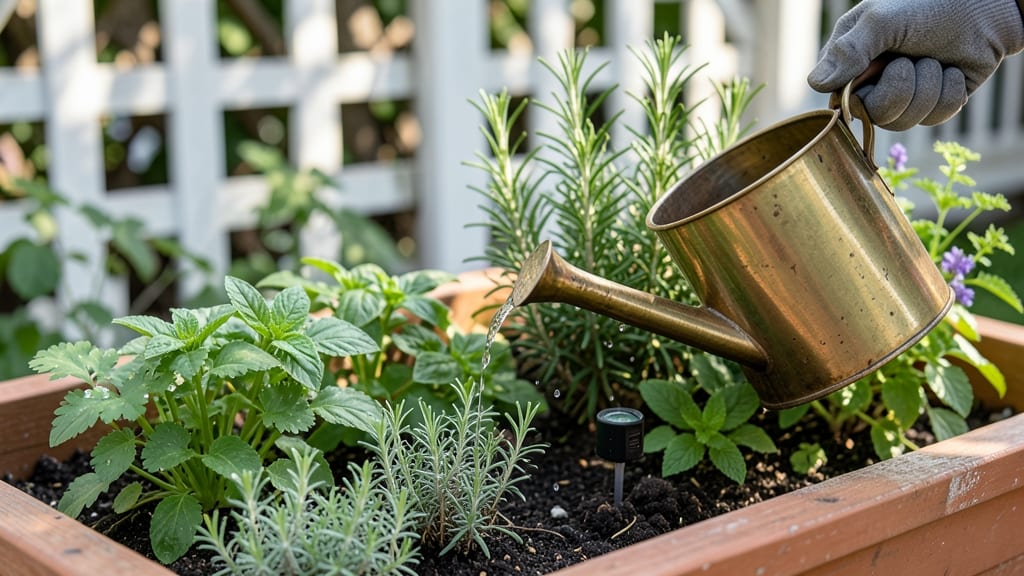
Watering your herb garden the right way keeps those 🌱 fresh and flavorful—most gardeners overdo it, turning their kitchen staples into sad, wilted relics.
Overwatering or underwatering your herb garden can turn your kitchen staples into sad, wilted relics—yet most gardeners get it wrong. The secret to lush herbs lies in mastering a simple soil-moisture test that keeps roots happy without drowning them.
Different herbs have different thirst levels: basil needs consistent moisture, while rosemary thrives on neglect. Climate, soil type, and whether your herbs are in pots or the ground all play a role in how often you should water.
In this guide, I’ll break down the perfect watering schedule for your herb garden, including how to check soil moisture, adjust for seasons, and spot signs of over- or underwatering before it’s too late.
The perfect watering schedule for different herb types (with soil test guide)
Herbs thrive on consistency, but their water needs vary wildly—basil begs for daily hydration while rosemary despises soggy roots. The key? A soil-moisture test that tells you exactly when to water, not just when you think you should.
I’ll break down the perfect watering schedule by herb category, plus how to use the finger test to avoid both drowning and dehydrating your plants.
Start by grouping your herbs into three broad categories: water-loving (like cilantro and parsley), moderate (basil, oregano, thyme), and drought-tolerant (rosemary, sage, lavender). Each group has distinct watering needs, but they all share one rule: never water on a schedule—always check the soil first.
Overwatering is the #1 killer of herb gardens, and it’s easier to fix than you think.
Here’s how to test soil moisture: Stick your finger about 1 inch deep into the soil. If it feels dry, water thoroughly. If it’s damp, wait another day. For container gardens, lift the pot—if it’s light, it’s dry. Pro tip: Use a moisture meter for precision, especially in hot climates where evaporation speeds up.
| Herb Type | Water Frequency | Soil Depth Check | Signs of Overwatering | Signs of Underwatering |
|---|---|---|---|---|
| Water-Loving (Cilantro, Parsley, Dill) | Every 1–2 days | 1–2 inches deep | Yellowing leaves, mold | Wilting, crispy edges |
| Moderate (Basil, Oregano, Thyme) | Every 2–3 days | 1 inch deep | Stunted growth, root rot | Drooping leaves, slow growth |
| Drought-Tolerant (Rosemary, Sage, Lavender) | Every 5–7 days | 2–3 inches deep | Blackened stems, mushy leaves | Brittle stems, grayish leaves |
| All Herbs (Winter) | Every 7–10 days | 2–3 inches deep | Fungal spots, slow recovery | Dormant but crispy |
For water-loving herbs like cilantro and parsley, aim for consistently moist soil—think of a wrung-out sponge. These herbs bolt (go to seed) quickly when stressed, so keep them evenly hydrated.
Water in the morning to let foliage dry before nightfall, reducing fungal risks. If your cilantro tastes bitter, it’s a sign of stress—either too much sun or uneven watering.
Moderate herbs like basil and thyme need a balance. Let the top 1 inch of soil dry out between waterings. Basil, especially, hates soggy roots—it’ll turn yellow and mushy if overwatered. A trick I use? Place a drip tray under containers to catch excess water, and never let them sit in saucers of standing water. Thyme, on the other hand, thrives in slightly drier conditions and can handle a few skipped waterings.
Drought-tolerant herbs like rosemary and sage are the low-maintenance stars of the herb garden. They store water in their woody stems, so water deeply but infrequently. Let the soil dry out completely between waterings—2–3 inches deep.
Overwatering these herbs causes root rot, which spreads fast. If your rosemary’s leaves turn black, it’s a red flag—cut back the damaged stems and reduce watering immediately.
Seasonal adjustments are critical. In summer, herbs dry out faster—check soil moisture daily and water earlier in the day to prevent evaporation. In winter, reduce watering to once a week or less, as growth slows.
A mulch layer (like straw) helps retain moisture and regulate soil temperature. For container gardens, water more frequently since pots dry out quicker, but always check the soil before watering.
Watch for these warning signs: Yellowing leaves? Overwatering. Crispy edges? Underwatering. Drooping stems? Both could be the culprit—check the soil first. Mold or white fuzz on leaves means fungal issues from overwatering or poor airflow.
Prune affected leaves immediately and space plants to improve circulation. If your herbs taste bland or woody, inconsistent watering is often the root cause—herbs like basil and cilantro need steady moisture to develop
Common mistakes that kill herb gardens (and how to fix them)
Even the most enthusiastic herb gardeners make costly watering mistakes that turn thriving plants into crispy relics. The biggest culprit? inconsistent moisture—whether from overzealous watering or neglect.
I’ve watched basil bolt to flower and thyme shrivel just because the schedule wasn’t consistent. The fix starts with understanding your herbs’ root zone needs and environmental stressors.
Another silent killer is poor soil drainage. Many gardeners assume all herbs love "moist" soil, but rosemary and oregano actually despise soggy roots. I’ve seen containers overflowing with water while roots suffocate—just because the gardener didn’t check the drainage holes.
Even well-draining potting mix can compact over time, trapping moisture. The solution? Test your soil’s drainage by pouring water into a container—if it pools after 30 minutes, your herbs are drowning.
🚨 Watering Warning: The 1-2 Inch Rule
Most herb gardens fail because gardeners guess instead of measure. Here’s how to water correctly:
- Check depth: Stick your finger 1-2 inches into soil. If dry, water.
- Morning only: Water before 10 AM to prevent fungal growth.
- Container fix: Smaller pots dry faster—water daily in summer if soil is bone-dry.
- Signs of stress: Yellow leaves = overwatering; crispy edges = underwatering.
Pro Tip: Use a moisture meter for accuracy—herbs hate "sometimes wet, sometimes dry" soil.
Environmental factors like intense sunlight and dry winds accelerate evaporation, making herbs thirstier. I’ve seen cilantro bolt in hours on a hot afternoon because the gardener didn’t adjust for the heat. The fix? Move potted herbs to partial shade during peak sun (12–3 PM) in summer, or use mulch to retain moisture. Even a 2-inch layer of straw around your herbs can cut water needs by 30%.
Let’s talk container materials, because terracotta and plastic behave differently. Terracotta wicks moisture faster—great for drought-tolerant herbs like rosemary—but requires daily checks in summer. Plastic, meanwhile, holds moisture longer, risking root rot if you’re not careful.
My mint in a plastic pot needed watering every other day, while the same plant in terracotta dried out by noon. Always match your container to the herb’s needs.
One mistake I see often is ignoring seasonal changes. Herbs in summer heat need watering every 1–2 days, while winter slows growth—cutting water to once a week prevents rot. I once overwatered my parsley in December, thinking it needed the same care as summer.
The result? Mushy stems and a sad, soggy plant. Always adjust your watering schedule with the seasons.
Finally, over-fertilizing throws off moisture balance. Too many nutrients = softer leaves that absorb water faster and invite pests. I’ve seen basil wilt dramatically after a heavy feeding because the roots couldn’t handle the sudden growth surge.
Stick to a balanced 5-10-5 fertilizer every 6–8 weeks during growing season, and always water before fertilizing to avoid root burn.