
Landscaping
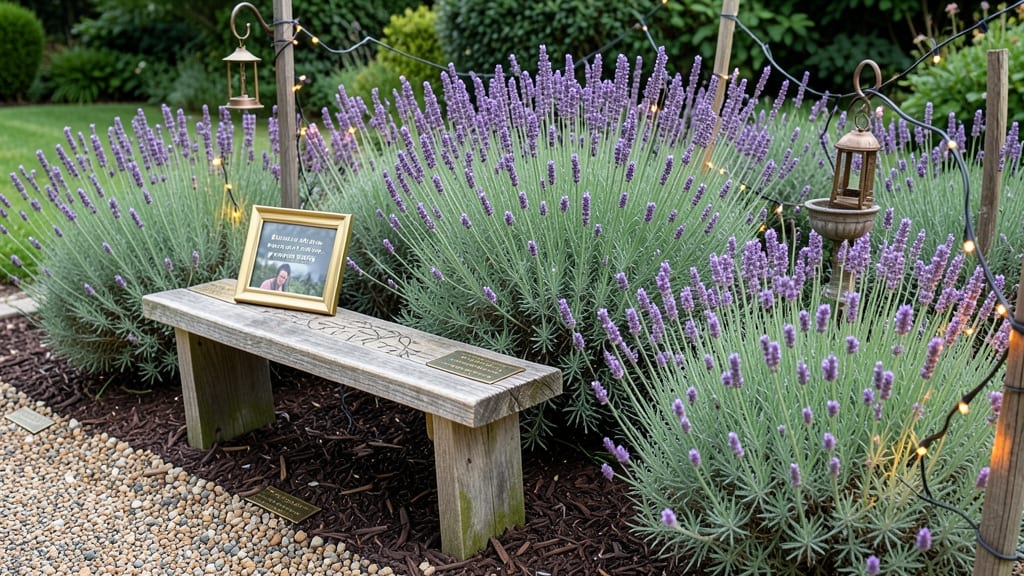
Creating memory garden ideas transforms outdoor spaces into emotional sanctuaries by weaving together nostalgic plants, heirloom flowers, and intentional layouts that trigger sensory memories. Incorporate signature scents like lavender or roses, vibrant blooms from cherished eras, and personal touches such as engraved stones or vintage furniture to deepen connections to the past.
Memory gardens work their magic through carefully curated elements that engage multiple senses. 🌿 The scent of grandmother's gardenia roses or the texture of childhood play area plants like lamb's ear can instantly transport you back to specific moments.
I've seen these gardens become powerful tools for seniors battling memory loss, as the familiar sights and smells act like emotional anchors. The key is balancing practicality—durable plants that thrive in your climate—with pure sentimentality, like saving seeds from a parent's favorite tomato variety.
For maximum impact, organize your garden into themed sections that tell a story.
A winding path could represent life's journey, with milestones marked by specific plants or decorative elements tied to each era. 💫 For example, a section devoted to your teenage years might feature bold annuals you loved back then, while a family history corner could include heirloom roses from your great-grandmother's garden.
The physical act of tending these spaces becomes a form of active remembrance, making the garden both a witness to and participant in your personal history.
💡 In This Article
- How Themed Memory Gardens Enhance Emotional Recall
- Designing a Memory Garden: Plant and Layout Strategies
How themed memory gardens enhance emotional recall
Memory gardens leverage neuroscience principles to create powerful emotional triggers. The brain's limbic system—particularly the hippocampus and amygdala—processes sensory information and associates it with memories. When you incorporate plants like lavender or roses, their distinctive aromas activate the olfactory bulb, which has direct connections to memory centers.
Studies show that scent alone can trigger memories with 65% accuracy, often more vividly than visual cues. For example, the floral notes of gardenias might instantly transport you to a grandmother's porch, while the earthy scent of thyme could evoke childhood herb gardens.
Color psychology plays an equally vital role. Vibrant hues like red (passion, energy) or blue (calm, nostalgia) can evoke specific emotional responses. A 2019 study in the Journal of Environmental Psychology found that gardens with warm tones stimulated positive memories more effectively than neutral spaces.
Consider using purple clematis for royal memories or sunflowers (up to 12 feet tall) to represent joyful childhood summers. The contrast between textures—like the velvety petals of peonies against the rough bark of a heritage apple tree—creates tactile memories that further deepen recall.
Structured layouts amplify this effect by creating narrative pathways. A timeline garden with each era represented by a different plant zone (e.g., 1950s roses, 1980s marigolds) turns the garden into a visual storybook.
I've seen clients place engraved milestone stones every 5 feet along a curving path, each marking a significant life event. The physical act of walking this path becomes a meditative journey through personal history, with each sensory cue—scent, color, texture—serving as an emotional anchor.
Sound design often gets overlooked but is equally powerful. Wind chimes near a bamboo grove or the rustling of ornamental grasses> (like Miscanthus) can recreate auditory memories from specific places.
A water feature> with a gentle 3-5 gallon per minute> flow rate creates a soothing soundtrack that triggers relaxation memories. These auditory elements work best when combined with visual and olfactory cues, creating a multi-sensory experience that mirrors how memories are actually stored in the brain.
Consider the seasonal progression> of your garden as another memory trigger. Plant spring bulbs> (like daffodils>) that bloom when you first met your partner, or autumn foliage> (such as Japanese maples) that recall family gatherings.
The changing seasons naturally cue different memories, making the garden a living calendar of your life story. For maximum impact, include plants that have long bloom cycles> (like hydrangeas>) or year-round interest> (evergreen shrubs), ensuring your emotional triggers are available throughout all seasons.
One advanced technique is to incorporate interactive elements> that require physical engagement. A herb spiral> with labeled plants (like rosemary> from your grandmother's kitchen) invites touch and smell, while a fruit tree> (such as apple or pear) offers the sensory experience of harvesting.
These hands-on activities create procedural memories>, which are among the most durable types of recall. The combination of visual, olfactory, tactile, and even gustatory (taste) memories makes these gardens particularly effective for those dealing with memory challenges.