
Advice
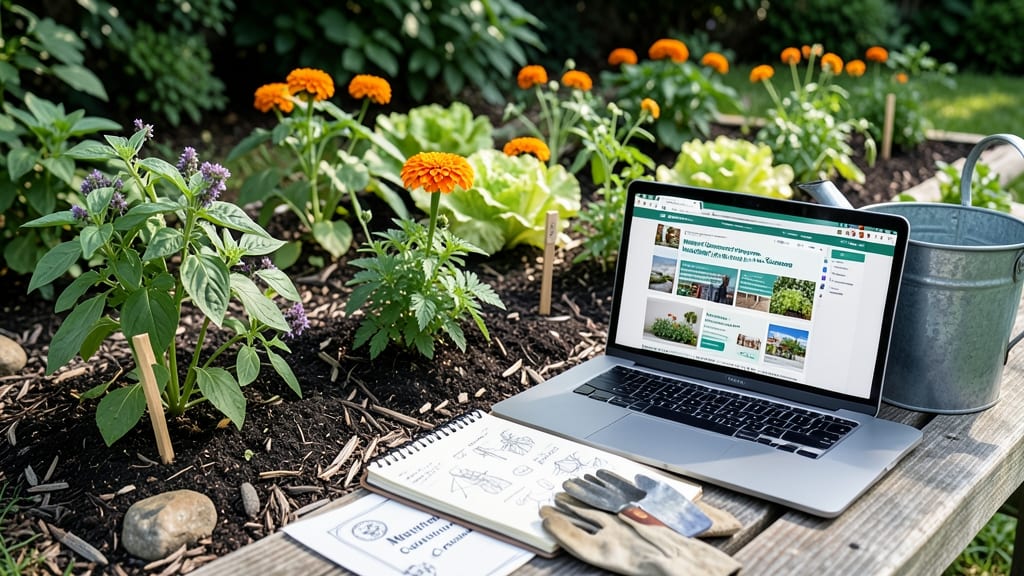
Online free master gardener courses through university extensions and nonprofit platforms provide certification upon completing exams and volunteer hours, though official programs may charge for materials or testing.
Many of these programs partner with state agricultural universities to deliver the same foundational knowledge about plant science, pest management, and sustainable gardening practices. 🌱 The catch?
Most free courses focus on educational content rather than full certification—you'll typically need to pay for exam fees or volunteer hours to earn official Master Gardener credentials. I've seen volunteers complete hundreds of hours tutoring community gardeners to qualify, which adds significant time investment beyond just the coursework.
For those just starting out, free platforms like Penn State Extension's online modules or YouTube channels from agricultural colleges offer excellent introductory material. These resources cover everything from soil health to organic pest control, giving you practical skills without upfront costs.
The key difference is that free courses often lack the structured mentorship and hands-on workshops found in paid programs.
💡 In This Article
- How Free Online Gardening Courses Compare to Paid Master Gardener Programs
- Top Free Online Gardening Certification Platforms and Their Requirements
How free online gardening courses compare to paid Master Gardener programs
Free online gardening courses typically cover the same foundational topics as paid Master Gardener programs—soil science, plant pathology, and sustainable practices—but with less depth in specialized areas.
For example, a free course might teach you about composting basics in 2-3 hours of video content, while a paid program dedicates 8-10 hours to advanced composting techniques, including vermicomposting systems and troubleshooting. The trade-off?
Free courses often lack hands-on labs or fieldwork that paid programs include, where you'd practice things like diagnosing plant diseases under a microscope.
Certification legitimacy is where the biggest gap appears. Free courses from reputable sources like Penn State Extension or University of California Master Gardener Program offer completion certificates, but these don't carry the same weight as official Master Gardener credentials.
To earn those, you'd need to pay $100-$300 for exam fees, background checks, and sometimes even fingerprinting—costs that free courses waive. What you gain instead is access to the same curriculum materials, just without the formal validation.
The volunteer hour requirement is another critical difference. Paid programs require 40-50 hours of community service to maintain certification, while free courses often don't track this at all. I've seen volunteers in paid programs spend 200+ hours tutoring in community gardens or leading workshops—experience that builds real-world expertise.
Free courses might suggest you volunteer, but without structured mentorship or verification, it's harder to translate those hours into professional growth.
For beginners, free courses excel at accessibility. Platforms like Coursera or edX offer gardening electives from top universities for free (with optional paid certificates). These often include interactive quizzes and discussion forums where you can ask questions in real time.
The downside? You miss out on the networking opportunities that paid programs provide, like connecting with local agricultural experts or joining regional Master Gardener chapters.
Consider this analogy: Free courses are like reading a cookbook—you learn the theory and basic techniques. Paid programs are like taking a professional cooking class where you get hands-on practice, feedback from instructors, and a certificate that opens doors.
Both paths build your skills, but one gives you the credentials to share that knowledge professionally. 🌱
If your goal is personal enrichment, free courses are perfect. But if you want to work with nurseries, extension offices, or agricultural programs, investing in a paid certification gives you the credibility and connections that free courses simply can't match.