
Plants
Colorado Springs' garden zone includes USDA Zones 5b and 6a as its core, but elevation shifts create microclimates spanning 5a to 7a. Areas like Manitou Springs (higher elevation) lean toward Zone 5, while lower elevations near Fountain may reach Zone 6. Always verify your specific location's frost dates and sun exposure for accurate planting timing.
Understanding Colorado Springs' garden zones means recognizing how elevation dramatically alters growing conditions.
The city's varied terrain—from Pikes Peak's chilly slopes to urban heat islands near downtown—creates temperature shifts of up to 10°F between neighborhoods. 🌿 For example, Manitou Springs (7,000 ft) experiences last frost dates around May 15, while Fountain (5,700 ft) typically warms up by April 20.
This variation explains why some gardeners in the same city can successfully grow Zone 5 plants while others thrive with Zone 6 varieties.
These microclimates aren't just theoretical—they directly impact what you can plant. High-altitude areas benefit from cold-hardy perennials like Russian sage and coneflowers, while lower elevations can handle heat-loving annuals such as zinnias and basil.
Container gardening becomes especially valuable in urban heat pockets, where soil temperatures can rise 10-15°F hotter than surrounding areas.
💡 In This Article
- How Elevation Affects Colorado Springs Plant Hardiness Zones
- Best Plants for Colorado Springs’ Mixed Garden Zones
How elevation affects Colorado Springs plant hardiness zones
Colorado Springs' dramatic elevation changes create a natural temperature gradient that directly impacts plant hardiness. The general rule is that temperatures drop about 3.5°F for every 1,000 feet gained in elevation.
This explains why Manitou Springs at 7,000 feet experiences Zone 5 conditions while Fountain at 5,700 feet leans toward Zone 6. The city's highest point, Pikes Peak (14,115 ft), would theoretically push zones into the 2-3 range if it weren't for its extreme altitude making it unsuitable for most gardening.
The USDA zone map accounts for average annual minimum temperatures, but Colorado Springs' terrain creates 10-15°F variations between neighborhoods. For example, Palmer Park (5,800 ft) typically sees last spring frosts around April 25, while Garden of the Gods (6,400 ft) often waits until May 10.
These shifts mean gardeners in the same postal code might need to adjust planting times by 2-3 weeks. The urban heat island effect adds another layer, with downtown areas potentially reaching Zone 7a conditions during summer months.
Cold snaps pose another challenge in Colorado Springs' mixed zones. Even in Zone 6a areas, unexpected dips below 0°F can occur, risking damage to plants rated for Zone 6. High-altitude gardens face different threats: late-season frosts after May 15 can catch tender plants off guard.
The key is monitoring local weather patterns—Colorado Springs' National Weather Service provides frost date forecasts that help gardeners time sensitive plantings like tomatoes and peppers.
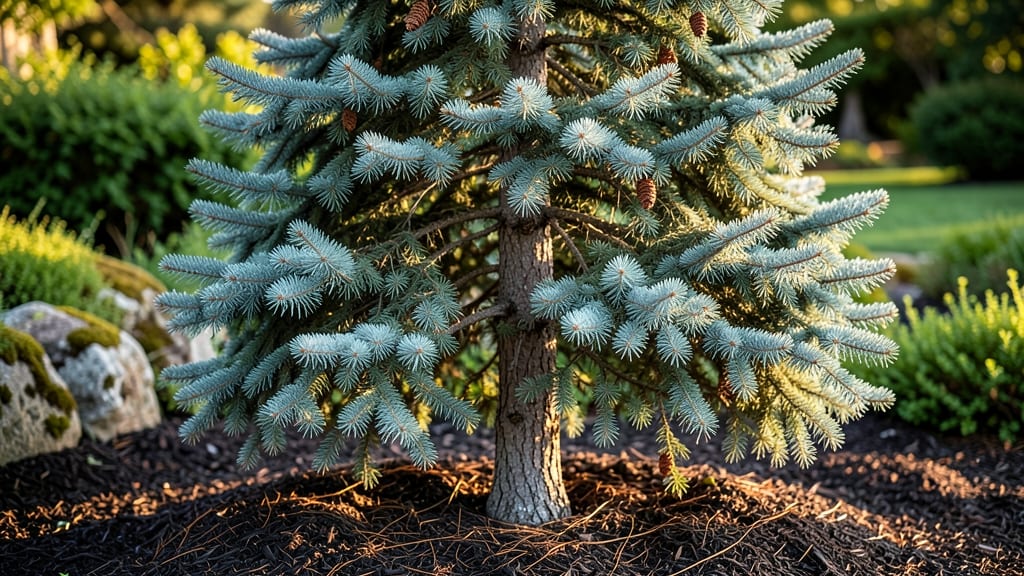
Understanding these elevation-driven patterns helps explain why some plants thrive in one neighborhood but struggle just a few miles away. For instance, Colorado blue spruce handles Zone 5 conditions but may show winter burn in Zone 6a areas without proper winter care.
The solution often lies in microclimate-specific adjustments: using windbreaks in exposed high-altitude gardens or choosing heat-tolerant varieties for urban heat pockets.
Soil temperature adds another dimension to this elevation puzzle. At higher elevations, soil warms more slowly in spring, delaying planting by 2-4 weeks compared to lower areas.
Gardeners can work with this by using black plastic mulch to raise soil temperatures 5-10°F faster or selecting cold-tolerant varieties that germinate at 45-50°F rather than waiting for 60°F soil.
For precise planning, consider these elevation-based guidelines:
- Below 5,800 ft: Zone 6a/7a - Longer growing seasons, earlier planting
- 5,800-6,500 ft: Zone 5b/6a - Standard transition zone with moderate risks
- Above 6,500 ft: Zone 5a - Shorter seasons, later planting dates
This elevation-driven approach transforms Colorado Springs' gardening challenges into opportunities for creating layered, resilient landscapes that take advantage of the city's diverse microclimates. 🌱