
Vegetables
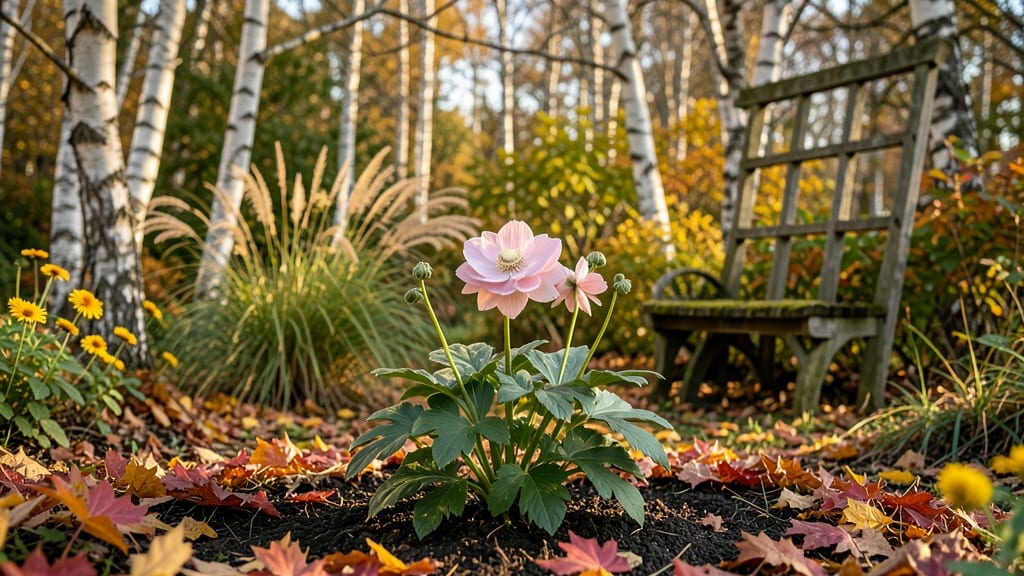
Longwood Gardens in September offers breathtaking autumn displays, including vibrant foliage, the iconic Water Garden’s seasonal light shows, and the Harvest Festival’s pumpkin exhibits alongside stunning orchid collections. The mild September weather creates perfect conditions for exploring the fountains and conservatories.
September is when Longwood Gardens truly shines with its autumn foliage transformation, turning the gardens into a painter's palette of fiery reds, oranges, and golds. 🍂 The secret lies in the garden's carefully curated plantings, where species like sugar maples and Japanese maples reach their peak color intensity during this month.
Unlike spring blooms, which are fleeting, autumn foliage lasts for weeks, giving visitors more time to enjoy the stunning displays. The cooler temperatures also create ideal conditions for exploring the expansive grounds without the summer heat.
Beyond the foliage, September brings unique seasonal events like the Harvest Festival, featuring pumpkin displays and orchid exhibits that showcase the garden's diverse plant collections. The iconic Water Garden also comes alive with evening light shows that transform the fountains into a mesmerizing spectacle.
For those who prefer quieter experiences, the conservatories offer a tropical escape with their year-round orchid collections, making September an ideal time to visit before winter arrives.
💡 In This Article
- Why September Is Peak Season for Longwood Gardens’ Autumn Colors
- Must-See September Events and Hidden Garden Gems
Why September is peak season for Longwood gardens’ autumn colors
September’s foliage explosion at Longwood Gardens isn’t just coincidence—it’s a carefully orchestrated botanical performance. The gardens’ 1,067 acres include over 10,000 plant species, with 450+ varieties of trees specifically chosen for their autumn color displays.
The science behind this transformation lies in chlorophyll breakdown: as daylight shortens and temperatures dip into the 50-60°F range, trees like sugar maples and red oaks stop producing chlorophyll, revealing the hidden pigments—anthocyanins (reds), carotenoids (oranges), and xanthophylls (yellows)—that create the vibrant palette. 🍁
What makes September unique is the perfect balance of temperature and moisture. Unlike spring blooms, which depend on warm weather, autumn colors thrive when nights stay cool (45°F) while days remain mild (70°F).
Longwood’s horticulturists strategically planted Japanese maples (like the rare 'Bloodgood' variety) and dogwoods in high-visibility areas, knowing these species peak in early-to-mid September. The garden’s 100+ fountains also play a role—water mist helps preserve leaf moisture, extending the color display by 3-4 weeks compared to drier gardens.
The visual impact is amplified by Longwood’s layered planting design. Instead of isolated trees, they group species with complementary colors—think red maples beside golden ginkgos—creating a dynamic "color wave" as you walk through the gardens.
This technique, borrowed from traditional Japanese landscape design, ensures every path offers a new visual experience. 🌿 What most visitors miss is how the garden’s elevated walkways (like the 1,200-foot-long Grand Fountain Walkway) position you to see foliage from multiple angles, maximizing the three-dimensional effect of the colors.
Comparing seasons reveals why autumn stands out: spring blooms last only 2-3 weeks per species, while fall colors persist for 6-8 weeks at Longwood. The garden’s conservatory collections also play a supporting role—tropical plants like orchids and bromeliads provide contrast against the fiery outdoors, creating a year-round visual harmony.
Even the Italian Water Fountain’s seasonal displays (with 1,000+ jets) sync with the foliage timing, using colored lights to reflect the garden’s natural palette.
For those who love rare specimens, September is prime time to spot Longwood’s heirloom tree collection, including a 200-year-old white oak and a 150-year-old tulip tree—both of which develop stunning autumn hues.
The garden’s nighttime light displays (like the Water Garden’s "Reflections" show) use LED technology with 500+ projectors to highlight the foliage’s colors after dark, creating a magical extension of the daytime experience. 💫
The real secret? Longwood’s soil management program. The gardens use a low-phosphorus fertilizer blend that enhances anthocyanin production in maples and oaks, while their drip irrigation system delivers 12,000 gallons of water daily during peak color season—just enough to keep leaves hydrated without diluting the pigments.
This precision agriculture is what turns a good autumn display into a world-class spectacle.