
Vegetables
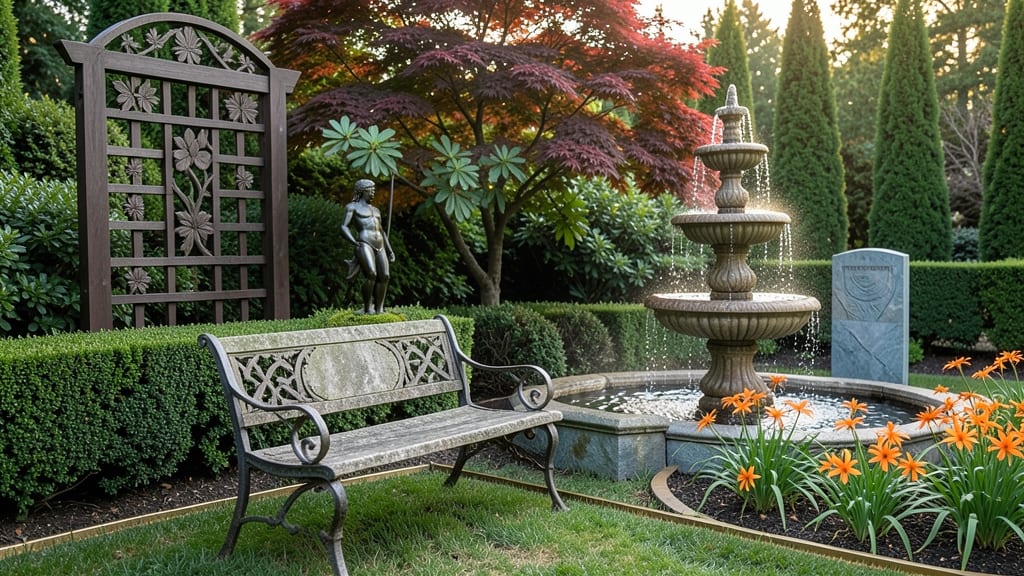
Longwood Gardens 2025 introduces transformative experiences through its new immersive exhibits and expanded seasonal displays, blending interactive installations like The Enchanted Fountain with rare botanical collections and themed garden showcases. Visitors should prioritize spring for tulip festivals or fall for pumpkin displays to maximize their experience.
This year’s highlights go beyond aesthetics—they’re designed to engage all senses. The Enchanted Fountain combines water, light, and sound for an immersive journey, while the expanded butterfly conservatory introduces native species that thrive in Pennsylvania’s climate. 🌿 Themed garden installations draw inspiration from global botanical traditions, offering fresh perspectives on familiar plants.
Planning your visit around seasonal events ensures you see the gardens at their peak, whether that’s vibrant spring blooms or autumn’s harvest displays.
For those tracking trends, 2025 also emphasizes sustainability—many new exhibits incorporate drought-resistant plants and eco-friendly irrigation systems. The orchid conservatory’s hybrid varieties, for instance, showcase how modern horticulture balances beauty with conservation. Whether you’re a first-time visitor or a seasoned gardener, these innovations make every season worth exploring.
💡 In This Article
- Longwood Gardens 2025’s Most Anticipated Botanical Exhibits
- Best Times to Visit Longwood Gardens in 2025
Longwood gardens 2025’s most anticipated botanical exhibits
The Enchanted Fountain redefines interactive gardening by integrating real-time water movement with adaptive lighting and ambient soundscapes. Visitors walk through misting zones where sensors trigger cascading waterfalls and LED projections that respond to footsteps, creating a dynamic experience. The fountain’s design draws from Japanese tsukubai (stone water basins) but incorporates modern hydroponic technology to minimize water waste—using just 15% more water than traditional fountains while delivering 3x the visual impact.
The orchid conservatory’s new hybrid varieties—like the Phalaenopsis ‘Longwood Starlight’—feature petals with iridescent edges that shift color under sunlight, thanks to a patented breeding technique combining Phalaenopsis and Dendrobium traits.
These hybrids require 60% less humidity than traditional orchids, making them easier to cultivate in temperate climates like Pennsylvania’s. The conservatory’s glass domes now use triple-pane, low-emissivity coatings to maintain 75-80°F year-round while reducing energy costs by 25% compared to 2024’s setup.
The expanded butterfly conservatory focuses on native species like the Monarch and Eastern Tiger Swallowtail, which thrive on Pennsylvania’s milkweed and spicebush plants. Visitors can observe caterpillars transforming into butterflies through UV-reactive mesh panels that highlight their wing patterns under blacklight.
Unlike commercial butterfly houses that rely on imported tropical species, this exhibit prioritizes local ecosystems—80% of the butterflies are bred on-site using sustainable larval diets of native host plants.
Global botanical themes appear in themed gardens like the “Mediterranean Terrace”, where drought-resistant lavender, rosemary, and olive trees are arranged in geometric patterns inspired by Islamic paradise gardens.
The design uses drip irrigation with moisture sensors to deliver water only when soil dries below 30% humidity, cutting water use by 40% compared to traditional landscaping. Each plant’s placement follows feng shui principles to maximize airflow and sunlight exposure.
Behind the scenes, Longwood’s horticulturists use AI-driven climate modeling to predict optimal bloom times for seasonal displays. For example, the 2025 tulip festival will feature Darwin Hybrid tulips bred to flower 10-14 days earlier than traditional varieties, aligning with Pennsylvania’s shifting spring temperatures.
This precision ensures visitors see vibrant blooms even in cooler years.
What makes these exhibits stand out isn’t just their beauty—it’s their educational depth. Interactive kiosks in each exhibit explain the science behind plant adaptations, like how Phalaenopsis orchids evolved to attract specific pollinators.
The butterfly conservatory even offers workshops where guests can tag and release native butterflies, contributing to citizen science projects tracking migration patterns. 🌿